Unlock the Editor’s Digest for free
Roula Khalaf, Editor of the FT, selects her favourite stories in this weekly newsletter.
Israeli officials are preparing for an extended campaign against the Lebanese militant group Hizbollah that is likely to continue beyond the end of the war against Iran, according to people briefed on the discussions.
Israeli officials said last week that they expect the US-Israeli war with Iran to last “weeks”, as they attempt to destroy Tehran’s nuclear and ballistic missile capabilities as well as the main security pillars holding up the Islamic republic.
However, US President Donald Trump appeared to hedge his view in one of his many public comments on Monday, saying that the war was ahead of schedule and “very complete, pretty much”.
People briefed on planning said the Israeli offensive against Hizbollah — which was launched after the Iran-backed group fired rockets into northern Israel last week — would last at least as long as the onslaught against Iran and could even continue after any ceasefire with Tehran.
“[The goal is] to inflict enough damage [on Hizbollah so] that there is not this constant fear of having to evacuate the northern residents,” one of the people said, referring to Israeli communities evacuated in previous rounds of fighting with Hizbollah.
An Arab diplomat said the message on timing had been relayed to countries in the region. “The Israelis are preparing international players for the prospect that the war with Hizbollah could drag on and last longer than the war with Iran,” the diplomat said.
There have also been diplomatic efforts to prevent a broader Israeli operation, with France offering to help disarm Hizbollah, according to a person briefed on the matter, and Lebanese officials saying publicly that they would be open to direct talks with Israel.

Israeli officials had been discussing a renewed offensive against Hizbollah even before the launch of the US-Israeli attack on Iran, according to a person briefed on the operation.
Israel launched a full-scale war in Lebanon in October 2024. That followed a year of cross-border fire between the two foes, which began when Hizbollah launched rockets at Israel in the wake of Hamas’s October 2023 attack from Gaza.
A US-brokered ceasefire nominally ended the fighting, but Israel continued near-daily strikes on Hizbollah, arguing that the group’s disarmament — which Israel, the US and the Lebanese government expected as part of the agreement but which Hizbollah never expressly agreed to — was not proceeding quickly enough.
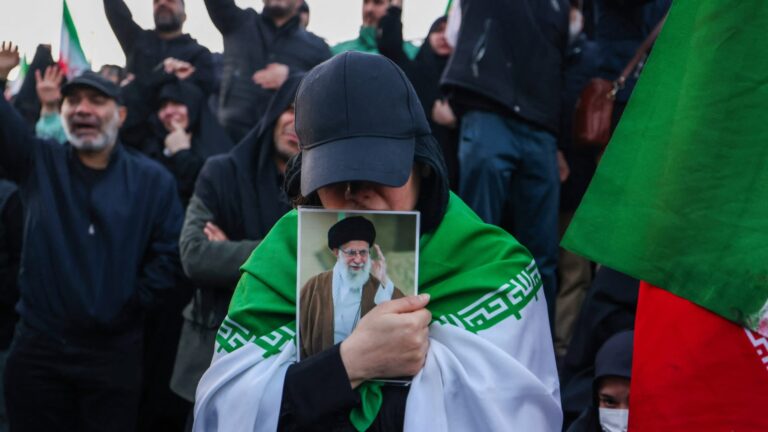
The hostilities escalated again last week, with Israel launching a broader assault on Hizbollah after it fired rockets and drones at Israel in retaliation for Israel’s killing of Iran’s supreme leader, Ayatollah Ali Khamenei.
“Hizbollah made a severe mistake,” said one Israeli military official.
Since then, Israeli forces have hit more than 600 sites across Lebanon, with most strikes targeting the country’s south and Beirut’s densely populated southern suburbs where Hizbollah holds sway. It has triggered the biggest evacuation of Lebanese civilians since the end of the 2024 war.
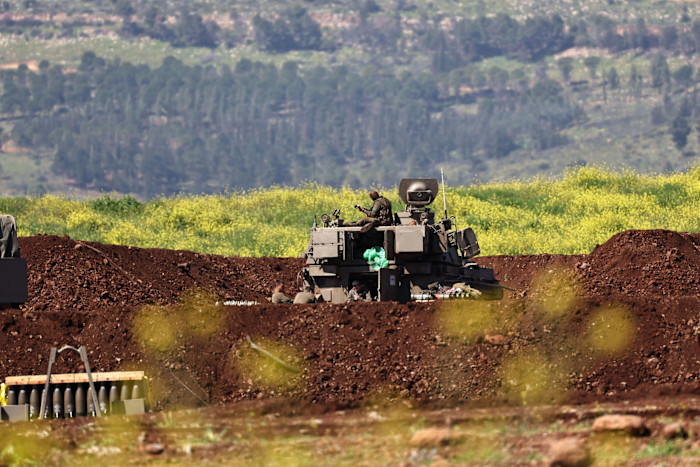
Israel kept troops in at least five positions just inside Lebanese territory after the 2024 ceasefire. It has deployed additional forces to Lebanon and now holds at least a dozen outposts across the narrow band of the frontier, according to two people familiar with the matter.
Israeli officials maintain this was a defensive move to pre-empt any attempts by Hizbollah to fire directly on northern Israeli communities or launch cross-border raids.
Despite mobilising tens of thousands of reservists, the Israeli army has not yet pushed further northward into the second and third line of Lebanese border villages, as they did during the 2024 ground offensive.
Complicating matters is the intensity of the ongoing full-scale war against Iran. “Most of the air assets are being used on that front,” said an Israeli security official.
But Israeli forces have mounted several raids deeper in Lebanese territory, including one in the south on Sunday night and an airborne operation in the east of the country on Friday that the military said was aimed at finding information about an Israeli airman missing since the 1980s.
Two people familiar with the situation said there had also been discussions on sending Israeli troops to the Bekaa Valley, parts of which are regarded as a Hizbollah stronghold. One of the people said no decision had been taken.
UNIFIL said it had observed military operations in multiple locations in southern Lebanon, and a person familiar with the Israeli army’s movements said they had seen Israeli troops conducting engineering work in several positions at least 1km into Lebanese territory. This could indicate Israel was planning to hold these positions, the person said.
Lebanon’s army has withdrawn from nearly all of its positions along the so-called Blue Line in southern Lebanon, according to two people familiar with the movements. Residents of three villages told the FT they had seen convoys of military personnel vacating their posts near IDF positions inside Lebanon.
The head of the Israeli military, Eyal Zamir, told commanders on Sunday that the operation would require “patience”. “This will take considerable time, you must be prepared for that, and however long it takes, it will take,” he said.
About The Author