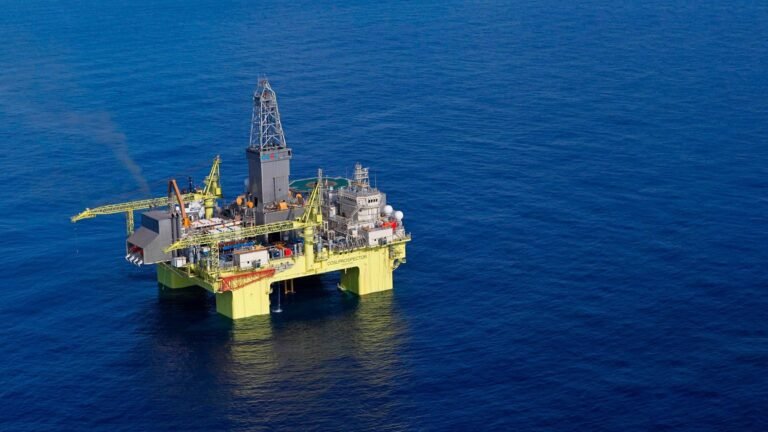
(WO) — Spirit Energy has reached a key regulatory milestone for its Morecambe Net Zero (MNZ) Peak Cluster carbon capture and storage (CCS) project, advancing plans to repurpose depleted gas fields in the East Irish Sea for large-scale CO₂ storage.
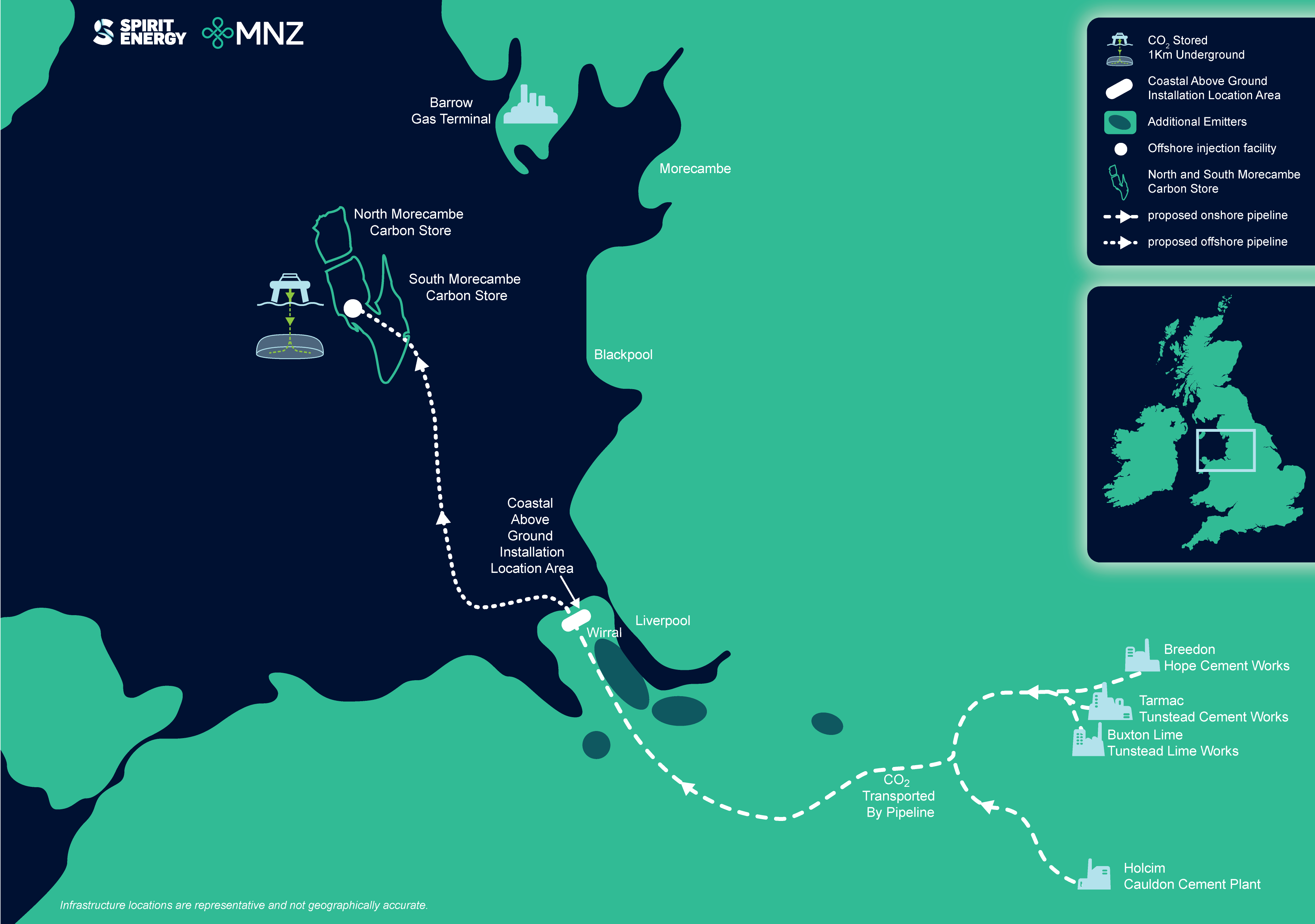
Image: Spirit Energy
The company announced that the UK’s North Sea Transition Authority (NSTA) has approved the project’s progression into the Assess Phase of its carbon storage license, a step toward securing permits for long-term CO₂ sequestration in the depleted North and South Morecambe fields once gas production ends later this decade.
The milestone follows three years of technical work, including a high-resolution 3D seismic survey and advanced subsurface imaging program designed to evaluate the storage potential of the fields. The offshore survey, conducted by Shearwater Geoservices, covered approximately 500 sq km in the East Irish Sea.
According to Spirit Energy, the studies confirmed the suitability of the Morecambe fields to store approximately 1 billion tonnes of CO₂, potentially making the development one of the UK’s largest offshore carbon storage projects.
The MNZ Peak Cluster project is being developed in partnership with Peak Cluster and is designed to transport and permanently store up to 3 million tonnes of CO₂ annually from four cement and lime plants in Derbyshire and Staffordshire. The project targets emissions from hard-to-abate industrial sectors and aims to support long-term decarbonization of the UK’s cement and lime industries.
“By repurposing the Morecambe fields for carbon storage, we can put existing infrastructure to work again, helping secure the future of essential British industry while making real progress towards net zero,” said Centrica CEO Chris O’Shea.
Spirit Energy said the project demonstrates how mature offshore oil and gas infrastructure can be repurposed to support energy transition objectives while extending the value of existing assets.
“The Morecambe fields have supported UK energy security for more than four decades,” said Matt Browell-Hook, Spirit Energy’s Director of Energy Transition, Decommissioning and Projects. “By repurposing those same fields through MNZ, we’ll safely lock away millions of tonnes of CO₂ while protecting thousands of highly skilled UK jobs.”
Project partners estimate the development could contribute approximately £1.8 billion to the UK economy by 2050 while supporting and safeguarding more than 13,000 jobs and attracting an additional £5 billion of investment during construction and operations.
About The Author