(Bloomberg) – Norway’s natural gas producers are operating near full capacity, according to the country’s energy minister, putting further pressure on European nations looking to fill depleted stockpiles of the fuel.
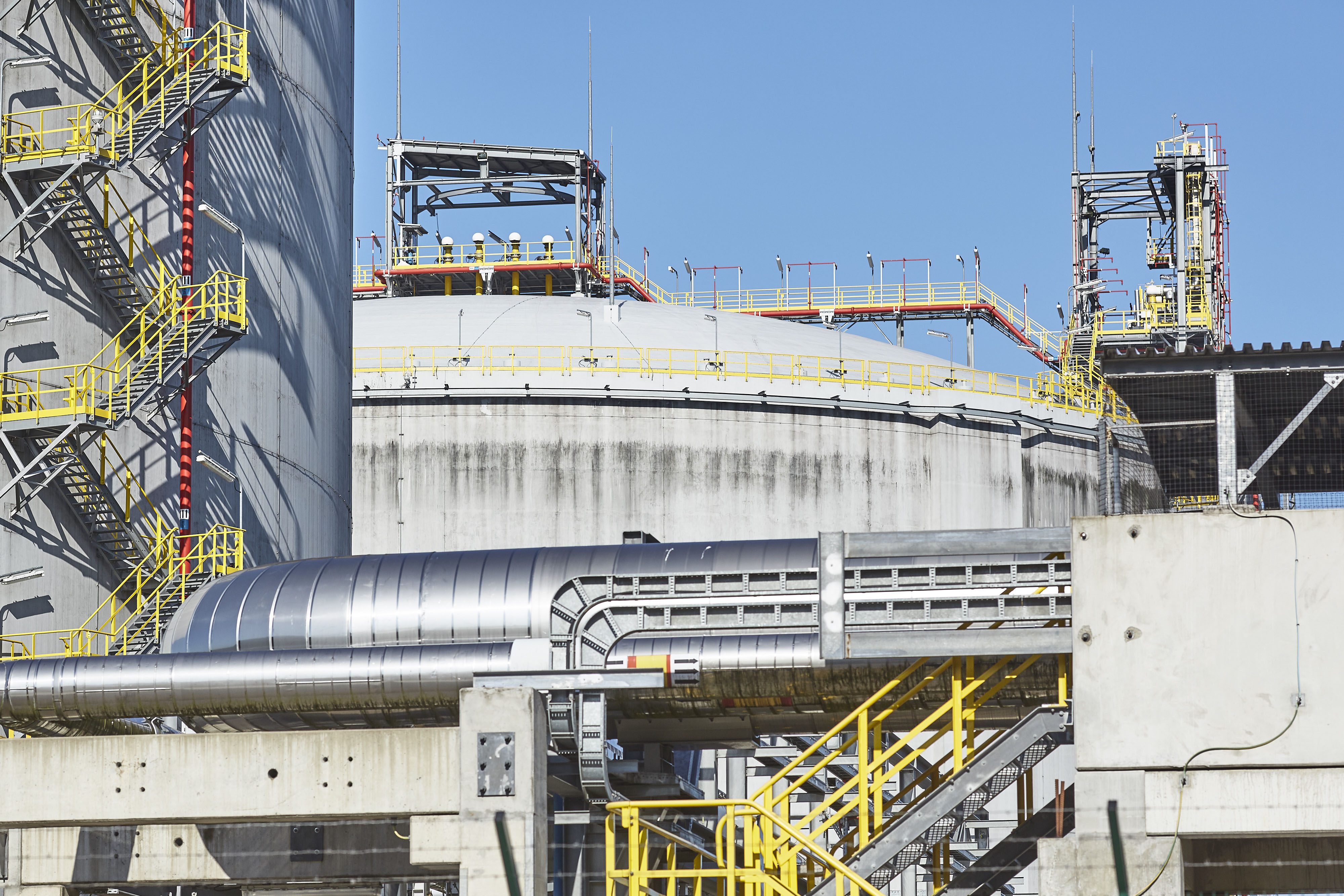
Image: Bloomberg
“We are essentially producing at full capacity. I don’t think there is much additional output to be found,” Terje Aasland said in an interview at his offices in Oslo on Tuesday. “We hope this won’t be a long-lasting situation.”
The sudden closure of the world’s largest LNG export facility in Qatar following an Iranian drone attack on Monday sent European gas prices soaring. Prices spiked to the highest since 2023 and are up more than 70% since Friday’s close, amid uncertainty over how long the shutdown at the facility will last.
“We do not want prices to rise in this way, when events like this occur,” Aasland said. “We need to focus on the role we are going to play. We must be a stable, long-term and predictable supplier — and make sure that we are able to maintain that.”
Norway became the major seller of natural gas to Europe after Russian flows slumped following the invasion of Ukraine and today supplies about a third of the continent’s needs. The region is entering the last stretch of winter with its storage tanks depleted, and will need to compete with other major global buyers for supplies during the upcoming stockpiling season.
“When we see prices rising like this, it’s important that the market actually works,” the minister said. “That’s an important lesson from what happened after the invasion of Ukraine. Trying to intervene in the market at this moment would be risky.”
Russian gas
The European Union agreed last year toaccelerate a phaseout of Russian gas and sever ties with its once-primary supplier of the fuel. The bloc still imports about 15% of its LNG supplies from Russia, which is today the second-largest provider of the fuel to Europe after the U.S.
Still, events in the Middle East, which have caused serious disruption to critical infrastructure and energy flows, may prompt European leaders to rethink this plan, Aasland said.
“They are very clear that they want to free themselves from Russian oil and gas,” the minister said, speaking at an event earlier in the day. “But with the situation we are in now geopolitically, it is clear that that debate — I believe — will emerge again.”
Read next: Extended Hormuz closure could push oil toward $110, analyst warns
About The Author