Private equity enters its 'Darwinian' era as experts warn some funds face extinction
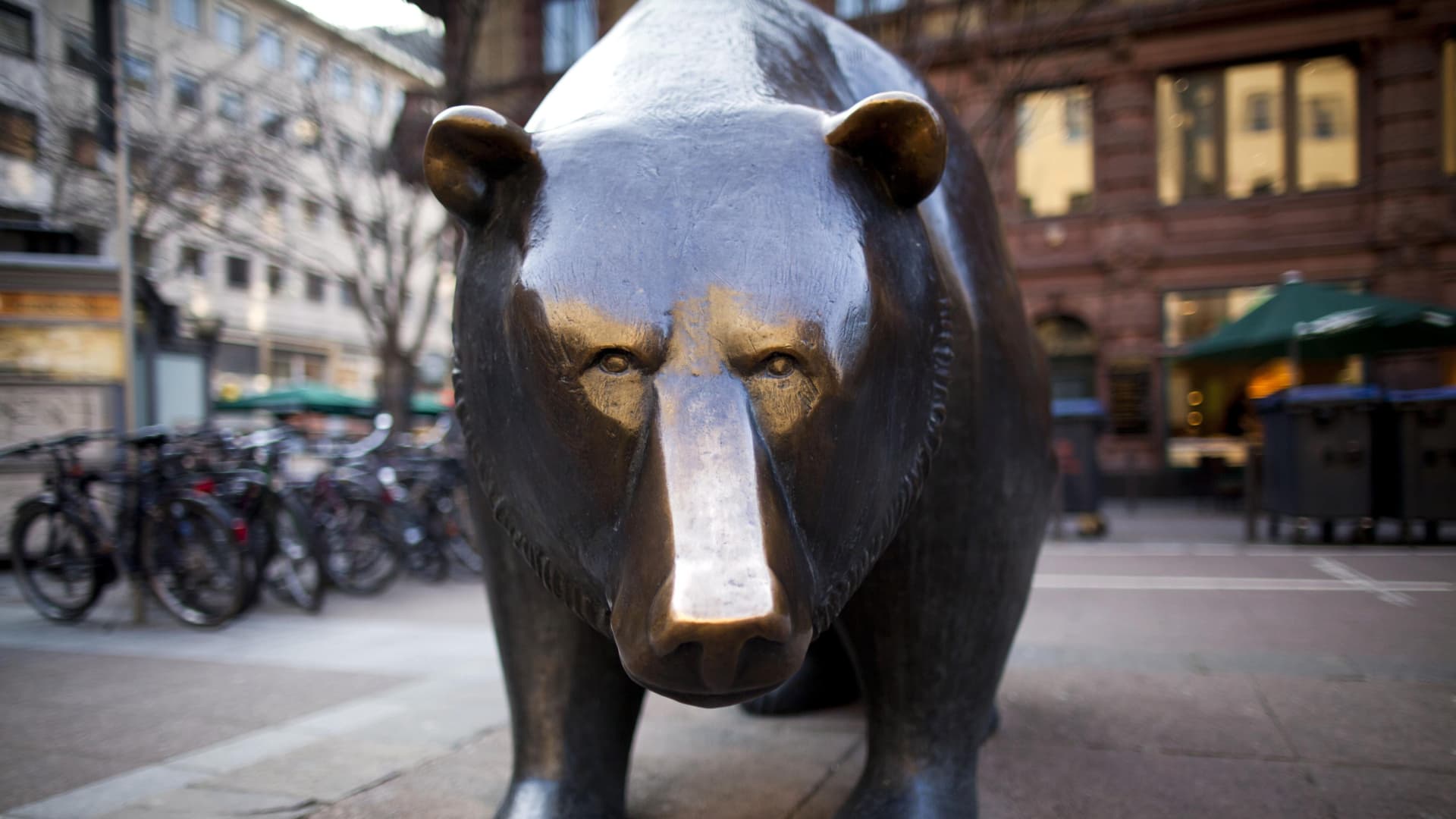
Falling returns, investment exit worries, longer holding periods and tougher fundraising conditions are hobbling the private equity industry, with experts warning that only the strongest will survive. According to a report by Bain & Co , private equity delivered low payouts to investors for a fourth consecutive year, weighed down by roughly 32,000 unsold companies worth about $3.8 trillion. It’s taking longer to sell these businesses: about seven years on average now, compared with five to six years between 2010 and 2021, the report released Monday said, adding that exit volumes dropped by 2% last year. “It’s a very bumpy road right now for PE firms,” said Romain Bégramian, managing partner at GP Score, which evaluates and verifies private equity firms’ value-creation capabilities.”Finally the long needed Darwinian selection is taking place.” Going extinct definitely is going to happen for some of [the smaller funds] GP Score Romain Bégramian Private equity firms returned only about 14% of the money they’re managing back to investors in 2025, lowest since the 2008-09 global financial crisis The industry has been grappling with weak exits and stubbornly low distributions to fund investors, known as limited partners, mounting pressure on fund managers to prove if they can still create value. Fundraising has become increasingly concentrated among established brands with smaller or emerging managers struggling to secure commitments for new vehicles, even as they hold onto aging portfolio companies bought near peak valuations during the low interest rate, liquidity-fueled 2021–2022 easy-money boom, market watchers told CNBC. “Based on the current environment, where we are seeing many funds, big or small, struggle to raise capital, there will be many managers who have raised their last fund; they just don’t know it yet,” said Kyle Walters, senior analyst at private market data provider PitchBook. “And those in the former camp will likely wind down quietly, and that will be all you see or hear of it,” Walters added, referring to underperforming managers. Data from Bain showed that buyout fundraising, or capital raised for funds that typically buy controlling stakes using leverage, fell 16% in 2025 from a year earlier to $395 billion, while the number of buyout funds closed — those that met the targeted fund corpus — dropped 23%, marking their fourth straight annual decline. The strain is not evenly distributed. Large-cap buyouts and managers tend to be more insulated, Walters said. Many run multiple strategies and manage huge pools of capital, which gives them a cushion when dealmaking or exits slow down. Global buyout deal value jumped 44% to $904 billion, but just 13 megadeals above $10 billion accounted for about 30% of that total, Bain report showed, with most concentrated in the U.S. Overall deal count fell 6%. “This pressure is more impactful on middle market managers, especially emerging managers, who are trying to set themselves apart from their peers,” said Walters. Across the board, what is clear is that the playbook of leverage and increasing valuation multiples is no longer sufficient, industry watchers said. “The current environment is truly testing what managers can add operational value as opposed to relying on some type of financial engineering to generate returns,” he added. Walters was referring to fund managers’ ability to drive earnings through concrete changes within portfolio companies, such as pricing discipline, working-capital improvements and management upgrades rather than relying mainly on cheap debt to chase valuation multiples. Continuation, consolidation, extinction Some industry leaders expect consolidation to accelerate as performance gaps widen and capital becomes more concentrated among top-tier managers. There being more PE funds than McDonald’s outlets in the U.S. has been highlighted by experts, making a case for consolidation in an industry that seems to have expanded too fast. Bégramian, however, points to the limits of consolidation as a neat solution. “Not all PE firms can be bought by BlackRock and Apollo, and they’re not in the market to buy everybody,” he said. adding that there was not infinite appetite among mega platforms to scoop up “every struggling general partner,” especially when what’s being sold is essentially fee revenue tied to portfolios that may include hard-to-exit or hard-to-value, so-called “gray” assets. “Going extinct definitely is going to happen for some of them,” he said, referring to smaller or undifferentiated managers that struggle to raise fresh capital, adding that years of weak distributions and tougher scrutiny from investors will force marginal players out rather than being absorbed by a larger rival. Similarly, Lucinda Guthrie, head of Mergermarket, pointed to what she called a growing trend in “zombified” assets, as funds sit on a backlog of unrealized exits and are struggling to raise fresh capital. Rather than sell at lower valuations, some managers are shifting assets into continuation vehicles, which allow private equity firms to offer liquidity to investors while still holding onto the assets, effectively buying time. But if firms are not distributing capital back to investors, that model is unlikely to be sustainable, she said. Guthrie expects 2026 to be a year that separates managers that can deliver from those who cannot, an industry reset she described as “definitely Darwinian.” That said, even for the firms that survive this shakeout, making money has become tougher, according to Bain. In the 2010s, buyout firms could often generate double or even higher returns over five years with fairly modest profit growth, helped by ultra-cheap borrowing and rising company valuations, t he Bain report added. Now, that tailwind is gone, the consultancy’s analysts said, adding that higher leverage, debt costs closer to 8% to 9%, and relatively stagnant portfolio valuations, warrant companies to grow profits much faster to achieve the same returns. Bain called this shift “12 is the new 5” — a shift from about 5% growth in annual earnings before interest, taxes, depreciation and amortization, or EBITDA, of it’s portfolio companies to now closer to 10% to 12% to generate the same 2.5 times the return on invested capital.