Frontline indices, the Sensex and the Nifty 50, suffered strong losses on Wednesday, 11 March, amid profit booking after healthy gains in the previous session.
The 30-share pack Sensex crashed 1,342 points, or 1.72%, to end at 76,863.71, while the NSE counterpart Nifty 50 settled at 23,866.85, falling 395 points, or 1.63%.
The BSE 150 MidCap Index crashed by 1.13%, while the BSE 250 SmallCap Index dropped 0.32%.
The overall market capitalisation of BSE-listed firms dropped to nearly ₹442 lakh crore from ₹447 lakh crore in the previous session, making investors poorer by about ₹5 lakh crore in a single session.
Why did the stock market fall?
Let’s take a look at five key factors behind the fall in the Sensex and the Nifty 50:
1. Profit booking
Profit booking in banking and other sectoral heavyweights, including HDFC Bank, ICICI Bank, Axis Bank, Bajaj Finance, Bharti Airtel, Reliance, and Mahindra and Mahindra, were among the main reasons behind the decline in equity benchmarks.
Nifty Bank crashed 2.13%, while the Financial Services index plunged 2.32%. Nifty Auto suffered a massive loss of 3.15%.
The domestic market witnessed profit booking amid persisting geopolitical risks due to the ongoing war between Iran and the combined forces of the US and Israel.
2. Rupee slips below 92
According to Bloomberg data, the Indian rupee declined by 24 paise to close at 92.04 per dollar on Wednesday, weighing on market sentiment.
Rupee’s weakness may accelerate foreign capital outflow since currency depreciation reduces their returns. Moreover, the rupee’s fall also raises the risk of inflation, which can lead to higher interest rates.
According to Jateen Trivedi, VP Research Analyst – Commodity and Currency, LKP Securities, the rupee’s expected trading range remains between 91.25 and 92.60, with crude price movement and dollar index direction continuing to guide the currency’s near-term trend.
3. The US-Iran war continues
Even though US President Donald Trump on Monday expressed hopes that the U.S.-Iran war may end soon, renewed aggression is visible in the Middle East.
According to AFP, the US military destroyed 16 mine-laying Iranian boats near the Strait of Hormuz.
The US has warned Iran of unprecedented consequences should it try to block ship movement through the Strait of Hormuz, through which one-fifth of the world’s oil supply passes.
Meanwhile, the United Nations has warned of significant risks to global growth and inflation if the Strait of Hormuz is closed amid the West Asia conflict.
4. Massive FII selling
Foreign institutional investors (FIIs) have sold off Indian stocks worth more than ₹32,800 crore in the cash segment in only six sessions in March.
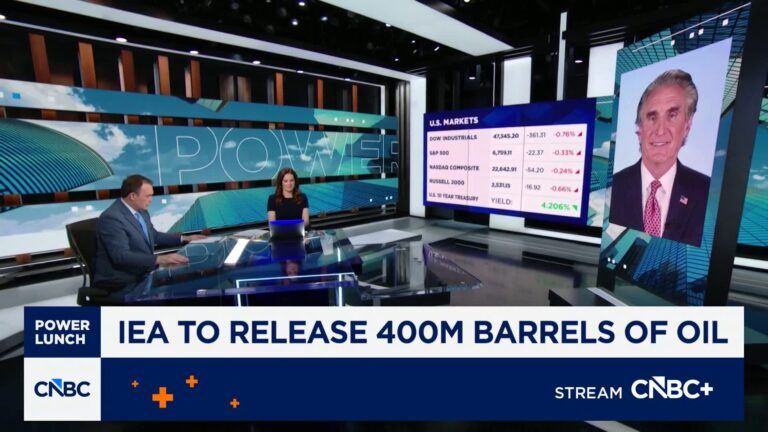
FIIs are aggressively selling Indian stocks amid higher crude oil prices, a weaker Indian rupee, and a rising US dollar, driven by the US-Israeli conflict with Iran.
Notably, FIIs have been selling Indian stocks since July last year due to earnings-valuation mismatch and the absence of AI-related themes in India.
“The FII vs DII game is back to the last one-year pattern of sustained selling by FIIs being more than matched by sustained buying by DIIs. Given the continuing indifference of FIIs towards India and the sustaining inflows into Indian equity mutual funds, this game is likely to continue in the near-term,” VK Vijayakumar, Chief Investment Strategist, Geojit Investments, observed.
5. Crude oil volatility
Crude oil prices have eased from their multi-year highs but remain highly volatile, denting India’s macroeconomic outlook. Experts say if the US-Iran war continues for a longer period and results in a sustained spike in crude oil prices, it could widen India’s current account deficit, further weaken the currency, and erode corporate profitability. This could deal a blow to the narrative of India’s solid macro.
According to media reports, rating agency Moody’s believes that a prolonged Middle East war could drag India’s gross domestic product (GDP) down by 1 percentage point and raise interest rates and inflation by 1.5 to 2 percentage points.
Read all market-related news here
Read more stories by Nishant Kumar
Disclaimer: This story is for educational purposes only. The views and recommendations expressed are those of individual analysts or broking firms, not Mint. We advise investors to consult with certified experts before making any investment decisions, as market conditions can change rapidly and circumstances may vary.
About The Author