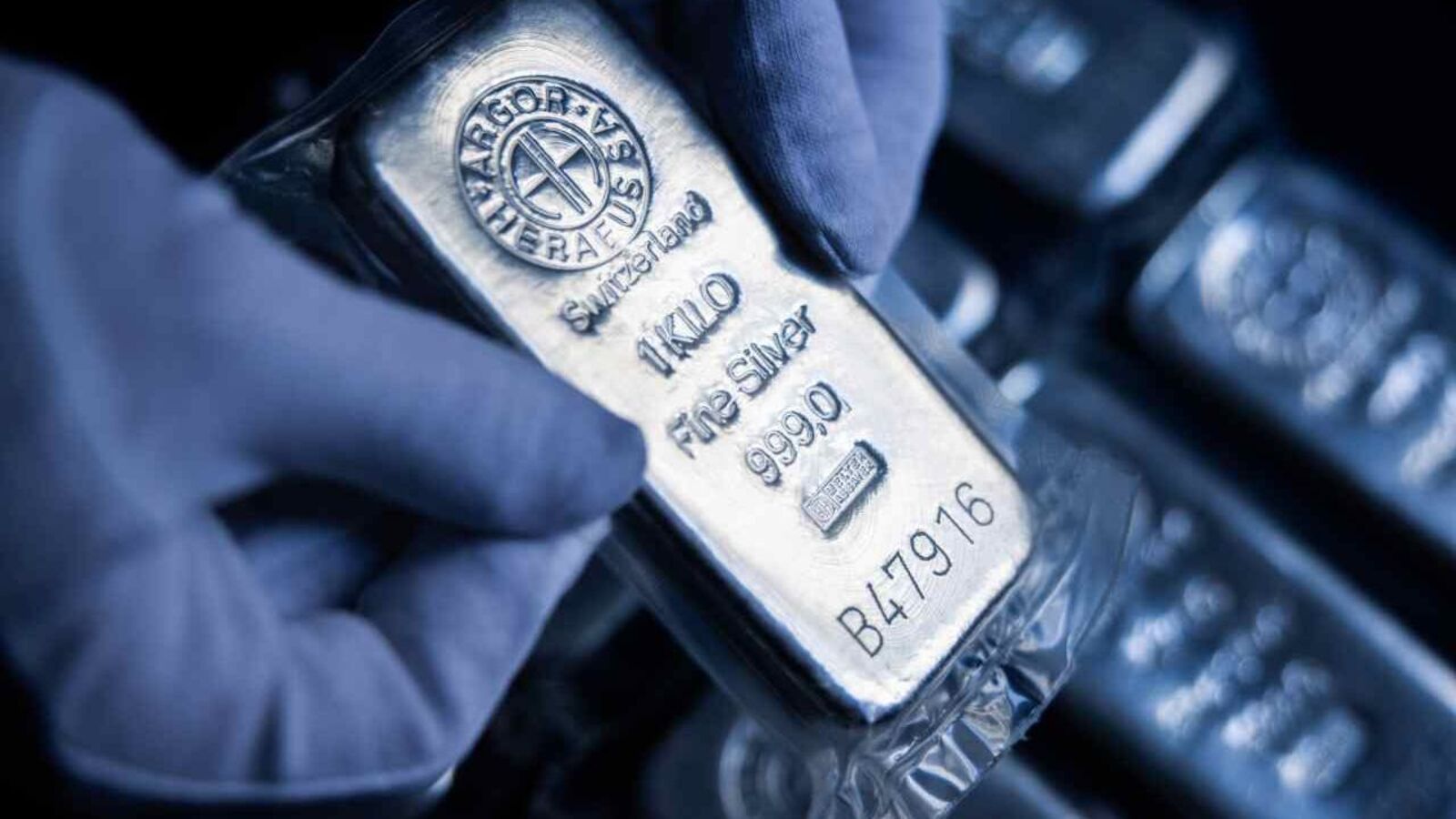
Silver rate today: Silver prices in India fell sharply on Wednesday, extending recent losses as investors reacted to a stronger US dollar, rising crude oil prices and growing expectations of higher interest rates. The decline came as renewed military tensions between the United States and Iran heightened concerns about inflation, prompting markets to reassess the outlook for monetary policy.
MCX Silver rate fell almost 2% to ₹2,34,000 per kg, while MCX Gold price lost 1.7% to ₹1,49,888 per 10 grams.
Meanwhile, in the global markets as well, precious metal prices declined. Spot silver dropped 1.5% to $64.43 per ounce, while spot gold fell 1.8% to $4,187.59 per ounce by 0230 GMT, touching its lowest level since March 23. US gold futures for August delivery also declined 1.7% to $4,213.40.
Why are precious metal prices falling today?
The latest weakness in precious metals followed a sharp rise in the US dollar, making dollar-denominated assets such as gold and silver more expensive for holders of other currencies. At the same time, oil prices advanced around 1%, adding to worries that inflationary pressures could remain elevated and force central banks to maintain a tighter policy stance for longer.
The geopolitical backdrop also weighed heavily on sentiment. The United States launched strikes against Iran on Tuesday after President Donald Trump accused Tehran of shooting down a US Apache helicopter in the Strait of Hormuz. The incident deepened uncertainty surrounding a potential peace agreement and added further strain to an already fragile truce in the region.
According to US officials, American forces carried out what they described as “self-defense strikes” after the helicopter was brought down off the coast of Oman. Meanwhile, Iran’s state-run IRIB reported at least six explosions on Qeshm Island, located in the strategically important Strait of Hormuz.
The escalation renewed concerns about disruptions to global energy supplies, a factor that has remained a key driver of commodity markets in recent months.
Higher oil prices tend to increase inflationary pressures across economies. As a result, investors now expect central banks, particularly the US Federal Reserve, to remain cautious about cutting interest rates. In some cases, markets are even beginning to price in the possibility of further rate increases.
According to the CME FedWatch Tool, traders are currently assigning more than a 70% probability of a Federal Reserve rate hike by December.
This environment is generally negative for precious metals. While gold is traditionally viewed as a hedge against inflation, both gold and silver become less attractive when interest rates rise because they do not generate any yield. Higher borrowing costs also strengthen the appeal of interest-bearing assets relative to bullion.
Investors are now awaiting a series of key US inflation indicators that could provide further clues about the Federal Reserve’s next policy move. Market participants will closely watch the May Consumer Price Index (CPI) report due later on Wednesday, followed by the Producer Price Index (PPI) data scheduled for Thursday.
Levels to watch now
Renisha Chainani, Head – Research at Augmont, noted that gold and silver are consolidating near key support levels as markets digest a fragile Israel-Iran ceasefire alongside mounting concerns over inflation and the prospect of further interest rate hikes.
According to the expert, Silver is oversold, testing key support in the $66–$67 range (approximately ₹2,40,000– ₹2,42,000). As with gold, a 3–4% technical recovery is the base case on dip-buying, but a confirmed sustainability below this support would accelerate selling pressure toward $60 (approximately ₹2,20,000) in short-term.
For the yellow metal, she said, “Gold is currently trading at deeply oversold levels near the critical support zone of $4,300 (approximately ₹1,54,000). A technical rebound of 3–4% is anticipated from current levels, driven by bottom-fishing activity. However, a sustained break below this support would shift the near-term bias decisively lower, exposing the $4,000–$4,100 range (approximately ₹1,50,000– ₹1,51,500) as the next downside target.”
Disclaimer: The views and recommendations made above are those of individual analysts or broking companies, and not of Mint. We advise investors to check with certified experts before making any investment decisions.
About The Author