At a time when tech stocks are falling globally amid heightened uncertainties surrounding the impact of artificial intelligence (AI) on software companies, global financial firm HSBC believes AI will not kill the software industry, but the latter will be the primary mechanism for the diffusion of AI across the world’s largest enterprises.
HSBC, in its report on February 24, emphasised that “software is how the world’s largest companies controllably leverage AI.”
Tech stocks have witnessed a massive selloff lately, especially after the launch of Anthropic’s Claude, seen as a major disruptor across several industries, including IT. On Tuesday, February 24, the Nifty IT index crashed by almost 5%, bringing its February losses to 21%so far.
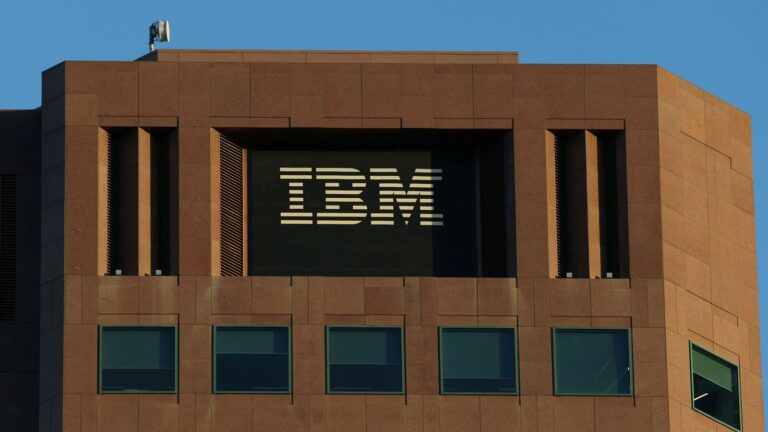
Tuesday’s selloff in the Indian IT counters followed a rout in Wall Street tech stocks after Anthropic said its Claude Code tool can help modernise Cobol– the programming language central to IBM’s operations for over 60 years.
Software is already eating AI, says HSBC
Emphasising that AI cannot threaten enterprise software, and rather, AI will be embedded within software platforms. HSBC said AI is destined to be subordinate to the overall software platform.
“AI encompasses the creative analysis and production of intelligent data, and that data is passed to the software stack to be processed, stored, checked, formatted, presented, or actionised in a deterministic fashion. Thus, in large enterprise application platforms, we see subordinated AI as simply a part of an overall solution, and it is likely to be subjugated across applications by embedding intelligent agents within the numerous enterprise platforms,” said HSBC.
HSBC believes these intelligent agents will likely be relegated to domain-specific high-value tasks that are difficult to codify and are better handled by a thinking entity.
“We believe that the far majority of enterprise software will not be threatened by AI, but rather AI will be domesticated within the application stack via agents and will create tremendous value in doing so,” said HSBC.
According to the global financial firm, software vendors are best suited to creating software with AI, not startups that use AI but lack the many success attributes and IP needed to compete.
“Large LLM model vendors are intensely focused on foundation model innovations and also lack the many success factors needed to win against or displace incumbents. And companies using AI to write their own applications are not practical, realistic, or economically sound,” HSBC said.
“Software vendors themselves are the best suited to use AI to generate software, as they have domain expertise, robust sales channels, trusted relationships, cross licensing, and legions of coders that are now more productive at creating new code by using new AI apps/tools,” HSBC said.
HSBC noted that while AI has been highly profitable for hardware and semiconductor companies, most of the value is now being generated in the software sector.
Software firms have been preparing for this shift by developing agentic AI over the past two years, with a major rollout expected in 2026.
HSBC says building or expanding select positions within the software vertical prior to a re-rating may be timely, as the sector valuations are at historical lows.
HSBC believes the software sector is poised to expand massively, with strong demand momentum expected to persist for the foreseeable future.
Disclaimer: This story is based on an HSBC report available on social media platforms. It is for educational purposes only. The views and recommendations expressed are those of individual analysts or broking firms, not Mint. We advise investors to consult with certified experts before making any investment decisions, as market conditions can change rapidly and circumstances may vary.
About The Author