South Korea has found increased attempts to disguise foreign products as Korean exports, primarily from China, to avoid U.S. President Donald Trump’s sweeping tariffs, its customs agency said on Monday.
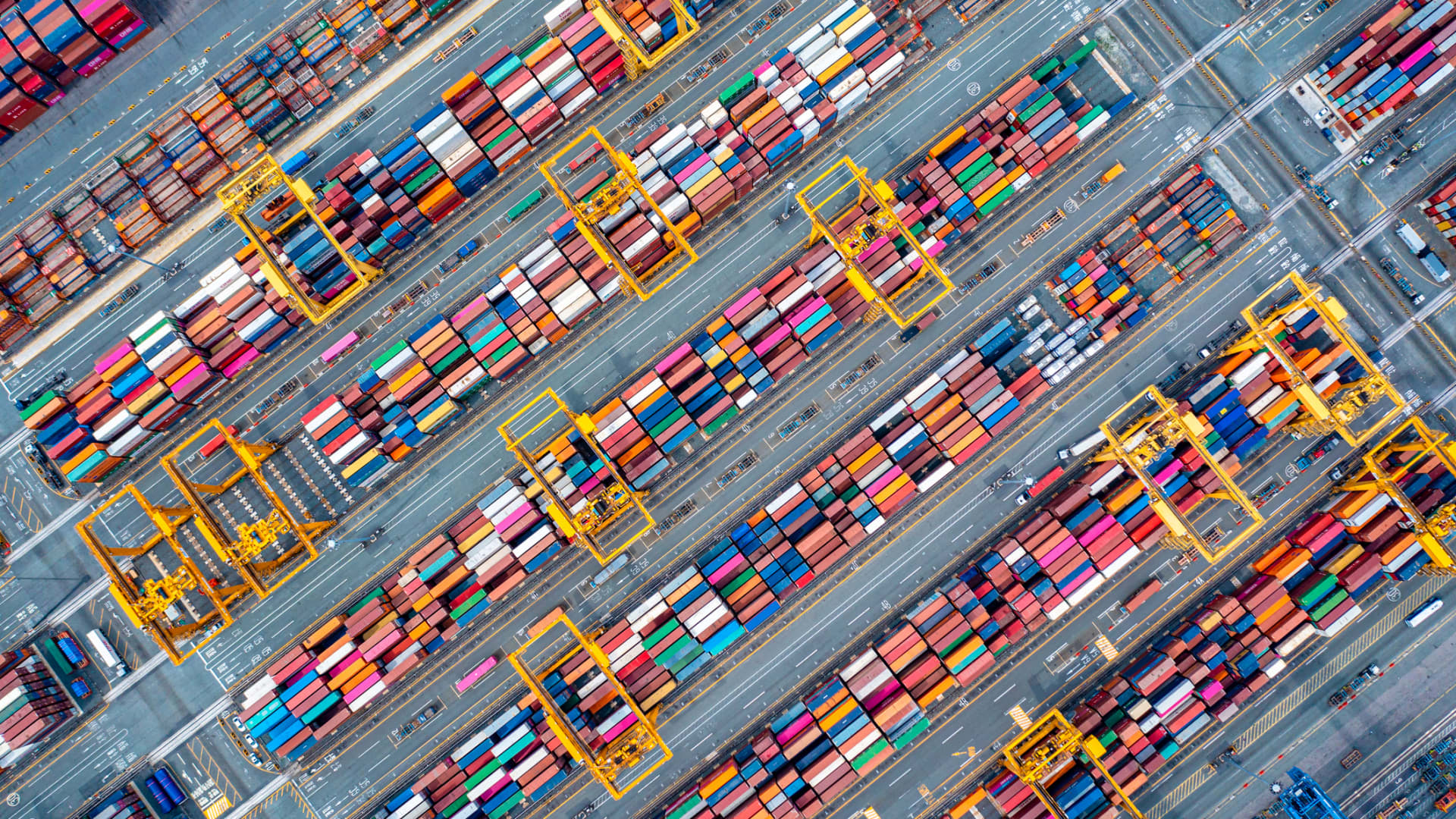
Insung Jeon | Moment | Getty Images
SouthKoreahas found increased attempts to disguise foreign products asKorean exports, primarily from China, to avoid U.S. PresidentDonald Trump’ssweepingtariffs, its customs agency said Monday.
TheKoreaCustoms Service said it has found 29.5 billion won ($20.81 million) worth of violations related to country of origin from the first quarter, with U.S.-bound shipments accounting for 97% of the total, after aspecial probelast month.
That compared to a total of 34.8 billion won worth of violations for all of 2024, among which U.S.-bound shipments accounted for 62%.
Trump, who took office in January, has imposed significanttariffson variousproducts and countries, including those on China that began to rise from February.
“There was a rise in disguised export attempts during Trump’s first presidency and we expect there to be a similar trend,” said Lee Kwang-woo, investigation planning director at the KCS.
Anticipating increased risks, authorities conducted the latest investigation preemptively to prevent illegal exports. They have already found signs of such attempts to avoid Trump’stariffsfrom the first quarter, Lee said during a media briefing.
On Monday,SouthKorean customs officials held a meeting with U.S. officials to discuss joint investigation efforts.
SouthKorean officials have said there could be a rise in attempts by foreign companies, such as those in neighboring China, touseSouthKorea, which is a major U.S. ally and has a free-trade pact, as abypassto avoidtariffsand regulations.
Trump slapped 25%tariffsonSouthKoreathis month, among a new set of sweeping levies, which were latersuspended for three months. The U.S. now imposes 145%tariffson China after back-and-forth retaliatory actions, which economists say have severed trade between the world’s two biggest economies.
Monday’s findings include 3.3 billion won worth of cathode materialsused for batteries, imported from China and shipped to the U.S. withSouthKoreafalsely marked as the country of origin, to avoid already hightariffsin January even before Trump’stariffstook effect.
In March, 19.3 billion won worth of surveillance cameras were imported from China in parts and reassembled inSouthKoreatobypassU.S. restrictions on Chinese communication devices.
Some of the goods have been shipped abroad while others are still at the port.
TheKoreaCustoms Service has launched a special task force to prevent attempts to illegally export such goods and plans to come up with more specific response measures to protect domestic companies. Meanwhile, the violations discovered will be referred to prosecutors.
About The Author