(WO) — Techouse has completed testing of a new compact once-through steam generator (COTSG) designed to enable combined-cycle power systems on offshore oil and gas installations, with the potential to reduce fuel consumption and CO₂ emissions by up to 25%.
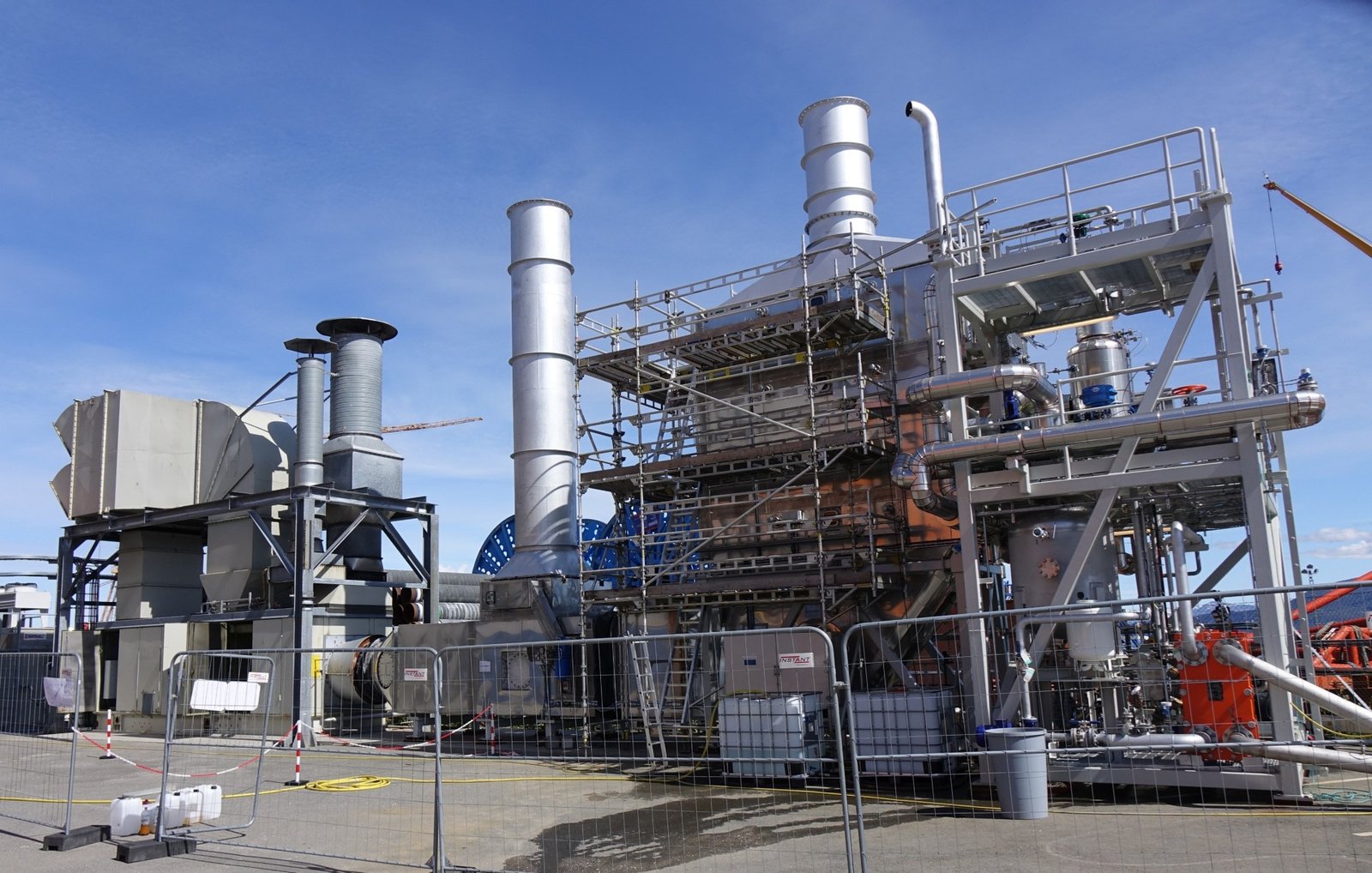
The technology was developed through a joint industry project supported by TotalEnergies, Equinor and SINTEF Energy Research, with innovation funding provided by the Norwegian Research Council. Full-scale testing was conducted at Sustainable Energy’s test center in Stord, Norway.
The COTSG is designed as a core component of offshore combined-cycle power plants, which capture heat from gas turbine exhaust to generate superheated steam. The steam can then produce additional electricity through a steam turbine, improving overall power-generation efficiency.
According to Techouse, previous R&D has shown that combined-cycle systems on floating and fixed offshore installations can reduce CO₂ emissions by 22–25% compared with conventional gas turbine configurations. Depending on the installation, that could equate to an annual emissions reduction of 50,000 to 150,000 tons.
However, the size and weight of conventional heat-recovery equipment can make deployment challenging on offshore facilities with limited deck space and weight capacity. Techouse said the new COTSG was developed specifically to provide a smaller, lighter alternative.
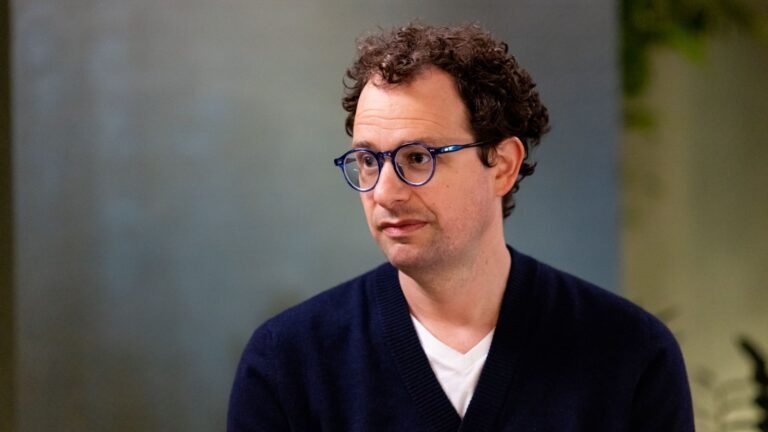
“The JIP set out to design, build and test an OTSG that is lighter and smaller than current solutions, enabling it to be installed on even more offshore installations,” said Pål Kloster, chief technology officer at Techouse.
The full-scale unit underwent performance, vibration, fatigue and thermal-fatigue testing, including cyclic loading designed to evaluate whether the system can meet its targeted 30-year operating life.
“The test has delivered positive results against the key test parameters, and we are now proceeding with a comprehensive analysis of the logged test data,” Kloster said.
Techouse plans to commercially launch the COTSG later in 2026. The company also intends to explore integrating the technology and associated infrastructure with carbon capture systems on offshore platforms.
About The Author