An aerial view of the Tesla Fremont Factory on January 29, 2026 in San Rafael, California.
Justin Sullivan | Getty Images
Tesla is suing California’s Department of Motor Vehicles to reverse a ruling that found the automaker violated the law by falsely promoting its cars’ self-driving capabilities.
The suit comes two months after the state’s Office of Administrative Hearings determined that Tesla engaged in false advertising, and said the DMV could temporarily suspend the company’s licenses to manufacture or sell cars in the state.
The DMV instead asked Tesla to clean up its marketing language. By Feb. 17, the agency said Tesla had done so appropriately and no license suspension would be required.
But Tesla, which is banking much of its future on robotaxis, wants the DMV to go further. In their complaint, dated Feb. 13, attorneys for Tesla alleged that the agency “wrongfully and baselessly” labeled Tesla a “false advertiser” for its prior use of the terms Autopilot and Full Self-Driving.
Tesla now uses the brand name “Full Self-Driving (Supervised)” to describe its partially automated driver assistance system, and sells it only on a subscription basis. In the past, Tesla packaged partially automated driving features in Autopilot standard, Enhanced Autopilot and Full Self-Driving tiers, and offered some customers “beta” or early access to new features, which are not yet fully debugged. It sold the systems for a single up-front fee.
The DMV did not immediately provide a comment. Tesla didn’t immediately respond to a request for comment.
Tesla CEO Elon Musk has long promised investors and customers that the company’s cars would be upgraded over time via over-the-air software updates that would turn them into robotaxi-ready vehicles. That hasn’t happened yet, though the company’s systems have become more sophisticated.
After sales of its electric vehicles declined last year, Tesla’s future success hinges largely on its ability to deliver driverless systems that make their cars safe to use without a human at the wheel, ready to steer or brake at any time.
Tesla is now testing a handful of automated vehicles in its Robotaxi pilot in Austin, Texas. Last week, the company announced the start of production of its forthcoming Cybercab, a two-seater designed without a steering wheel or pedals, in Texas.
Tesla has for years presented its systems as if they were safe to use without an attentive driver. For example, in 2018 Musk appeared on CBS’ “60 Minutes” driving in a Model 3 with Autopilot engaged and correspondent Lesley Stahl in the passenger seat. Musk kept his hands off the wheel and told Stahl that he was “not doing anything,” while the car was driving itself.
However, Tesla’s owners manuals specify that drivers should not use FSD (Supervised) features without paying attention to the road.
In filings with California’s OAH, lawyers for the state’s DMV wrote that Tesla’s marketing for “Autopilot” and “Full Self-Driving” falsely suggested the cars are capable of operating autonomously.
Tesla’s attorneys alleged that the DMV never proved consumers in the state had been confused about whether its cars were safe to drive without a human at the wheel.
When Tesla used those brand names, the company’s attorneys argued, “It was impossible to buy a Tesla equipped with either Autopilot or Full Self-Driving Capability, or to use any of their associated features, without seeing clear and repeated statements that they do not make the vehicle autonomous.”
In a separate class action lawsuit that’s winding its way through California courts, customers who purchased FSD expecting their cars to be upgraded into robotaxi-ready vehicles over time are asking for their money back.
Tesla was also held partly liable for a fatal collision involving Autopilot. During the trial, the Tesla owner said he had dropped his phone while driving and scrambled to pick it up, but thought the car’s Enhanced https://www.cnbc.com/2026/02/20/tesla-loses-bid-toss-243-million-verdict-fatal-autopilot-crash-suit.htmlAutopilot system would brake if an obstacle was in the way. The suit resulted in a $243 million verdict against Tesla to be paid to the family of the deceased and an injured survivor of the collision.
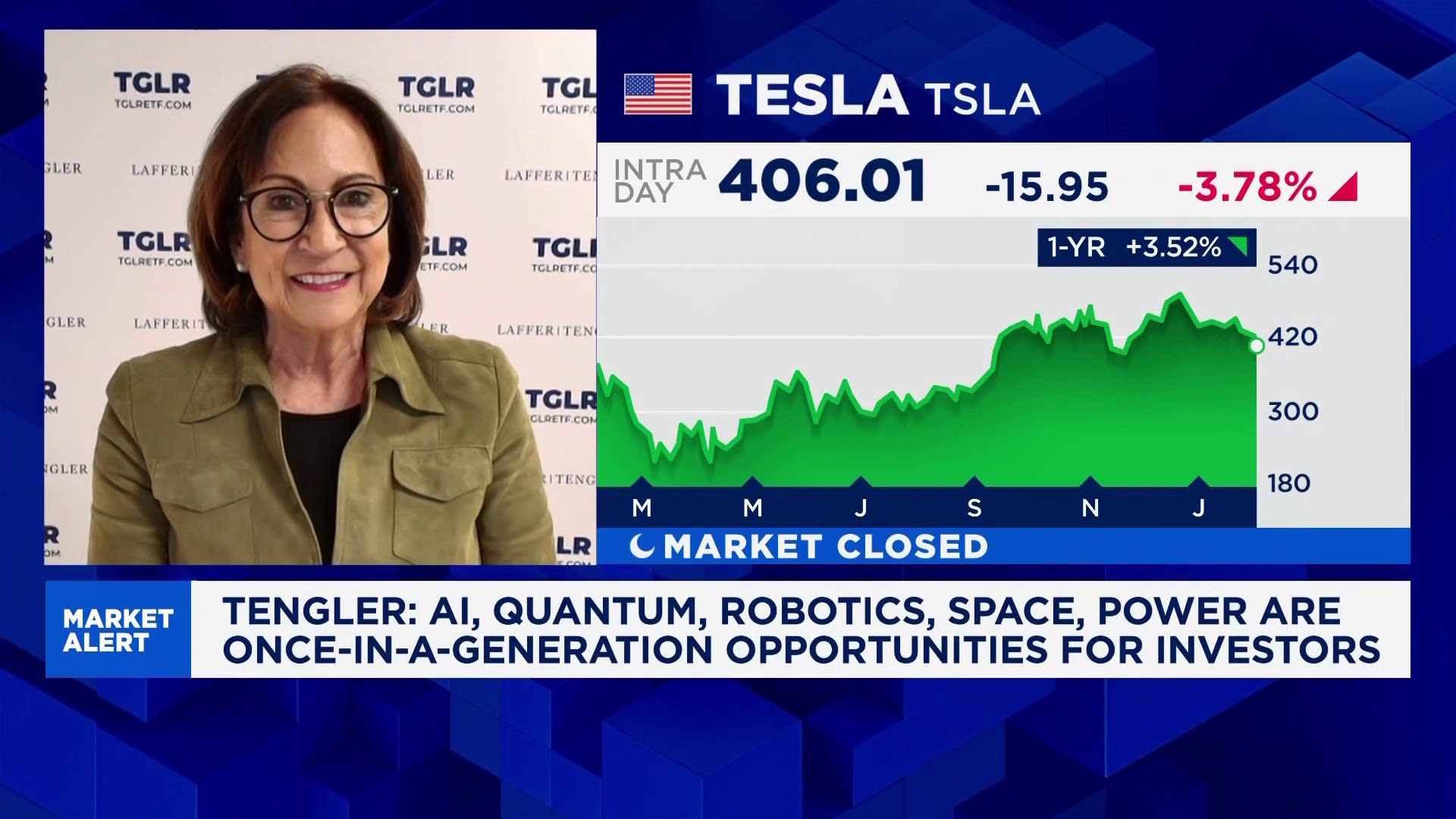
WATCH: Nancy Tengler says Tesla is still a generational opportunity

About The Author