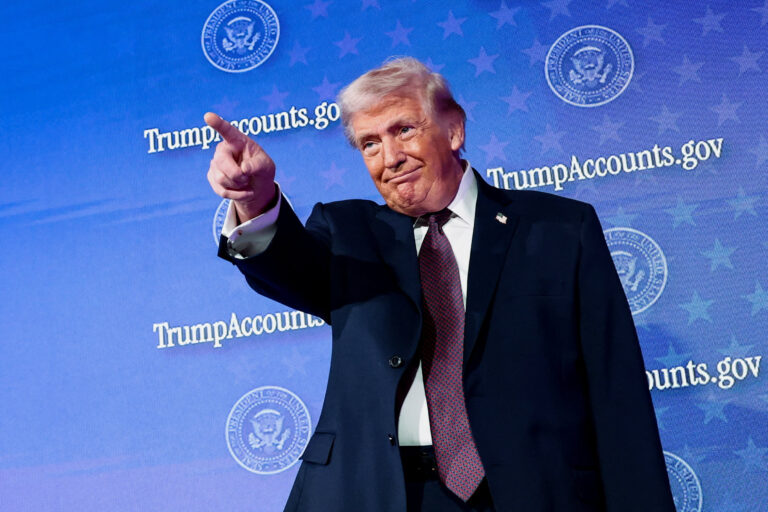
As investors weigh a potential conflict between the U.S. and Iran, Bank of America has a playbook for how assets have performed in the wake of seismic geopolitical events in the past. In a Friday note to clients, strategist Michael Hartnett looked at international crises, starting shortly before the outbreak of World War II through the Israel-Hamas War. From there, he analyzed how each asset class performed three months after each shock began. Oil led the way, with a median rally of more than 18% three months after an event. Oil prices jumped more than 5% this week as investors priced in the increasing likelihood of military action in the Middle East. President Donald Trump said Friday that he was weighing using limited military strikes to pressure Iran over its nuclear program. On Thursday, Trump said he would make a decision on attacking the Islamic Republic in coming weeks, but left open the potential for a deal. In the meantime, a second U.S. aircraft carrier strike group, led by the USS Gerald R. Ford, is sailing to join the USS Abraham Lincoln on station in the Persian Gulf. Gold , long viewed as a safe-haven investment in times of geopolitical uncertainty, trailed oil with a median gain of about 6% in the three months following the start of a crisis. But gold has evolved from a steady and low-drama trade to a hot retail investor pick lately. That’s led to dramatic swings this year after the precious metal in 2025 posted its biggest annual gain since 1979 . U.S. stocks, on the other hand, have added less than 5% over the same timeframe. Over an even shorter period, a separate report from Barclays found that the S & P 500 tends to see modest upside the day before and the same day as big geopolitical events. On average, the broad market index has finished the day little changed after such incidents.