The Indian stock market remained under pressure in Monday’s trade, 20 July, as investor sentiment stayed cautious amid escalating geopolitical tensions in the Middle East, which continued to cloud the global risk environment. Rising crude oil prices further fueled expectations of tighter monetary policies, adding to the cautious mood.
Domestic factors also turned unfavourable for the markets, as shares of private sector banks declined after their earnings highlighted pressure on net interest margins, raising concerns that lower interest rates are squeezing profitability despite healthy credit growth.
However, strong buying in select heavyweight stocks helped the Nifty 50 pare some of its losses, with the index ending 0.40% lower at 24,233. The Sensex settled at 77,737, down 0.53%.
The broader markets outperformed the benchmark indices, with both the Nifty Midcap 100 and Nifty Smallcap 100 indices ending in the green, indicating that the broader market breadth remained in favour of the bulls.
Sectoral performance remained mixed. The Nifty PSU Bank index emerged as the top performer, surging nearly 3%, while its peer, the Nifty Private Bank index, plunged 2.25% amid heavy selling in select banking counters.
Among other sectors, the Nifty Pharma and Nifty Media indices gained more than 1% each. On the other hand, the Nifty Auto, Nifty IT, and Nifty Realty indices all ended the session in negative territory.
Geopolitical tensions in the Middle East remained elevated as the U.S. extended its attacks on Iran for the tenth consecutive day on Monday, while Iran fired missiles toward Jordan, raising fears that the conflict could spread further across the region and potentially draw neighbouring Israel into the escalation.
Step by step, the US and Iran have moved closer to an all-out war after last month’s interim agreement, aimed at permanently ending the conflict, collapsed.
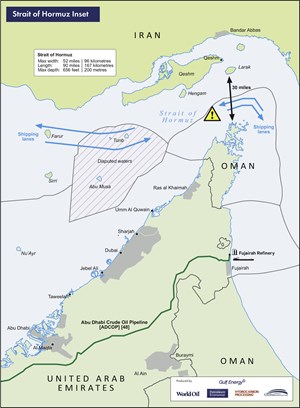
Meanwhile, shipping traffic through the Strait of Hormuz has largely stalled, disrupting one of the world’s most critical energy trade routes.
Both sides have targeted civilian infrastructure relied upon by millions of people. Against this backdrop, benchmark Brent crude climbed above $90 per barrel on Monday, intensifying concerns over a global energy crisis triggered by the conflict, AP reported.
About The Author