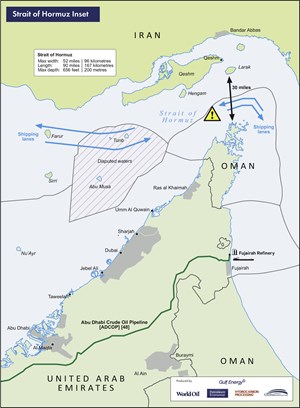
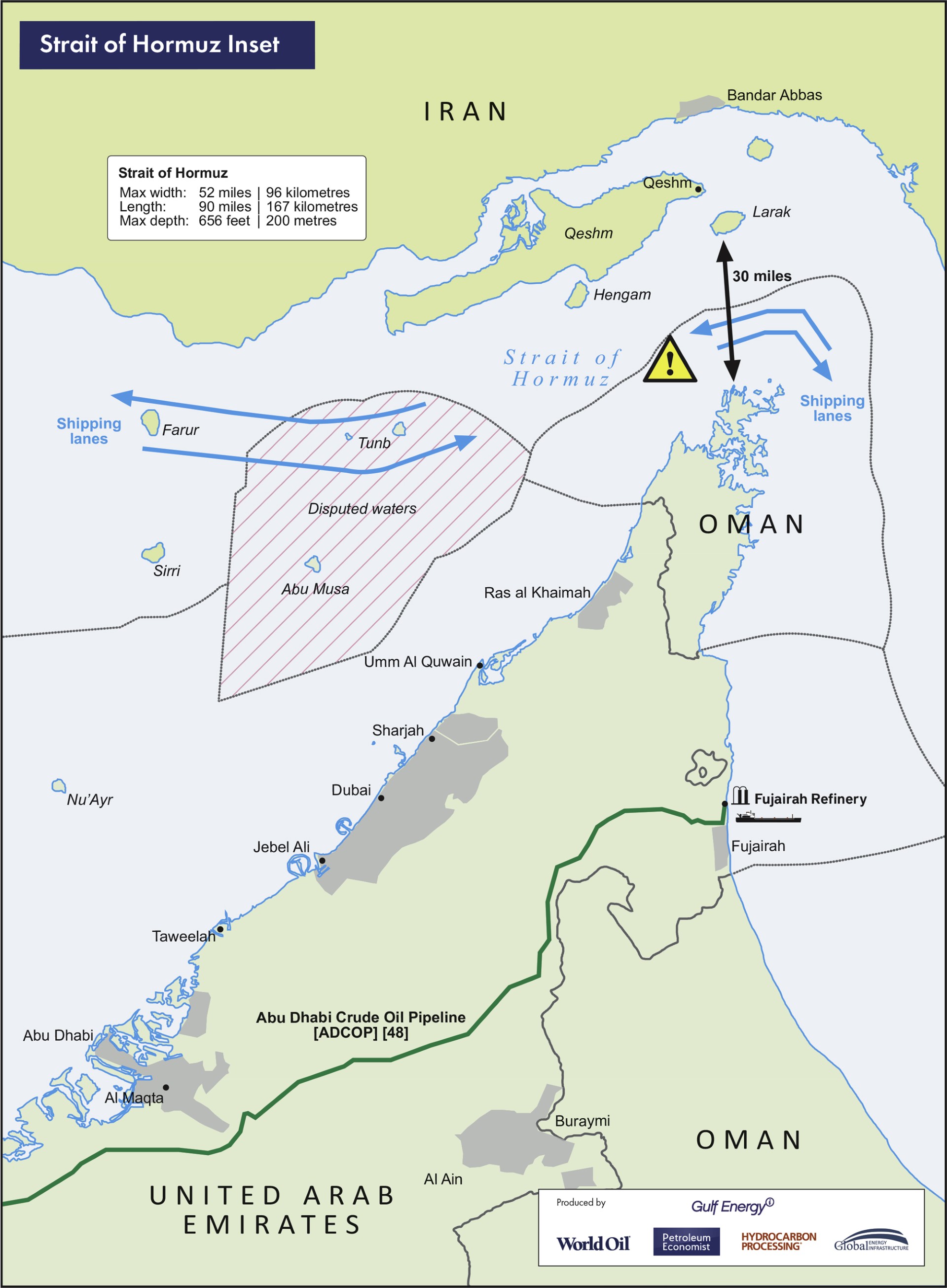
(WO) — The International Energy Agency (IEA) said escalating hostilities affecting the Strait of Hormuz and regional energy infrastructure continue to raise concerns about global energy security, but alternative supply routes, higher exports from producers outside the Gulf and coordinated emergency stock releases have helped keep crude markets supplied.
In a statement Tuesday, IEA Executive Director Fatih Birol said the conflict has increased uncertainty over the market outlook while renewed threats to the Bab el-Mandeb Strait have added to supply concerns by jeopardizing an increasingly important alternative shipping route.
Despite the disruption, Birol said crude markets continue to benefit from several mitigating factors. Saudi Arabia and the United Arab Emirates have maintained significant exports through routes that bypass the Strait of Hormuz, while some cargoes continue to transit the waterway. The IEA estimates Gulf crude exports remain below late-June highs but are still well above levels recorded between early March and mid-June.
Additional crude exports from the United States, Brazil, Venezuela and Kazakhstan have also helped offset reduced Gulf supplies, while lower Chinese crude imports have eased pressure on global markets, according to the agency.
The IEA noted that emergency stock releases by member countries continue to provide significant market support. Since announcing a coordinated response on March 11, member countries have released approximately 290 million bbl of oil from strategic reserves, with more volumes continuing to enter the market. More than 1 billion bbl of government-controlled emergency stocks remain available if needed.
Birol cautioned that risks remain elevated despite the resilience of crude supplies. Refining activity has not recovered as quickly as crude deliveries, leaving diesel and gasoline markets tighter than crude markets. In natural gas markets, increased LNG exports from the United States and Canada have replaced roughly 70% of lost Gulf supplies, though prolonged disruptions could keep LNG markets tight as Europe continues replenishing gas storage ahead of winter.
The IEA reiterated that a full reopening of the Strait of Hormuz remains essential to restoring stability and preventing further deterioration in global energy security.
About The Author