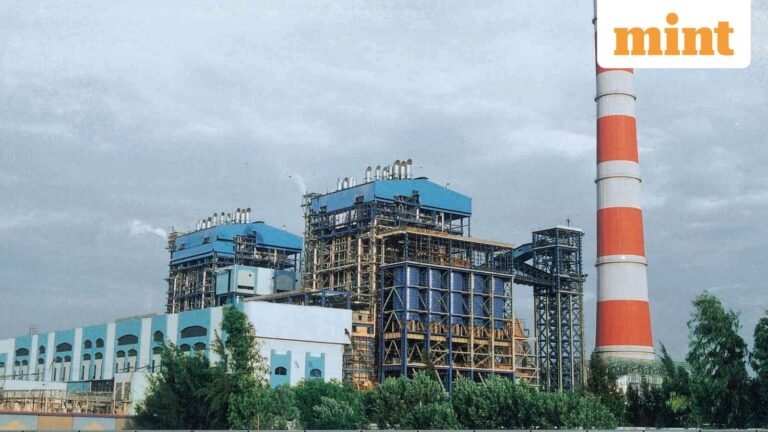
What's next for oil refiners after an unprecedented run to all-time highs

If you think high crude prices are a headache, look a little further down the energy value chain. For independent oil refiners, the stars have aligned into a once-in-a-generation bonanza. Refiners don’t care what crude costs. They care about the crack spread, the margin pocketed by turning a barrel of oil into usable fuels and chemicals. Right now, those margins look like the ultimate holiday bonus, and the stocks of independent refiners are trading near all-time highs. The disconnect between refining capacity and product fuel demand has handed refiners an extraordinarily lucrative opportunity. Rather than a fleeting seasonal spike, independent refiners are experiencing a structural anomaly that allows them to generate record-breaking free cash flow. At the center of this boom is the crack spread. While gasoline processing remains reliably profitable, the massive earnings drivers are the middle distillates: diesel and jet fuel. U.S. diesel prices hit $6 per gallon for the first time ever on Friday as escalating Middle East tensions led the global oil benchmark Brent crude oil to notch an 8.7% gain last week. Domestically, distillate fuel inventories are roughly 14% below their historic five-year average. Bottlenecks across crucial shipping corridors continue to isolate regional supply, leaving U.S. processing capacity to supply a tight, inelastic global market. Already tough conditions worsened Friday as Saudi Arabia shuttered a critical East-West crude oil pipeline to the Red Sea after it sustained damage in an Iraqi attack. The pipeline has been relied upon to transport production from the Persian Gulf as transit through the Strait of Hormuz remains snarled. The result is that quarter to date, refining margins have surged about 60% from the second quarter. Where is my global refining capacity? A large divergence has opened between refining capacity and real-world throughput, creating a multiyear tailwind for well-positioned energy equities. Over the last two years, the global refining footprint expanded on paper by 400,000 to 700,000 barrels per day due to megaproject completions in China, India, and Africa. On the other hand, real-world fuel production has plummeted by roughly 5%, or about 4.2 million barrels per day. This has occurred as Ukrainian drone strikes have disabled specialized Russian processing units, while maritime chokepoints in the Middle East have left crucial crude supplies stranded. To help bridge the gap, Western refiners have increased throughput to an unsustainable 98% to 103.5% of capacity, pushing refining margins and spreads to near-historic highs, according to RBN Energy. Headlines suggesting a swift resolution if geopolitical tensions ease are misguided. A cessation of hostilities will not trigger a rapid collapse in crack spreads. The global refining complex has accumulated a massive maintenance debt that will force widespread, prolonged plant shutdowns for deferred repairs once markets relax. Furthermore, rebuilding specialized, sanction-restricted metallurgical units in Russia and clearing disrupted maritime logistics will take 12 to 18 months minimum. This ensures that refining capacity will remain bottlenecked and fuel inventories deeply depleted well into the next year, sustaining elevated cash flows and dividend-paying health for high-utilization U.S. Gulf Coast and European refiners. …But nothing cures high prices like high prices The bearish view on refining stocks comes from the premise that in the world of commodities, there will be an invisible response. The old maxim: nothing cures high prices like high prices. Record-breaking crack spreads will inherently self-correct. It all comes down to supply and demand. When diesel and jet fuel prices remain elevated for too long, commercial trucking, industrial shipping, and aviation sectors begin to scale back, cooling demand. Meanwhile, staggering margins incentivize every operating facility globally to defer maintenance, maximize utilization, and de-bottleneck capacity. Eventually, the response fills the deficit and margins fall. For investors evaluating the domestic energy landscape, the distinct strategic orientations of the big three independent operators illustrate how this cash windfall is being captured. Valero Energy Pure-play refiner Valero Energy possesses advanced, complex refineries capable of dynamically adjusting output to maximize diesel when desired. Flexibility provides operational leverage to product shortages, though there is less downside insulation when margins fall. Valero shares are up more than 140% year to date, with a nearly 40% rise in the past two months alone. On Monday, the stock hit an all-time high of $399.40 intraday, but was recently trading down nearly 2%. Wall Street analysts have a wide range of price targets on the stock, according to LSEG, with views ranging from as low as $193.45 to as high as $450. VLO YTD mountain Valero Energy shares year to date Marathon Petroleum The country’s largest refiner Marathon Petroleum combines maximum asset utilization with the financial cushion of a 64% ownership stake in its midstream master limited partnership, MPLX . The captive midstream business steadies baseline cash flow, reduces volatility and drives share repurchases. Marathon Petroleum has gained nearly 145% year to date and set an all-time intraday high of $409.50 on Monday. However, in midday trading shares were down less than 1%. As is the case for Valero, Wall Street analysts also hold a wide range of views about where Marathon Petroleum stock will be heading. Price targets range from as low as $186.93 to as high as $462, according to LSEG. MPC YTD mountain Marathon Petroleum shares year to date Phillips 66 Representing a more diversified downstream operation, Phillips 66 possesses a large footprint in chemicals, marketing and midstream logistics. Backed by significant expansions of its capital return program, it offers a smoother, slightly less volatile vehicle for delivering more immediate value to shareholders. Its board approved a $10 billion increase to its stock buyback program in July, and management’s goal is to return half its cash flow from operating activities to shareholders. The company is also reducing its debt and cutting costs, which could set itself up for higher earnings power down the road. Phillips shares hit an all-time high of $265.43 on Friday, but were down about 1% in trading on Monday. The stock has gained about 38% over the past two months. Year-to-date, it has doubled. According to LSEG, price targets range from $158 to $335. PSX YTD mountain Phillips 66 shares year to date THIS CONTENT IS PROVIDED FOR INFORMATIONAL PURPOSES ONLY AND DOES NOT CONSTITUTE FINANCIAL, INVESTMENT, TAX OR LEGAL ADVICE OR A RECOMMENDATION TO BUY ANY SECURITY OR OTHER FINANCIAL ASSET. THE CONTENT IS GENERAL IN NATURE AND DOES NOT REFLECT ANY INDIVIDUAL’S UNIQUE PERSONAL CIRCUMSTANCES. THE ABOVE CONTENT MIGHT NOT BE SUITABLE FOR YOUR PARTICULAR CIRCUMSTANCES. BEFORE MAKING ANY FINANCIAL DECISIONS, YOU SHOULD STRONGLY CONSIDER SEEKING ADVICE FROM YOUR OWN FINANCIAL OR INVESTMENT ADVISOR. Click here for the full disclaimer.