(Bloomberg) – Venezuela expects almost $76 billion of investment in its oil and gas sector over the next five years, Acting President Delcy Rodríguez said Saturday, as the country seeks to draw private capital into a push to boost energy production.
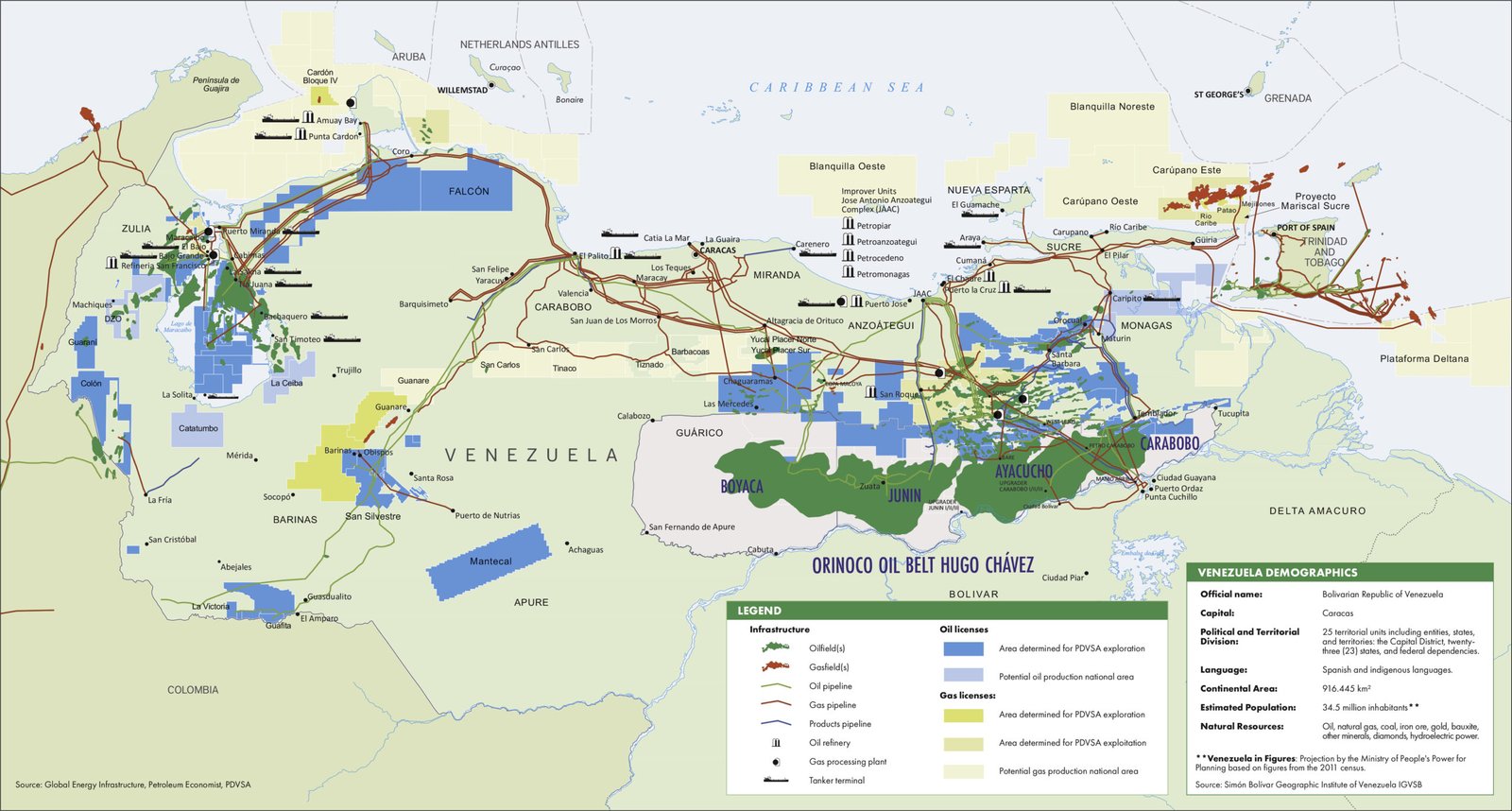
Rodríguez gavethe estimateduring the closing of an energy conference in Maracaibo, capital of the oil-producing Zulia state, where more than 150 domestic and international companies gathered to discuss investment and the revival of production.
The acting leader said the government has signed 61 agreements under its revamped hydrocarbons framework and is negotiating another 44. The projects are intended to combine foreign investment with Venezuelan capital and labor, according to Rodríguez.
The projected investments would generate more than 324,000 direct, indirect and induced jobs, she said.
The announcement highlights the scale of Venezuela’s ambitions as it tries to rebuild an oil industry that remains well below its historic output highs despite holding the world’s largest crude reserves. Turning the commitments into production will require years of drilling and investment indeteriorated oil fields, power systems and other infrastructure, and reassurances for investors wary of the country’s history of nationalizations and political and legal uncertainty.
The investment drive is increasingly intertwined with a U.S.-backed effort to revive Venezuela’s vast but long-struggling oil industry. Washington struck an agreement in August with North American Blue Energy Partners, covering 17 fields and as much as $100 billion of planned investment. The company said it aims to raise output to 500,000 bpd by the end of 2028 from about 200,000 currently.
Rodríguez also said higher production in Zulia would eventually allow the state to become a producer of liquefied petroleum gas, first for domestic consumption and later for export.
The targets illustrate the scale of the challenge. Chevron Corp., which recently expanded its development rights in the Orinoco Belt and updated terms for its Venezuelan ventures,saidin September that the agreements opened the way for new investment but that many years of work remained.
The company said long-term growth would depend on continued reforms and cooperation between industry and government on infrastructure improvements.
Venezuela also faces constraints ranging fromunreliable powerand aging production equipment to limited oil-field service capacity and shortages of experienced workers, all of which could slow efforts to bring new barrels online.
About The Author