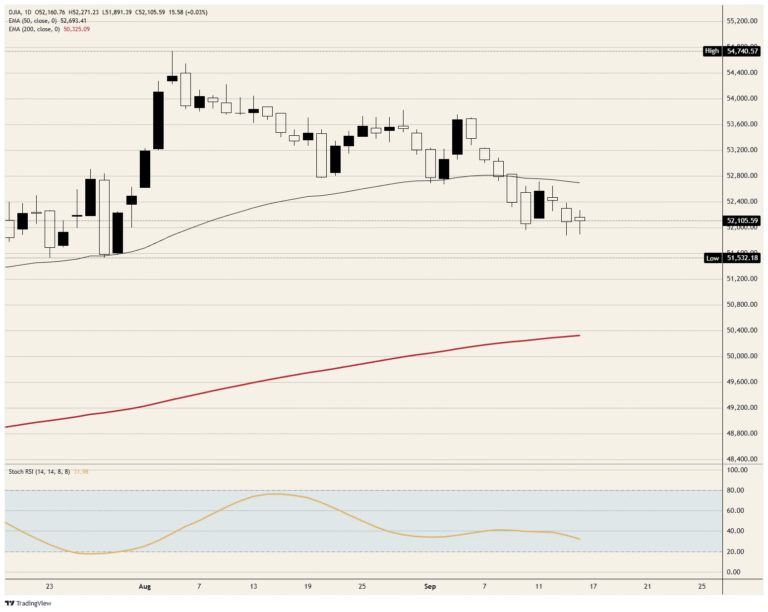
Bitcoin and the broader crypto market have come under pressure, consistent with the recent weakness in U.S. equities and a bounce in the Dollar Index.
The common thread is the U.S. interest rate. Crude oil is higher again, stoking inflation concerns, and markets are pricing in a growing chance that the Federal Reserve will raise interest rates this month.
That narrative, however, is flawed, according to some observers. If they’re right, the latest bout of market weakness could be short-lived.
WTI crude has rallied to $90, up from $70 at the start of July, driven largely by supply disruptions tied to the Iran conflict rather than an overheating U.S. or global economy. Higher energy prices could lift headline inflation in the near term, but they also act like a tax on households and firms.
A rate rise cannot open shipping lanes or put more barrels on the market, but it can tighten credit flow in the economy and add to a slowdown in economic activity.
“Monetary policy should not mechanically react to a jump in headline inflation,” James E. Thorne, chief market strategist at wealth management firm Wellington-Altus, wrote on X. An oil shock, he argued, is “a growth shock dressed up as inflation,” and tightening into it would be “policy error masquerading as prudence.”
Mark Zandi, chief economist at Moody’s Analytics, made the same point. In a July 28, 2026 interview with CNN, he said: “Monetary policy 101 says when there is a supply shock, don’t respond. Follow the script. It’s worked pretty well … Bottom line: I don’t think they should raise rates.”
That does not mean the Fed will stay on hold on Sept. 16. The odds of a hike are rising, currently at 68%, according to the CME’s FedWatch tool. It does mean the case an increase is weaker than the tape implies. Until that decision lands on Sept. 16, another leg higher in oil can keep pressure on risk assets, including crypto. Stay alert.
About The Author