A second major Wall Street bank this week is telling clients to cash in tech stocks. Here's why
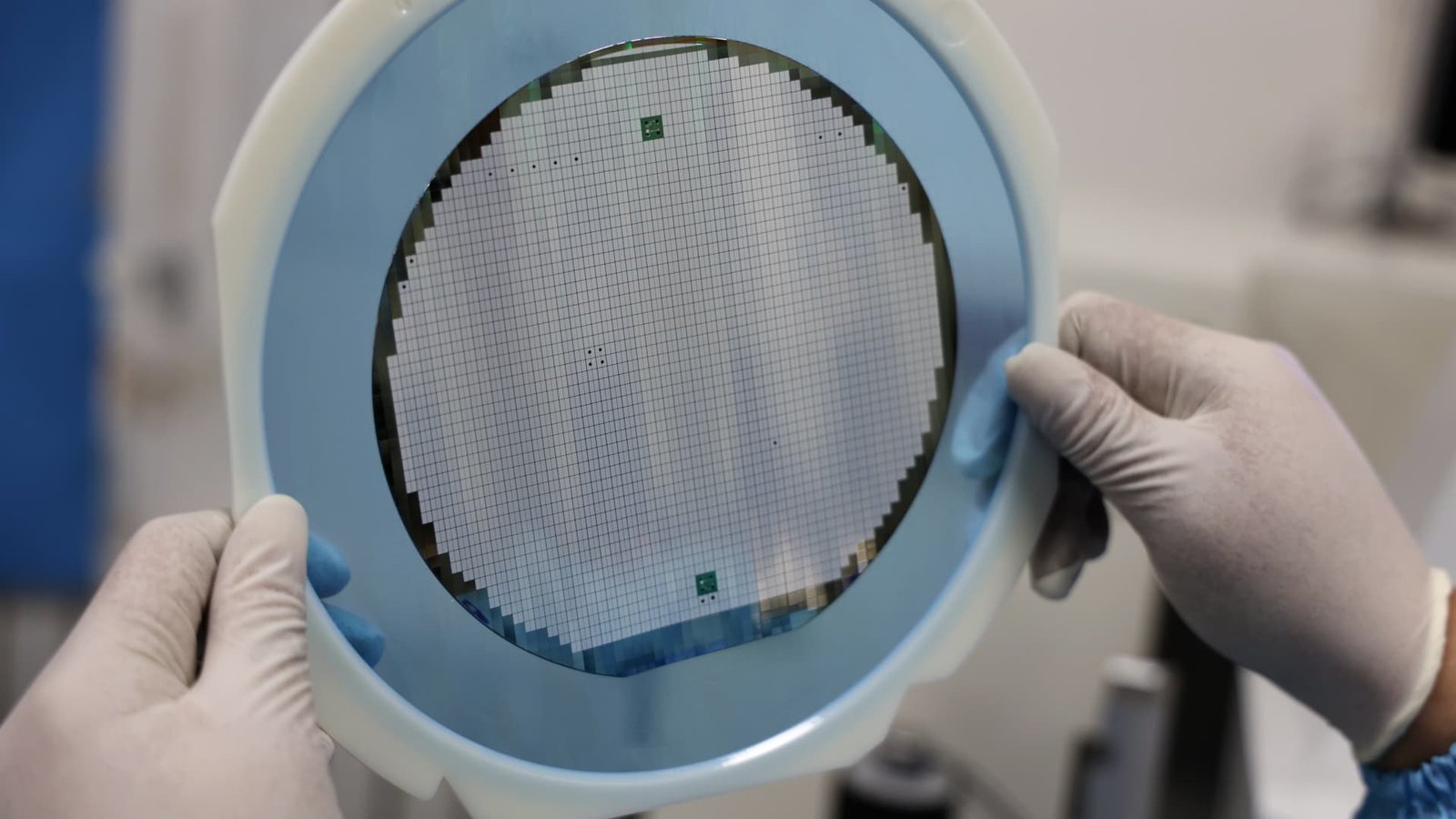
A pair of large Wall Street banks are telling investors to bail on the tech sector as chip stocks sag this week. RBC Capital Markets on Wednesday echoed a Deutsche Bank analysis from last week, telling clients to steer clear of tech in the medium term. RBC downgraded the sector from overweight to market weight and recommended health care in its place. The latest rationale is that earnings momentum in the chip sector, as reflected in upward EPS estimate revisions, is decelerating. “While the rate of upward EPS estimate revisions for the broader Tech sector remains strong, we have started to see some deceleration on this gauge of earnings sentiment for the R3000 Semi & Semi Equipment industry,” Lori Calvasina, head of U.S. equity strategy for RBC, wrote in a Wednesday note, referring to the Russell 3000 index. Her team is “staying vigilant for a deceleration in the rate of upward revisions,” believing it “would be a negative signal for performance and indicative of another leg down,” Calvasina said. The iShares Semiconductor ETF ( SOXX ) is down almost 3% Wednesday, more than 5% this week and more than 19% below its 52-week high reached in late June. The VanEck semiconductor ETF ( SMH ) is down more than 2% Wednesday and off 5.5% in October. Even with the latest declines, memory chipmaker Micron has more than doubled in the past six months, climbing 105%. Sandisk is up 57%. SNDK 6M mountain Sandisk 6 months. Deutsche Bank warned about such a down leg on Friday, saying that the rotation into tech that started in July was close to running its course. “The Tech rotation has run far and the risk-reward no longer looks favorable in the near term,” Parag Thatte at Deutsche Bank wrote to clients on Friday. The rotation into other sectors could broaden market performance in a healthy way but might also entail a wider sell-off, Thatte added. Meanwhile, bearish rhetoric about the eventual end of the longer-term boom in capital spending tied to artificial intelligence is growing fiercer, though the timing remains vague. Famed investor Paul Tudor Jones told CNBC on Tuesday that “2027 is going to be really, really challenging for the stock market,” and compared current conditions to those that held just prior to the popping of the dot-com bubble in the early 2000s. Chris Wood, global head of equity strategy at Jefferies, said that concerns about the inevitable commodification of AI, which will lower prices and company revenues, are creating fears about technological parity between China and the U.S., according to a Friday Bloomberg report . In September, Wood warned about capital destruction resulting from the AI buildout. “The risk is that at some point the market really starts to question this spending in terms of whether they will make a proper return from the investment,” Wood told Indian media outlet Money Control on September 17. “My base case is that they will end up wasting a lot of money on this AI capex, a lot of capital will be destroyed; but the key question is, when does the market start to think that?”