(WO) — The Asia Pacific carbon capture, utilization and storage (CCUS) market could grow to as much as £187.8 billion($255 billion) by 2035 under an accelerated deployment scenario, according to a new regional assessment by energy consultancy Xodus.
The study identifies significant potential for carbon capture, CO₂ transport and geological storage development across a region responsible for more than half of global carbon dioxide emissions. However, Xodus said regulatory, commercial and technical barriers must be addressed for projects to advance.
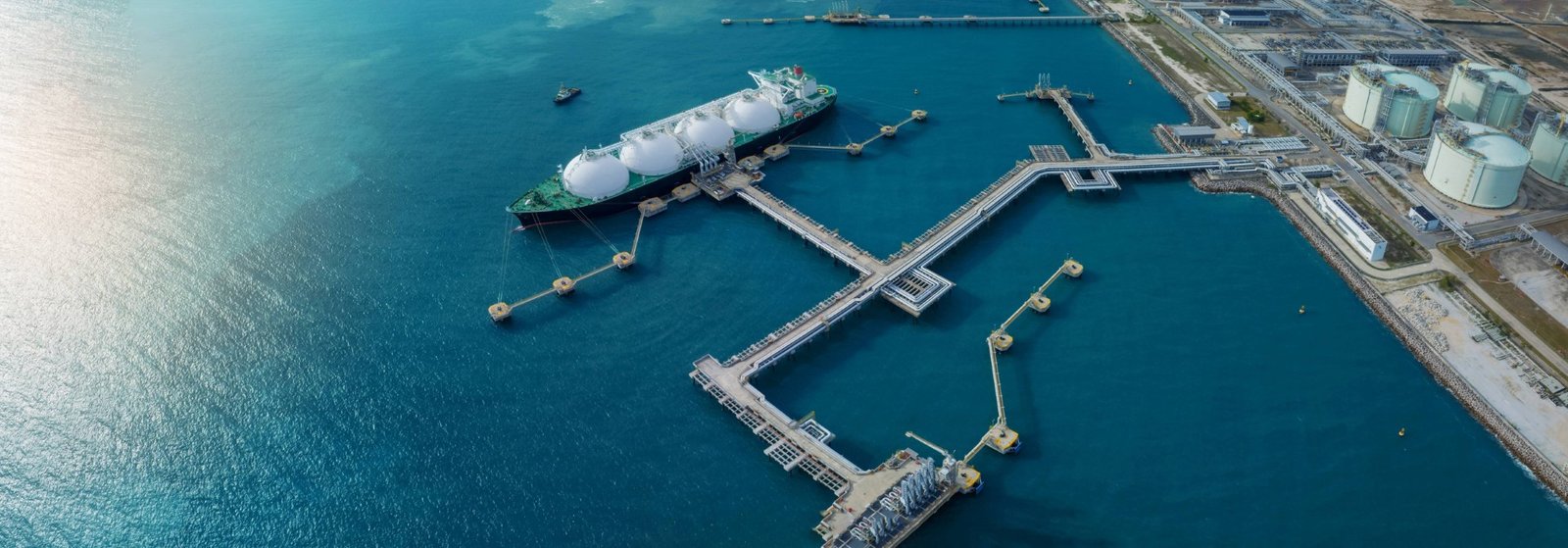
A geographic mismatch between major emissions sources and available storage capacity is expected to drive development of cross-border CO₂ transportation networks. Japan, South Korea and Taiwan are expected initially to focus on validating domestic storage while also developing capabilities to capture and export CO₂.
Malaysia and Indonesia, meanwhile, could emerge as major storage locations for both domestic and imported CO₂. Australia and New Zealand also have significant geological storage potential, although longer transportation distances could affect the economics of importing CO₂ from Northeast Asia.
Under Xodus’ more ambitious deployment scenario, seven countries could export approximately 83 million tonnes of CO₂ annually by 2030. That could increase to nine exporting countries and 145 million tonnes per year by 2035.
“Asia Pacific does not lack ambition or potential for CCUS but its challenge is turning that potential into investable projects,” said Andrew Taylor, head of advisory, APAC, at Xodus. “There needs to be further work on storage characterisation, regulation, project development and specialist engineering if deployment is going to accelerate.”
Regulatory development varies considerably across the region. Japan, South Korea, Malaysia and Australia have established dedicated CCUS legislation or relatively mature permitting frameworks, while other markets remain at earlier stages of developing requirements covering monitoring, liability and long-term stewardship.
Xodus said subsurface appraisal, saline aquifer screening, monitoring and verification, early-stage engineering and CO₂ transportation infrastructure will be among the capabilities needed as the regional industry develops.
The assessment was commissioned by the UK Department for Business, Innovation, Science and Trade and also examined how expertise developed through the UK’s CCUS sector could support project development across Asia Pacific.
About The Author