(Bloomberg) — Brent crude settled above $101/bbl as escalating attacks on oil tankers across the Middle East heightened concerns over tightening supplies from the region.
The global benchmark settled 3.4% higher at $101.21/bbl after reaching $101.58 during the session, while West Texas Intermediate settled at $96.05/bbl. Brent has gained roughly 65% this year and is trading above $100 for the first time since July.
The latest rally followed a sharp escalation in attacks involving oil shipping. The U.S. military said it destroyed five Iranian tankers after Iran attempted to strike a U.S. Navy warship with ballistic missiles overnight. Iranian media subsequently said Tehran targeted two U.S. warships and eight oil tankers in the Persian Gulf, although there was no immediate confirmation of those attacks.
The escalation comes as Yemen’s Iran-backed Houthi militants target energy facilities in Saudi Arabia. Alerts of “potential danger” sounded in southern Saudi Arabia on Wednesday, one day after attacks prompted temporary shutdowns at several energy facilities.
Oil prices are also finding support from renewed Chinese crude purchases. A recent buying hiatus from the world’s largest crude importer had helped keep prices in check, but the resumption has pushed several market indicators to their strongest levels in weeks.
“While the level of market deficit in crude has eased amid a stabilization of higher dark flow volumes, the market remains tight overall,” said Ryan McKay, senior commodity strategist at TD Securities. “Further tightness could still materialize amid these renewed attacks and as signs grow that China is becoming more active in the market.”
Global inventories have continued to decline as Middle East supply disruptions persist. Analytics firm Vortexa estimates the volume of oil aboard vessels at sea has fallen by more than 150 MMbbl since mid-July.
Refined products have rallied even more sharply. U.S. diesel inventories are projected to fall this month to their lowest level in more than two decades, according to the U.S. Energy Information Administration‘s latest Short-Term Energy Outlook. The agency also raised its fourth-quarter retail diesel price forecast by 14% to $5.55/gal.
“The fundamental picture for products remains bullish with global inventories and reserves deteriorating,” said Darrell Fletcher, managing director for commodities at Bannockburn Capital Markets.
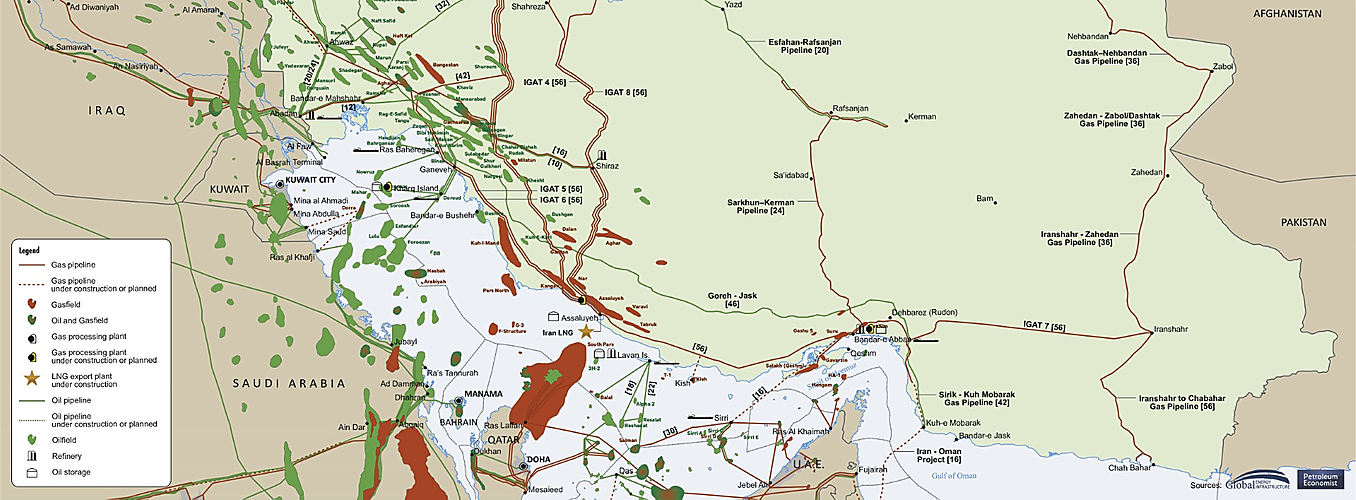
Before the Iran war, roughly one-fifth of global oil and LNG supplies passed through the Strait of Hormuz. Tankers continue to move through the waterway with transponders switched off, but the latest attacks have heightened uncertainty over those flows.
About The Author