Climate risk is reshaping muni credit — and income opportunities
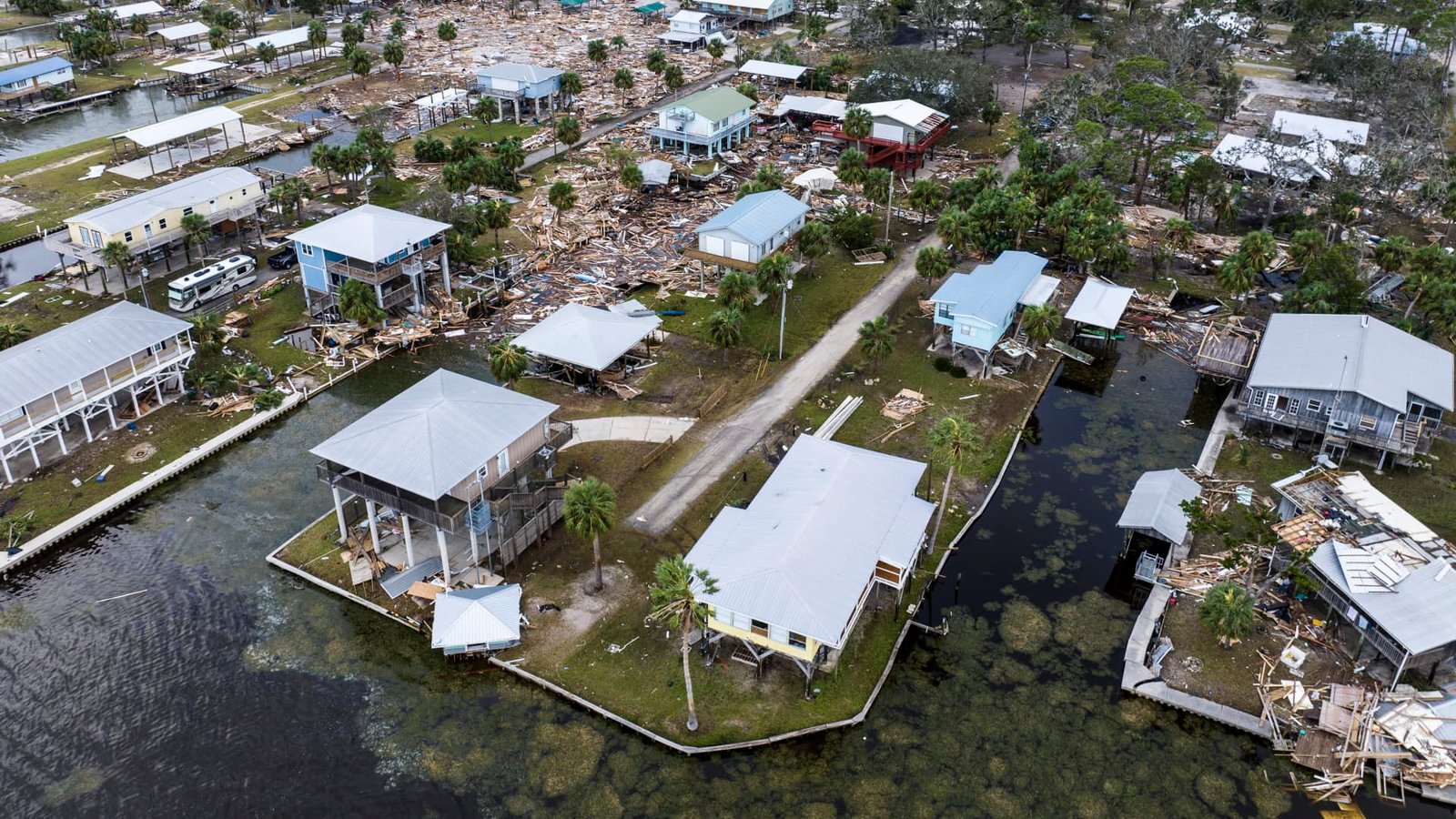
Investors may be missing out on an opportunity brewing in municipal bonds. Munis typically fund infrastructure projects, from roads and bridges to water and sewer systems, as well as essential services. These days, state and local governments are also issuing them to pay for protection against climate risk, said Dan Close, head of municipals at Nuveen. Climate events are increasing, resulting in more money being poured into disaster recovery. There were 27 confirmed disaster events in 2024 related to weather and climate, resulting in losses exceeding $1 billion each, according to the National Oceanic and Atmospheric Administration’s National Centers for Environmental Information . In the 1980s, there were an average 3.3 events per year, costing an average $22 billion annually, the NCEI found. At the same time, the federal government is looking to step back in its role and how it responds to events, Close said. Proposals to overhaul the Federal Emergency Management Agency could transfer the bulk of the responsibility for disaster preparedness, response and recovery to the state and local governments — along with the costs. “[Municipalities] are deciding to issue debt to harden their infrastructure, so that if they do get hit with a natural disaster, that there is a better response to it,” Close said, noting that there are about $63 billion worth of projects in the works. That includes general obligation bonds and revenue bonds, such as water, sewer and utility. Yields also remain at attractive levels, particularly for wealthy investors. Muni bond interest income is free from federal tax and, if the holder lives in the state in which the bond is issued, exempt from local taxes. “We’ve crossed that threshold where long-dated, 5% AA-coupon bonds … are yielding more than 5%, at a discount,” Close told CNBC. “When you are in a high-tax state and your all-in taxes are at that 50% level, you are talking 10% taxable-equivalent yields for the long end of the curve.” The 10-year part of the curve is yielding around 4%, which translates to roughly an 8% tax-equivalent yield, he added. Finding the winners Not all local governments in areas are doing the work to mitigate potential damage. “We think the municipal market is behind other fixed-income markets in assessing these risks and pricing these risks,” Close said. “For those credits that have spent the money and that have sufficiently hardened their infrastructure, we think there are opportunities where they’re priced the same as other areas in disaster-prone areas, and they’re not getting in some cases enough credit for some of the infrastructure that they put in,” he added. Therefore investors need to understand whether a community faces climate risk and, if so, how it is managing that risk, he said. FLAAX YTD mountain Nuveen All-American Municipal Bond Fund year to date In a recent whitepaper , Close highlighted several municipalities putting in the work. For instance, Miami has its $400 million Miami Forever Bond program. The investment-grade bonds finance projects like seawall replacement and flood control pump stations, he said. New York’s Battery Park City Authority has raised $658 million in investment-grade revenue bonds for a permanent coastal flood barrier to protect the district at the southern end of Manhattan, he added. The Nuveen All-American Municipal Bond Fund (FLAAX) holds Miami bonds, while a number of the firm’s New York-focused funds hold Battery Park City bonds.