(Bloomberg) — ExxonMobil and Chevron used record second-quarter earnings to strengthen their balance sheets, directing billions of dollars toward debt reduction rather than significantly increasing share buybacks as geopolitical tensions continue to cloud the oil market outlook.
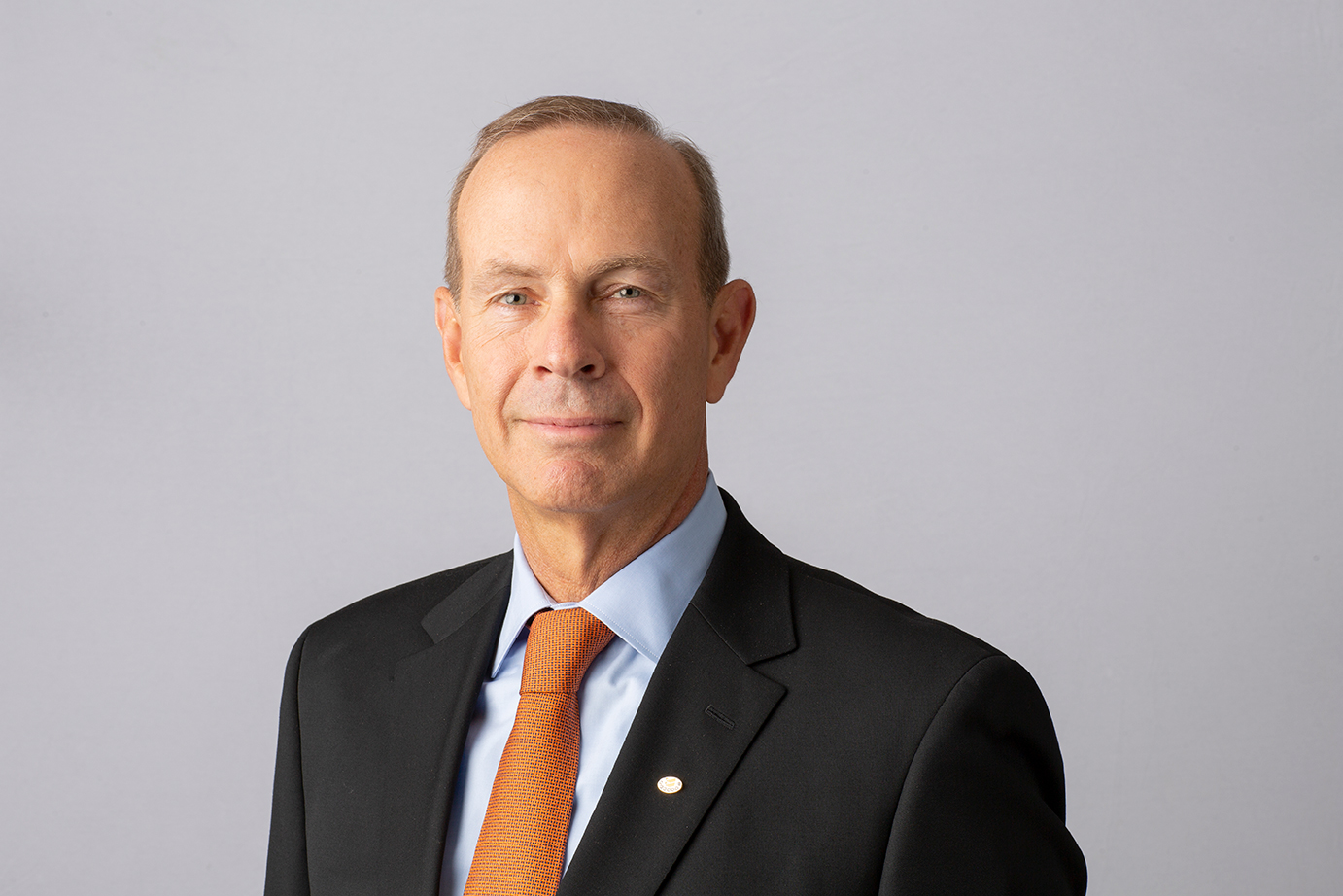
Chevron CEO Mike Wirth
The two U.S. supermajors more than doubled net income during the quarter, benefiting from higher crude prices and exceptionally strong refining margins following prolonged disruptions to global energy markets.
ExxonMobil reduced net debt by more than $7 billion, while Chevron cut debt by a record $8.4 billion, lowering its net debt-to-cash flow ratio by more than half. European peers Shell and TotalEnergies also prioritized debt reduction over larger shareholder distributions during the quarter.
The strategy reflects continued caution despite elevated oil prices, as uncertainty persists over conflicts in the Middle East and Ukraine and the outlook for global crude supplies.
ExxonMobil reported second-quarter profit of $14.7 billion, its highest since 2022, despite narrowly missing analyst expectations because of refinery maintenance. During an earnings call, CEO Darren Woods said he expects the Strait of Hormuz will eventually reopen but declined to predict when.
“We’re convinced that it will come to be at some point in the future,” Woods said. “It’s too critical to the overall health of the world economy.”
Chevron posted the highest quarterly profit in its history as production rose 20% to 4.07 MMbpd, supported by higher output from the Gulf of America, Kazakhstan and assets acquired through its Hess transaction. While the company modestly increased share repurchases, CFO Eimear Bonner said maintaining a strong balance sheet remains a priority given today’s volatile operating environment.
Executives at both companies also pointed to continued strength in refining margins. Woods said available global refining capacity remains historically tight, while Chevron CEO Mike Wirth expects product markets to remain constrained into the third quarter and potentially beyond.
Despite OPEC+ production increases, ongoing geopolitical disruptions and constrained refining capacity continue to support elevated crude and refined product prices, reinforcing the industry’s cautious approach to capital allocation.
Reporting by Kevin Crowley, Mitchell Ferman, Bloomberg. Edited for length.
About The Author