(Bloomberg) – ExxonMobil Holdings Corp. has told Kazakhstan that a potential $80 billion joint investment to expand the Kashagan oil field is contingent on resolving a long-running $150 billion dispute between the government and international companies, according to people familiar with the matter.
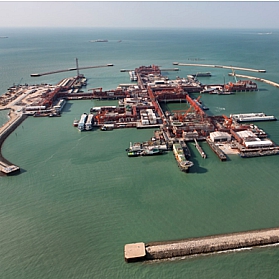
Image: EIA
The proposed investment, in an equal joint venture with state-owned KazMunayGas National Co., would tap the undeveloped western part of the massive Kashagan oil reservoir, potentially producing as much as 600,000 bpd, the people said, asking not to be named because the information is private.
In talks with Kazakh officials, the U.S. oil major has linked this potential investment to the resolution of disputes between the Kashagan partners and the government, the people said. This relates to the state’s claims for about $150 billion mostly for lost revenue during development delays, which is subject to international arbitration, and a $5 billion environmental fine.
While KazMunayGas has agreed with Exxon’s proposal, the plan would still need to get political approval, which is not certain, the people said.
Exxon and KazMunayGas declined to comment. Kazakhstan’s Energy Ministry declined to comment.
When the Kashagan deposit was found in 2000 it was the largest oil discovery in decades. Italy’s Eni SpA, the field’s operator at the time, expected it to eventually pump as much as 1.5 MMbpd, but there were numerous delays and cost overruns during the complicated development process.
Output from the developed eastern portion of Kashagan is currently about 450,000 barrels a day. The North Caspian Operating Co., the joint venture that operates the project, expects to boost production to about 500,000 bpd this year and as much as 710,000 bpd by 2031.
About 1 Bbbl out of an estimated 16 Bbbls of total recoverable reserves have been extracted from Kashagan in its first decade in operation, according to the government. Exxon is seeking to unlock about 10 billion of these barrels from the western Kashagan development, according to people familiar with the matter. Bloomberg first reported the company’s initial proposal last year.
In Exxon’s plan, other oil majors that are currently partners in Kashagan would be offered minority stakes in the new joint venture, the people said. Companies that joined the new development would be released from the claims related to the sulfur fine when the venture was formed, and from remaining claims at the final investment decision, the people said.
Any company that declined the offer would be released by Kazakhstan from the claims, provided they do not dispute the new joint venture’s right to develop the western portion of the field, the people said. These firms also wouldn’t be able to extend their part of the existing license for eastern Kashagan after it expires in 2041, the people said.
The development concept for an Exxon-led project to commercialize western Kashagan may cost $250 million, the people said. The front-end engineering and design would require further spending of about $2 billion from 2028, they said, adding that the plan implies start of development after the final investment decision in 2030.
Exxon is one of the major partners in NCOC alongside Eni, Shell Plc, TotalEnergies SE, KazMunayGas, China National Petroleum Corp. and Inpex Corp.
Eni has separately approached Kazakhstan’s government sending signals it wishes with some other unnamed partners to develop western Kashagan’s oil resources, the people said.
Shell, TotalEnergies, Inpex and NCOC declined to comment. CNPC didn’t respond to a request for comment. Eni didn’t immediately respond to a request for comment.
About The Author