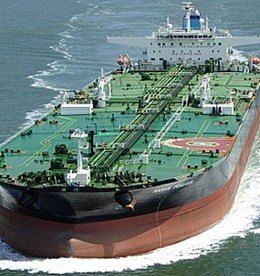
(WO) — Global oil markets could remain physically tight for months even if a diplomatic resolution to the Iran war is reached soon, according to Kojo Orgle, oil, gas and NGL analyst at ICIS, who said prolonged disruptions tied to the Strait of Hormuz are increasingly pressuring inventories, shipping flows and refinery supply chains.
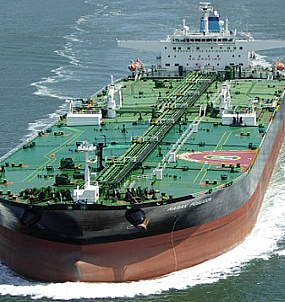
Speaking with World Oil, Orgle said commercial and strategic reserves have so far prevented a more severe crude price spike, but warned that tightening balances are beginning to emerge as pre-war cargoes are exhausted and transit disruptions persist.
“We are depleting commercial and strategic reserves at an unprecedented rate,” Orgle said. “That’s been the primary buffer preventing prices from moving significantly higher.”
Orgle said ICIS estimates global inventories have been drawn down aggressively since the conflict escalated, shielding markets from what could otherwise become a much sharper supply shock. “That’s what’s been preventing prices from moving toward $175 per barrel, which is very possible if this situation continues,” he said.
The analyst warned that sustained prices near that level could trigger broader economic fallout and widespread demand destruction across transportation and industrial sectors.
“Consumers are showing they’re not as resilient to these surges in prices,” Orgle said. “If prices do reach those $175 levels, we could see complete demand destruction where prices are eventually forced lower because demand collapses.”
According to Orgle, the market initially avoided major shortages because vessels already in transit before the Strait disruption continued delivering cargoes into global markets for several weeks. Now, however, those supplies have largely reached their destinations while inventories continue to decline.
“We’re actually starting to see things tighten,” he said.
Despite the tightening market, Orgle said ICIS’ base-case scenario still assumes some form of diplomatic resolution could emerge in the coming weeks, partly driven by growing economic pressure on both the U.S. and Iran, as well as China’s strong interest in restoring Persian Gulf supply flows.
Even if tensions ease soon, however, Orgle warned that market normalization would likely take substantially longer as tankers reposition, insurance markets stabilize and Gulf producers restore disrupted output.
“Even if we do have a resolution by the end of this month, physical tightness could last closer to three-plus months,” Orgle said.
The analyst also pointed to growing fragmentation within OPEC+, arguing that geopolitical tensions and supply security concerns are weakening the group’s ability to stabilize markets.
“I think OPEC+ has lost a lot of its power,” Orgle said. “You’re going to see countries that will do what’s best for them in their own interest.”
Orgle added that prolonged instability in the Persian Gulf could accelerate a broader reassessment of global crude sourcing strategies, potentially benefiting Atlantic basin producers—particularly the U.S.—as buyers seek to diversify away from Hormuz-dependent barrels.
About The Author