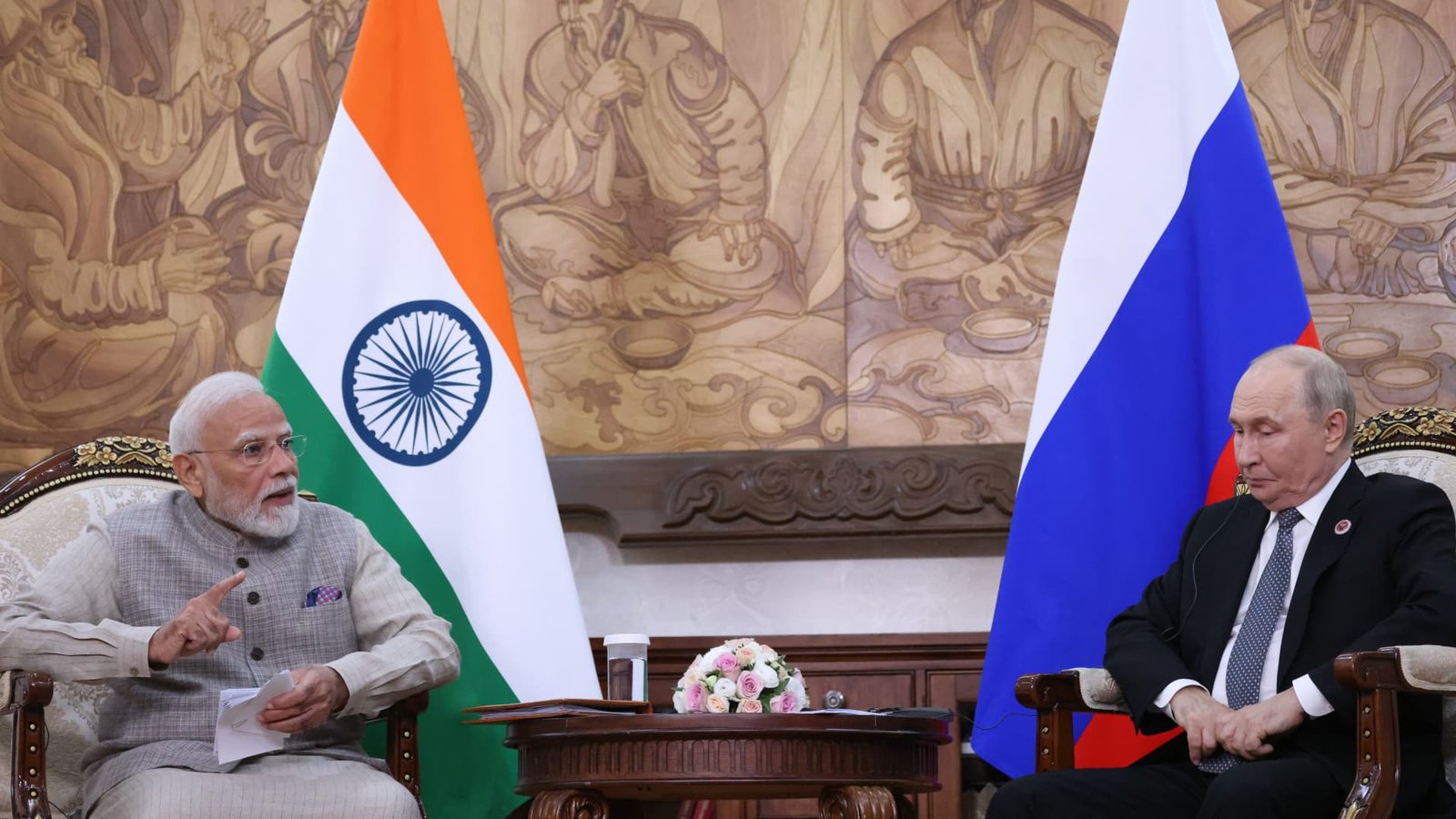
BISHKEK, KYRGYZSTAN – AUGUST 31: Russian President Vladimir Putin (R) istens to Indian Prime Minister Narendra Modi (L) during the Shanghai Cooperation Organization Summit on August 31, 2026 in Bishkek, Kyrgyzstan.
Contributor | Getty Images News | Getty Images
Indian Prime Minister Narendra Modi has urged Russia to end the Ukraine war and for a cessation of hostilities during his meeting with Russian President Vladimir Putin on the sidelines of the Shanghai Cooperation Organization summit on Monday.
“India supports all peace efforts inthis area [Ukraine war], andwe will continue todo so,” Modi said, adding that “we must move from endless war totheend ofwar, tothecessation ofhostilities.”
“Every day that thewar continues, humanity takes astep backwards,” Modi said.
On Monday, Russia’s Defense Ministry said it is planning “massive strikes” on Ukraine’s energy infrastructure, days after launching a devastating attack on an ammunition warehouse, amplifying fears of anotherwinter assault.
Russian strike on the warehouse is among its deadliest attacks in Ukraine so far, with a death toll of 38. Russian attacks on Ukraine’s energy infrastructure during winter pose Kyiv’s toughest challenge of the war yet, as per officials and national security experts.
Meanwhile, later this month, the U.S. House is expected to pass a bill honoring Lindsey Graham that would impose up to 100% tariffs on countries that are among the top five purchasers of Russian crude oil or gas, including China and India.
Russia is India’s largest crude supplier, accounting for more than 50% of the country’s oil imports in June and July and nearly 43% till August 24. Between April and July, Russian exportsto India rose to over $34 billion, up nearly 60%from last year, as per India’s latest trade data.
During the meeting with Modi, Putin commended the growth in bilateral trade between the two countries but added that “last year saw aslight decline.”
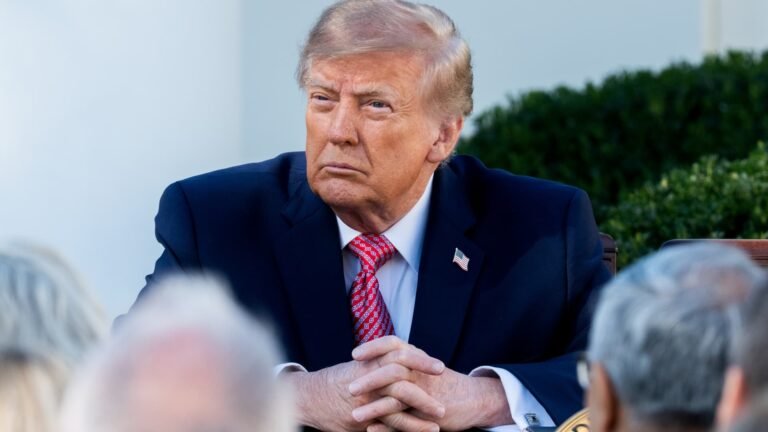
U.S. President Donald Trump imposed punitive tariffs of 25% on India in August 2025 for its energy trade with Russia, taking the total levy on Indian exports to the U.S. to 50%.
While the tariffs on India have been reduced to 18% earlier this year, the U.S. has been keen to increase the supply of Venezuelan crude to India to replace the Russian barrels.
About The Author