Investors question data center loan valuations after latest Nvidia financing move
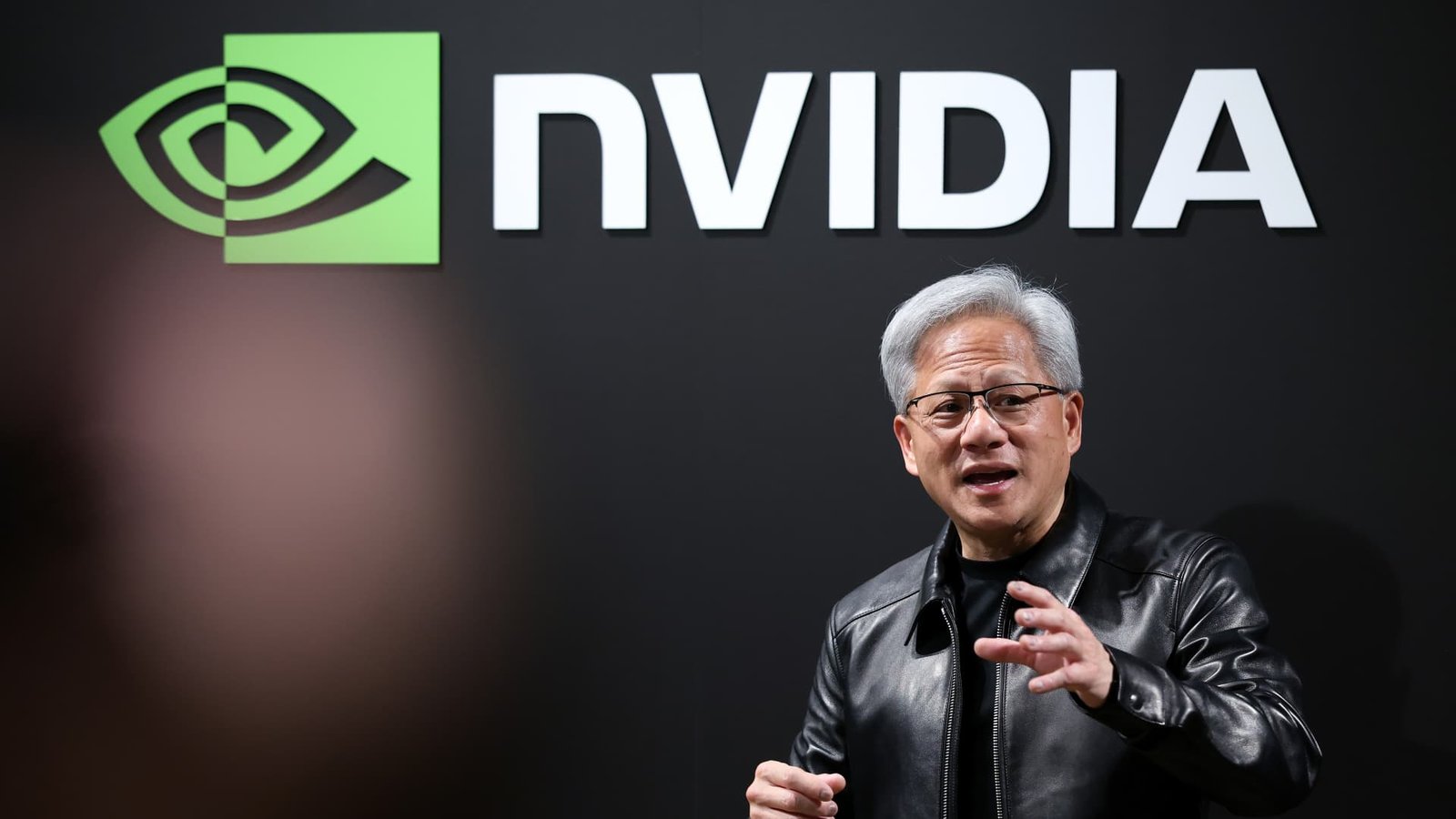
The biggest names in finance gave their blessing to the AI computing buildout this week, partnering with chipmaker Nvidia to promote the company’s computing capacity as an ” investable asset class .” Larry Fink, CEO of BlackRock, one of Nvidia’s financing partners, compared Nvidia’s computing power assets to the “mortgage-backed securities market in the 1970s.” The financing announcement immediately raised questions about more circular financing , but investors say the bigger issue is how exactly to value the assets that will be used as collateral for investments that are already straining the resources of capital markets . While auto loans and residential mortgages are long-established assets for the pools of debt known as asset-backed securities (ABS), instruments based on computing capacity are a lot trickier to underwrite, investors say. Little experience “The question is how to underwrite and value data center-backed loans. These metrics are hard to establish given the extraordinarily short term experience we have had with the asset class,” Dan Alpert, a founding managing partner of Westwood Capital, told CNBC. Wells Fargo traders said in a Tuesday note that Nvidia’s agreements with financial titans like KKR , Blackstone and Apollo amount to a form of insurance for investors who are “less familiar and comfortable with GPU collateralization,” referring to graphics processing units. “One outstanding question is whether this all means that AI factory loans will eventually become repackaged into [a] collateralized loan market,” like ABS, mortgage-backed securities or collateralized loan obligations, the Wells Fargo traders said. Nvidia shares dropped 3% Monday following the announcement, were little changed on Tuesday, and up about 2.7% in midday trading Monday. NVDA 5D mountain NVDA 5 day. Data centers burn through high-priced GPUs in only a few years, so the question of depreciation rates and the lifespan of data centers is top of mind for investors. There’s also the issue of additional computing capacity coming online from international competitors, particularly China. “We know that these GPUs depreciate on only a five- or six-year schedule,” Paul Meeks, head of technology research at Freedom Capital Markets, said. “Even within technology, it’s an emerging market where we don’t get the final scorecard until probably years from now.” Investors are being reminded of other attempts to turn technology infrastructure booms into asset classes to attract investment. “Are data center-backed loans ‘cheap’ in ABS terms? Or are they the next fiber optic cable-backed loans – see Global Crossing ,” Dan Alpert said, referring to a major telecommunications bankruptcy during the dot-com boom that sought to turn fiber-optic cables into investable assets. Famed investor Michael Burry said on Tuesday that the Nvidia credit agreements had “shades of Enron .” “This also has shades of Enron’s effort to make wholesale power an investable class,” Burry wrote on Substack. “Structuring unnatural credits to prolong momentum late in the bull phase is where the worry comes in.”