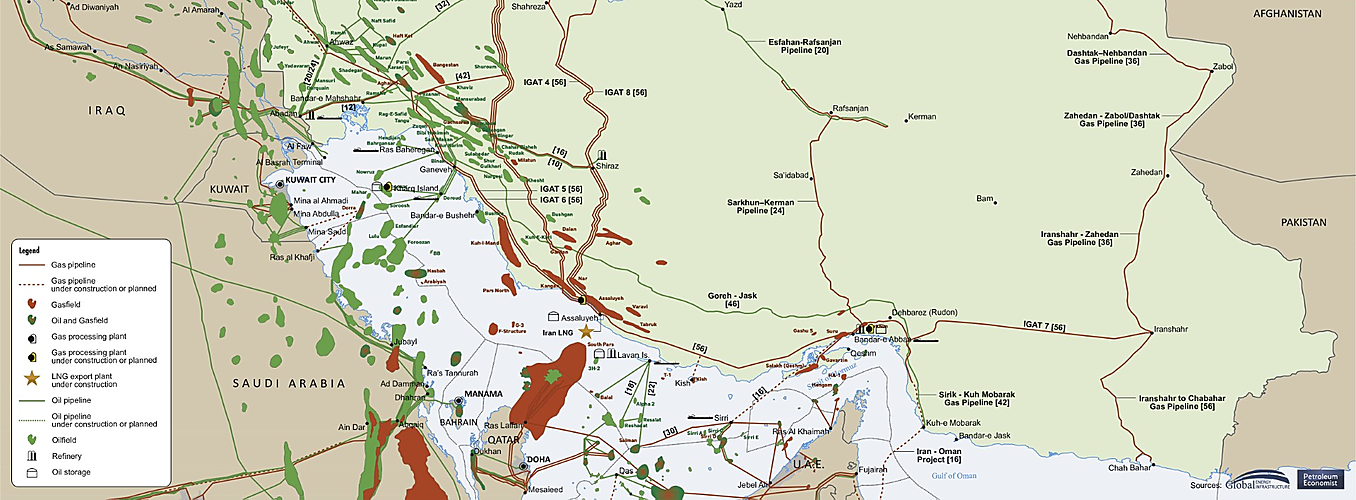
(Bloomberg) — Iran has submitted a response to the latest U.S. proposal aimed at ending the 10-week conflict that has disrupted global energy markets and sharply curtailed shipping through the Strait of Hormuz.
Iran’s state-run IRNA news agency confirmed the response but did not provide details, and Tehran has not publicly indicated whether it will accept the proposal. The U.S. plan reportedly calls for Iran to allow shipping traffic through Hormuz in exchange for Washington easing its blockade on Iranian ports within the next month.
The conflict, which began with U.S.-Israeli strikes on Iran in late February, has severely disrupted crude and LNG flows through the region and pushed energy prices sharply higher.
Despite a ceasefire officially in place since April 8, security incidents have continued across the Gulf region. A drone strike briefly set a cargo vessel ablaze off Qatar over the weekend, while the UAE and Kuwait reported intercepting hostile drones.
Iran also warned the UK and France against increasing naval activity in the Strait of Hormuz, saying foreign military presence in the waterway would trigger a “decisive and immediate response.”
Before the conflict, roughly one-fifth of global oil and LNG supplies moved through Hormuz. Shipping activity remains heavily constrained, though some cargoes have continued moving through the region despite elevated risks.
Saudi Aramco warned Sunday that even if the strait reopened immediately, market normalization could take months. CEO Amin Nasser said prolonged shipping restrictions could extend supply disruptions into 2027.
Meanwhile, Qatar exported its first LNG cargo through Hormuz since the conflict began, according to ship-tracking data compiled by Bloomberg. The cargo was reportedly headed to Pakistan, which has played a role in mediating discussions between Washington and Tehran.
Bloomberg also reported last week that Saudi Aramco and ADNOC have continued moving limited crude cargoes through the strait, while Saudi Arabia has redirected some exports through Red Sea pipeline routes.
Oil prices remain volatile as markets react to both diplomatic developments and continued shipping threats. Brent crude settled near $101 a barrel Friday after falling roughly 6% for the week.
U.S. Energy Secretary Chris Wright signaled Sunday that reopening Hormuz may take priority over immediate resolution of Iran’s nuclear program, suggesting an interim agreement could still be possible.
About The Author