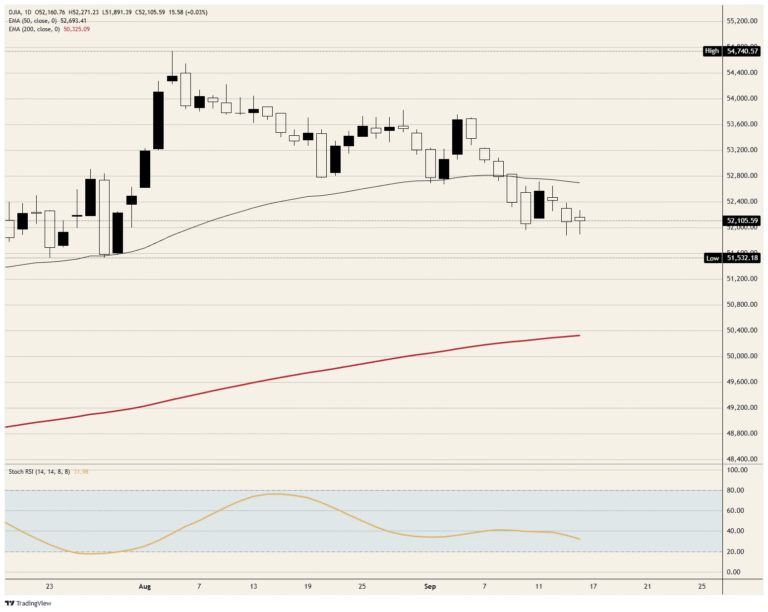
Here’s a brief recap of the key developments in the Middle East war that occurred over the weekend, which are expected to have a significant impact on markets in the upcoming week.
- The US paused its two-week bombing campaign against Iran late on Friday, prompting Tehran to suspend its retaliatory attacks against Washington’s allies in the Middle East for a second night.
- US ambassador to the United Nations Mike Waltz said that while forces remained locked and loaded, President Donald Trump wants to give negotiations a little bit of room.
- According to Reuters, a senior Iranian official said that “Iran’s position remains ‘attack for attack’: if the attacks stop, Iran will also halt its operations and the message has already been conveyed to the US.”
- Shipping data showed that traffic through Bab el-Mandeb fell on 26 July after Iran-backed Houthis in Yemen attacked Saudi oil installations along the coast of the Red Sea, while transit through the Strait of Hormuz stayed low over the weekend.
- Another front emerged in the Caspian Sea, where Iran accused Ukraine of attacking an Iranian commercial vessel.
Market implications
Crude oil prices tumbled over 5% at the week’s open in reaction to the latest developments surrounding the Middle East crisis, which revived hopes for diplomacy to end the conflict. Furthermore, weaker oil prices eased inflation fears and tempered US Federal Reserve (Fed) rate-hike bets, dragging the safe-haven US Dollar (USD) away from the monthly high, retested last week.
Risk sentiment FAQs
In the world of financial jargon the two widely used terms “risk-on” and “risk off” refer to the level of risk that investors are willing to stomach during the period referenced. In a “risk-on” market, investors are optimistic about the future and more willing to buy risky assets. In a “risk-off” market investors start to ‘play it safe’ because they are worried about the future, and therefore buy less risky assets that are more certain of bringing a return, even if it is relatively modest.
Typically, during periods of “risk-on”, stock markets will rise, most commodities – except Gold – will also gain in value, since they benefit from a positive growth outlook. The currencies of nations that are heavy commodity exporters strengthen because of increased demand, and Cryptocurrencies rise. In a “risk-off” market, Bonds go up – especially major government Bonds – Gold shines, and safe-haven currencies such as the Japanese Yen, Swiss Franc and US Dollar all benefit.
The Australian Dollar (AUD), the Canadian Dollar (CAD), the New Zealand Dollar (NZD) and minor FX like the Ruble (RUB) and the South African Rand (ZAR), all tend to rise in markets that are “risk-on”. This is because the economies of these currencies are heavily reliant on commodity exports for growth, and commodities tend to rise in price during risk-on periods. This is because investors foresee greater demand for raw materials in the future due to heightened economic activity.
The major currencies that tend to rise during periods of “risk-off” are the US Dollar (USD), the Japanese Yen (JPY) and the Swiss Franc (CHF). The US Dollar, because it is the world’s reserve currency, and because in times of crisis investors buy US government debt, which is seen as safe because the largest economy in the world is unlikely to default. The Yen, from increased demand for Japanese government bonds, because a high proportion are held by domestic investors who are unlikely to dump them – even in a crisis. The Swiss Franc, because strict Swiss banking laws offer investors enhanced capital protection.
About The Author