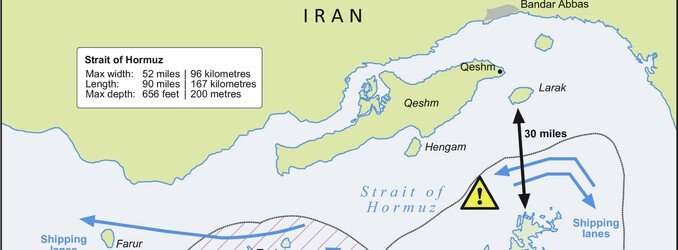
(Bloomberg) – Oil fell after both the U.S. and Iran signaled that discussions to restore shipping through the Strait of Hormuz are ongoing, raising hopes for a pickup in supply from the Middle East.
West Texas Intermediate lost about 5%to settle at around $80 a barrel.The specifics of the talks remain murky: Iran suggested negotiations with Oman to create a “temporary” route through Hormuz aremaking progress but it was not in discussions with the US. Meanwhile, U.S. President Donald Trump said on Monday that the two countries are in talks about opening the strait “literally by tomorrow.”
Trump added that current negotiations are Iran’s “last chance” after he called off what he said was a major attack.
There’s no sign the Islamic Republic is willing to allow vessels free passage through the strait, which before the war carried about a fifth of the world’s oil supply. However, the rhetoric helped ease concerns about broad-based attacks on energy assets in the Middle East.
“The market read for crude oil is overly bearish, as to be expected with the asymmetric downside sensitivity to headlines, but we anticipate the market may be quickly disappointed when the flows don’t surge like they did post MoU,” said Ryan McKay, senior commodity strategist at TD Securities.
The U.S. benchmark swung through a roughly $26 range last month as fighting resumed following the collapse of a June truce and memorandum of understanding, and the conflict expanded to the Red Sea. The U.S. pulled back on daily strikes in late July.
While some ships are continuing to cross Hormuz, there’s still a significant threat to vessels in the waterway. UK Maritime Trade Operations said a tanker off Oman reported an explosion in close proximity on Sunday, highlighting the persistent risks for shipping.
European natural gas also pared losses after falling as much as 6.3% in early trading.
Meanwhile, Gulf producers continue to seek alternative export routes. Turkey and Iraqagreed to extend an expired oil pipeline deal by one year that would be able to export as much as 750,000 bpd, according to Iraq’s Oil Ministry.
Elsewhere, Kazakhstan’s Energy Ministry said the Caspian Pipeline Consortium continues to operate with oil intake at 100,000 tons a day from Aug. 1 after a temporary suspension on Friday. While CPC will allow vessels to load from its terminal on Russia’s Black Sea coast, the pace of exports will also depend on whether tankers are willing to risk the journey.
A series of drone attacks on tankers loading at or near the facility has disrupted flows from the CPC, the main export route for Kazakh crude that’s widely used by European refineries.
About The Author