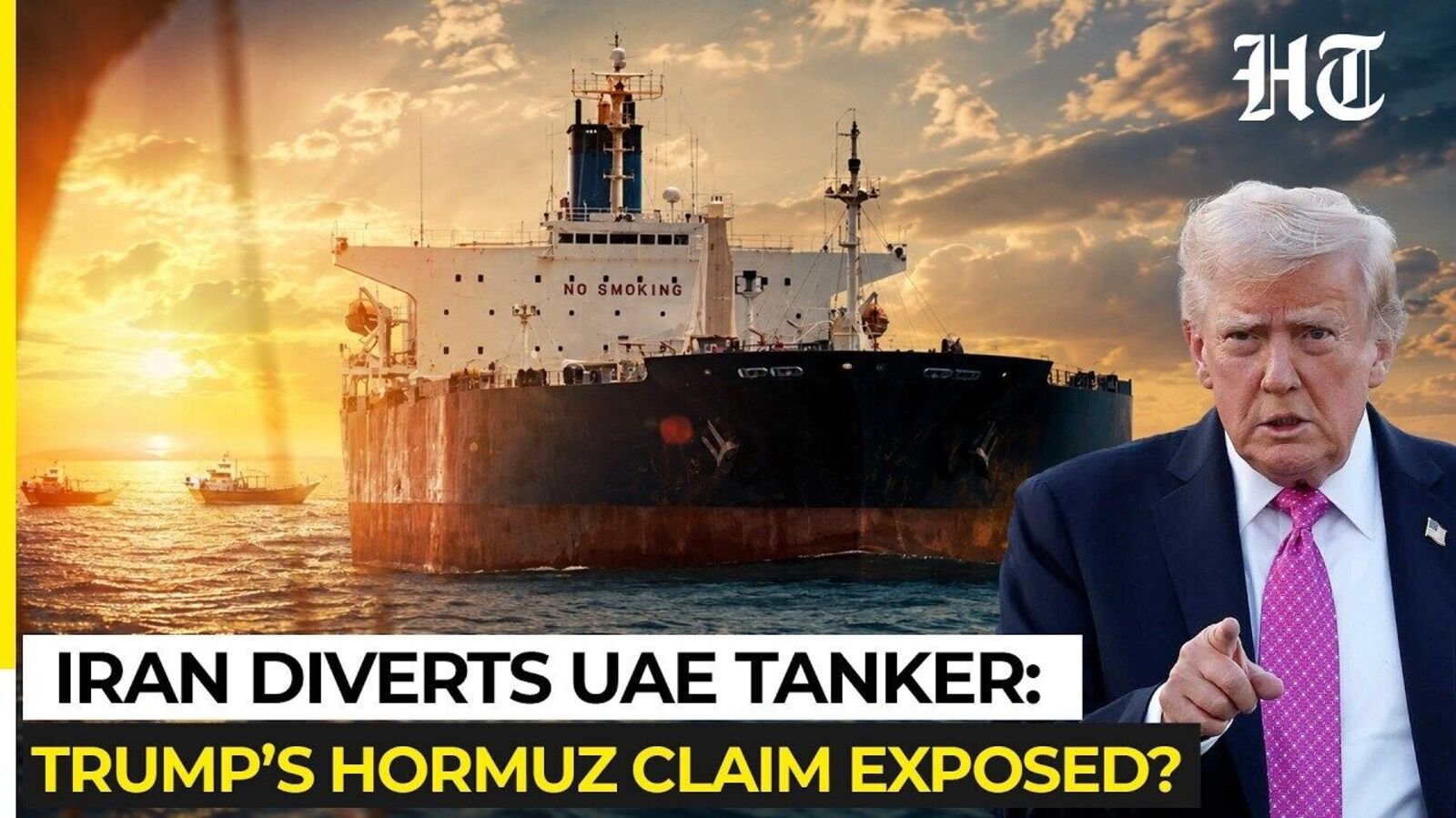
(Bloomberg) — Oil rose to the highest in almost three weeks, as US refiners ramped up crude consumption and a spat between the United Arab Emirates and Iran heightened regional tensions.
Brent futures traded near $92 a barrel after the UAE said it was cutting all economic ties with Tehran after accusing Iran of firing ballistic missiles at its territory. The latest escalation came after US President Donald Trump insisted there were no talks ongoing with Iran to end the war that has upended energy markets.
“A combination of the escalation between the UAE and Iran, coupled with a market increasingly pricing a ‘closed for longer scenario,’ keeps oil and refined products supported,” said Arne Lohmann Rasmussen, chief analyst at Global Risk Management.
Fresh US government data, meanwhile, indicated that refinery runs rose to their highest since September 2019, led by the Gulf Coast. That may explain why prices edged higher on the report, even as domestic crude stockpiles rose 4.4 million barrels last week.
Further offering a floor to prices, distillate inventories fell 1.5 million barrels to the lowest in more than a month, according to the US Energy Information Administration report. Fuel prices, especially diesel, have rallied much harder than oil, as the war between Russia and Ukraine has also contributed to tighter energy markets following attacks on refineries. That’s heaping cost pressure onto drivers, truckers and farmers.
The margin for making diesel from crude oil in the US has topped $100 a barrel, setting all-time highs. In Europe, gasoil futures have more than doubled this year.
Elsewhere, three supertankers linked to China U-turned in the Strait of Hormuz, highlighting how risks remained elevated in the critical chokepoint. On Tuesday, the UK said a vessel leaving the strait was hit by a projectile, causing one casualty.
Still, Persian Gulf producers have continued to covertly shuttle oil through Hormuz to reach global users, helping to contain prices that are far from the high levels many feared at the onset of the war if the turmoil dragged on into the summer. As a 60-day ceasefire between the US and Iran expired, some traders unwound long bets to avoid getting wrong-footed by a sudden de-escalation, also helping to subdue prices.
To get Bloomberg’s Energy Daily newsletter in your inbox, click here.
–With assistance from Rong Wei Neo and Mia Gindis.
(Corrects text in price box to say oil prices rose, not fell.)
More stories like this are available on bloomberg.com
About The Author