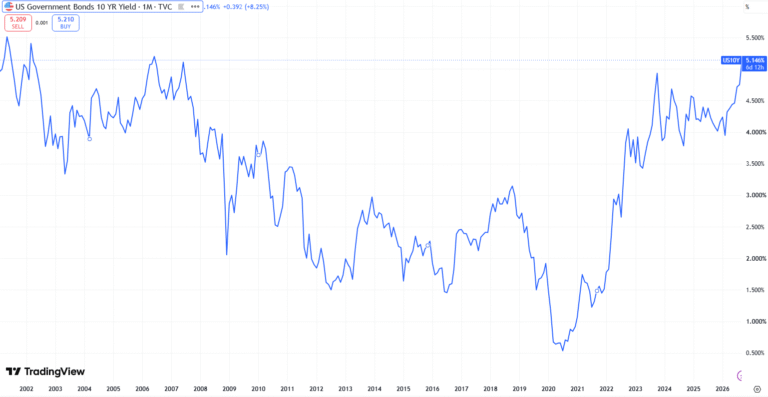
The Federal Reserve raised interest rates by a quarter of a percentage point this month and officials signaled that another hike is possible later this year; now is the time to work on your credit.
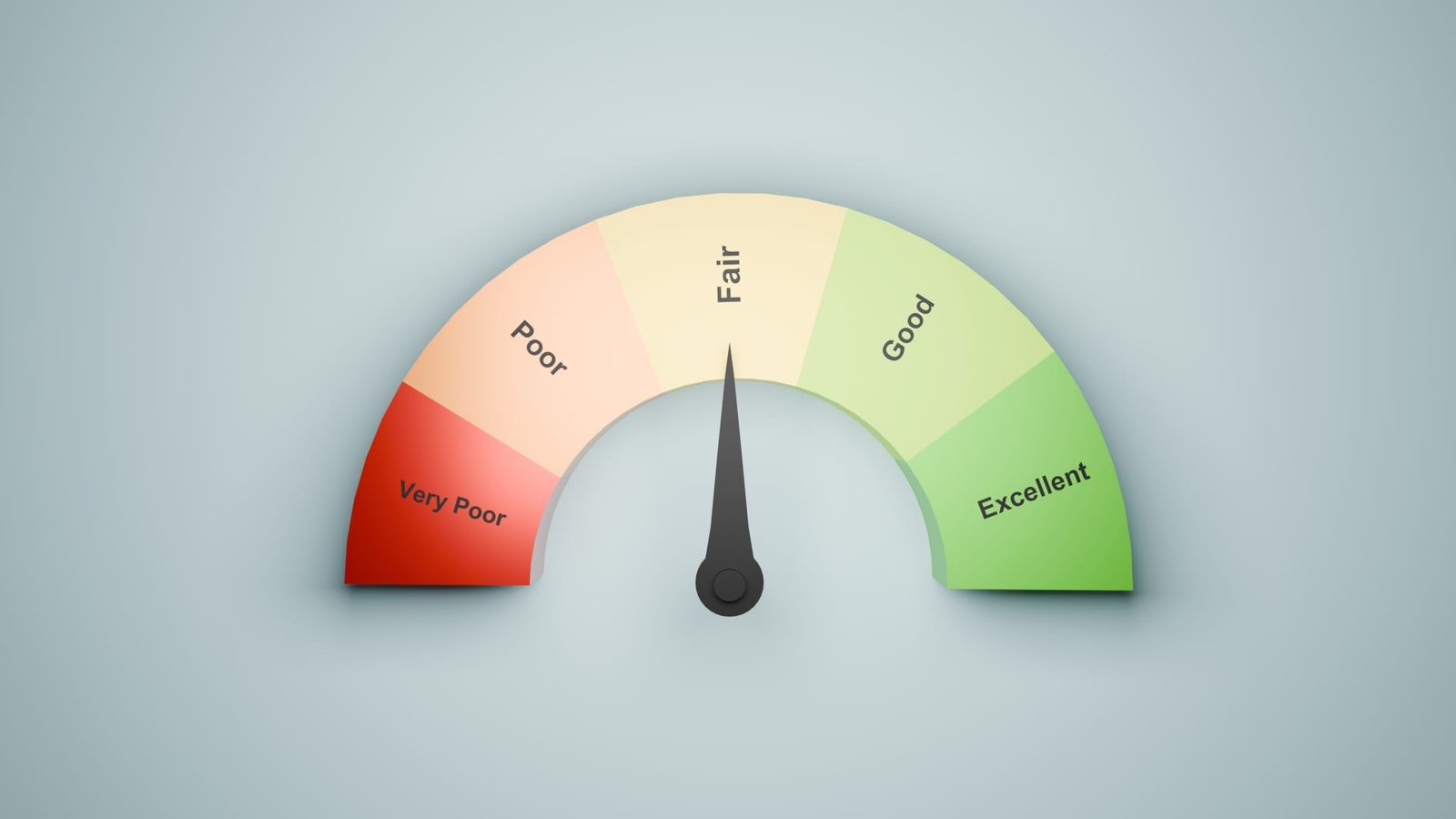
Your credit score — a three-digit number between 300 and 850 — is a key player in determining how much it will cost you to borrow money. Typically, the higher your score, the lower your rate.
This is true no matter what the federal funds rate is, or the rate at which banks borrow and lend to each other overnight. While consumers don’t pay that rate directly, it trickles down to the Annual Percentage Rates (APR) you’ll see when borrowing money, from credit card accounts to auto loans and mortgages.
As the Federal Reserve raises the federal funds rate, obtaining credit gets more expensive for all consumers. Therefore, raising your credit score is one of the best moves you can make to get the lowest rates possible.
Data from a LendingTree study published in September found that the difference between the total interest paid by fair credit borrowers (those with a score between 580 and 669) and very good credit borrowers (those with a score from 740 to 799) was $42,950. This amount is the total ofcredit card, personal loan, auto loan and mortgage debt paid over their full terms.
Additionally, even those who increased their score from good (670 to 739) to very good (740 to 799) stand to benefit: The study expected this group to save $20,530 over the life of the four loan types combined.
While raising your credit score is a smart move anytime, it can be even more beneficial when interest rates rise. Below, CNBC Select rounds up tips to increase your credit score and the tools to help you.
Talk to us
Are you living paycheck to paycheck, or do you have a financial success you’re comfortable sharing with a reporter? Please fill out this quick form.
Tools to raise your credit score
Use a budgeting app to keep your payments on track
If you’re not tracking which payments are due when, you could be hurting your credit score. Missing a payment by 30 days can drop your score by around 100 points, according to Chase. While putting your bills on autopay might sound nice, it’s not always an option for people who don’t have much room in their budget.
Some apps can help you plan for expected expenses and budget your funds so that everything gets paid in full and on time.
PocketGuard offers a payment tracking service that can help you stay on top of your bills and create a budget. It also has a free tier that lets you try the app with no commitment.
PocketGuard
Information about PocketGuard has been collected independently by CNBC Select and has not been reviewed or provided by PocketGuard prior to publication.
-
Cost
Basic PocketGuard plan is free, while PocketGuard Plus subscription is $12.99 per month or $74.99 annually. Lifetime membership offer available at a reduced rate.
-
Standout features
In My Pocket feature uses your income, recurring expenses and savings goals to determine how much you have for everyday spending.
-
Categorizes your expenses
Yes, but users can customize
-
Links to accounts
Yes, users canconnect accounts through Plaid and Finicityto import data automatically or manually add cash accounts for tracking
-
Availability
Offered in both the App Store (for iOS) and on Google Play (for Android)
-
Security features
PocketGuard utilizes bank-level encryption, PINs and biometrics like Touch ID and Face ID
-
Availability
Offered in both the App Store (for iOS) and on Google Play (for Android)
Quicken Simplifi can also help you see a snapshot of your spending and bills, and help you manage the money you have leftover after your expenses are paid.
Quicken Simplifi
-
Cost
50% off limited-time offer: $3.49 per month for the first year, then $6.99 per month (billed annually). Seven-day free trial
-
Standout features
Lets users run fully customizable reports based on their spending, income and savings. Offers a personalized spending plan that adjusts in real time
-
Categorizes your expenses
Yes, but users can modify
-
Links to accounts
Yes, bank, credit cards, investments and loans
-
Availability
Offered in both the App Store (for iOS) and on Google Play (for Android)
-
Security features
Financial data from bank servers transmitted using 256-bit encryption
Add your on-time payments to your score
Not every bill you pay is automatically reported to the credit bureaus that manage credit scores. Things like rent, utilities and even internet bills can help to boost your score if paid on time consistently. To get those expenses on your report, you’ll need a service like *Experian Boost.
Experian Boost is free to use and users have reported seeing their average FICO® Score, which is one type of credit score, increase 13 points, according to the company.
Experian Boost®
-
Cost
-
Average credit score increase
13 points, though results vary
-
Credit report affected
-
Credit scoring model used
Results will vary. See website for details.
Pay down revolving balances
Revolving account balances, or accounts where you can borrow and pay off debt up to a certain limit like credit cards, can have a big impact on your credit utilization rate — the amount of revolving credit you’re using divided by your total available revolving credit. Having a lower credit utilization rate can help raise your credit score. Paying off the balances on your revolving accounts can lower that ratio.
Using a 0% APR credit card could help you pay down balances for a period of time without interest. We like the Wells Fargo Reflect® Card, which offers 21 months from account opening of a 0% introductory APR on purchases and qualifying balance transfers (and a 17.49%, 23.99% or 28.24% variable APR afterward; balance transfers made within 120 days qualify for the intro rate, BT fee of 5%, min: $5).
The Wells Fargo Reflect® Card is one of the absolute best cards you can apply for if you want to save on interest and pay down debit quickly thanks to its extra generous intro-APR offer on purchases and qualifying balance transfers.
- Incredible intro-APR for purchases and qualifying balance transfers
- No annual fee
- Cell phone insurance: up to $600 of cell phone protection against damage or theft. Subject to a $25 deductible
- No rewards
- No welcome bonus
- High balance transfer fee
Highlights
Highlights shown here are provided by the issuer and have not been reviewed by CNBC Select’s editorial staff.
- Apply Now to take advantage of this offer and learn more about product features, terms and conditions.
- 0% intro APR for 21 months from account opening on purchases and qualifying balance transfers. 17.74%, 24.24%, or 28.49% variable APR thereafter; balance transfers made within 120 days qualify for the intro rate, BT fee of 5%, min: $5.
- $0 annual fee.
- Up to $600 of cell phone protection against damage or theft. Subject to a $25 deductible.
- Through My Wells Fargo Deals, you can get access to personalized deals from a variety of merchants. It’s an easy way to earn cash back as an account credit when you shop, dine, or enjoy an experience simply by using an eligible Wells Fargo credit card.
Balance transfer fee
Foreign transaction fee
The Chase Freedom Unlimited® (seerates and fees)is another strong option. This card has a 0% intro APR for 15 months from account opening on purchases and balance transfers (18.24% to 27.74% variable APR afterward).
The Chase Freedom Unlimited® is a no-annual-fee card that earns generous cash-back on everyday purchases and a lucrative welcome bonus. Plus, if you pair it with a premium Chase credit card that allows point transfers, you can convert your cash back into flexible travel rewards.
- Users get a high rewards rate and strong welcome bonus
- Purchases and balance transfers receive an intro APR
- No annual fee
- Has a foreign transaction fee
- Few rewarding ongoing benefits
Highlights
Highlights shown here are provided by the issuer and have not been reviewed by CNBC Select’s editorial staff.
- Earn a $200 Bonus after you spend $500 on purchases in your first 3 months from account opening
- Enjoy 5% cash back on travel purchased through Chase TravelSM, our premier rewards program that lets you redeem rewards for cash back, travel, gift cards and more; 3% cash back on drugstore purchases and dining at restaurants, including takeout and eligible delivery service, and 1.5% on all other purchases.
- No minimum to redeem for cash back. You can use points to redeem for cash through an account statement credit or an electronic deposit into an eligible Chase account located in the United States!
- Enjoy 0% Intro APR for 15 months from account opening on purchases and balance transfers, then a variable APR of 18.24% – 27.74%.
- No annual fee – You won’t have to pay an annual fee for all the great features that come with your Freedom Unlimited® card
- Keep tabs on your credit health, Chase Credit Journey helps you monitor your credit with free access to your latest score, alerts, and more.
- Member FDIC
Balance transfer fee
Intro fee of either $5 or 3% of the amount of each transfer, whichever is greater, in the first 60 days. After that, either $5 or 5% of the amount of each transfer, whichever is greater.
Foreign transaction fee
3% of each transaction in U.S. dollars
Check your credit report for errors
If you haven’t browsed a copy of your credit report, now is the time. After all, a 2024 study by Consumer Reports and WorkMoney found that 44% of Americans found at least one error on their reports, with 34% finding serious issues. Those types of errors can lower your score, and make borrowing more expensive.
To get a copy of your credit report, visit annualcreditreport.com, the website established by federal law to distribute credit reports from all three credit bureaus. Some credit cards also have this perk, but this tool available to anyone.
You can also sign up for a credit monitoring service, like Experian IdentityWorks, which tracks your score and sends you regular updates. It can also help you scan the dark web for leaked personal information.
Experian IdentityWorks℠
-
Cost
Basic: Free; Premium: 7-day trial, after $24.99 per month; Family: 7-day trial, after $34.99 per month
-
Credit bureaus monitored
1-bureau credit monitoring, alerts and reports: Experian, with Basic plan only and 3-bureau credit monitoring, alerts and reports: Experian, Equifax and TransUnion®, with Premium and Family plans only
-
Credit scoring model used
FICO® Score 8, with all plans
-
Dark web scan
-
Identity theft insurance
Yes, up to $1 million with all plans
*Identity Theft Insurance underwritten by insurance company subsidiaries or affiliates of American International Group, Inc. (AIG). The description herein is a summary and intended for informational purposes only and does not include all terms, conditions and exclusions of the policies described. Please refer to the actual policies for terms, conditions, and exclusions of coverage. Coverage may not be available in all jurisdictions.
If you find inaccurate data, you’ll need to dispute it directly with the credit bureau reporting the issue. The Consumer Financial Protection Bureau’s templates can help you fill in the blanks and mail them to the appropriate company.
Get help from a credit counselor
If you’re having a hard time raising your credit score on your own and are struggling with debt, there are resources you can tap. Credit counselors are nonprofit services that can help you create a plan to manage your debt, and some will even negotiate with your creditors to reduce your interest rates and fees on your behalf.
You may have to pay for these services , though prices tend to be lower than those charged by debt relief or settlement companies, which can be as high as 25%. These services also encourage borrowers to stop paying their debts and save the funds, so they can make an offer to settle the debt for less. This can cause credit scores to dip and may expose borrowers to lawsuits by creditors.
Money Management International is a credit counseling service that offers transparent pricing and works in all 50 U.S. states, and has 30 branches for in-person assistance.
Money Management International
-
Highlights
The largest nonprofit credit counseling organization in the U.S., MMI delivers both debt management and debt settlement plans, with online financial education tools and 30 branch offices.
-
Minimum debt
$0 ($2,000 for debt settlement plans)
-
Fees
Initial set-up fee ($33-$75) and ongoing monthly fee ($25-$69). Fees vary based on state and debt amount.
-
Availability
Operates in all 50 U.S. states and Washington, D.C.
Pros
- Offer credit counseling and debt relief.
- Debt management plans available nationwide.
- High success rate in reducing interest rates.
- A+ rating from the Better Business Bureau and overwhelmingly positive reviews.
Cons
- Initial setup fee and monthly subscription.
- Debt relief programs not available in all states.
- Clients must close any enrolled credit cards.
Additionally, Apprisen is known for its affordable credit counseling rates and fees that will never exceed $45 each. It also offers hardship waivers for its debt management plans, making them even more accessible.
Apprisen
-
Highlights
Founded in 1955, Apprisen offers budgeting workshops, debt management plans, credit counseling, housing seminars and bankruptcy education in person and online. Clients can subscribe to the financial health platform Propel to gain on-demand access to certified financial coaches and exclusive budget tools.
-
Minimum debt
-
Fees
Vary by state but will never exceed $45 one-time setup fee and $45 monthly fee.
-
Availability
Operates in all 50 U.S. states and Washington, D.C.
Pros
- Setup and monthly fees capped at $45 each.
- Operates nationwide
- First-time homebuyer guidance.
Cons
- Clients must close any enrolled credit cards.
- Doesn’t settle debts for less than the outstanding principal.
Subscribe to the CNBC Select Newsletter!
The CNBC Select Recommends newsletter delivers practical money tips each week along with expert-picked financial product recommendations. Sign up here.
Why trust CNBC Select?
At CNBC Select, our mission is to provide our readers with high-quality service journalism and comprehensive consumer advice so they can make informed financial decisions. Every personal finance story is based on rigorous reporting by expert writers and editors. While CNBC Select earns a commission from affiliate partners on many offers and links, we create all our content without input from our commercial team or any third parties. We pride ourselves on our journalistic standards and ethics.
Catch up on CNBC Select’s in-depth coverage ofcredit cards,bankingandmoney, and follow us onTikTok,Facebook,InstagramandTwitterto stay up to date.
*Results may vary. Some may not see improved scores or approval odds. Not all lenders use Experian credit files, and not all lenders use scores impacted by Experian Boost.
Editorial Note: Opinions, analyses, reviews or recommendations expressed in this article are those of the Select editorial staff’s alone, and have not been reviewed, approved or otherwise endorsed by any third party.
About The Author