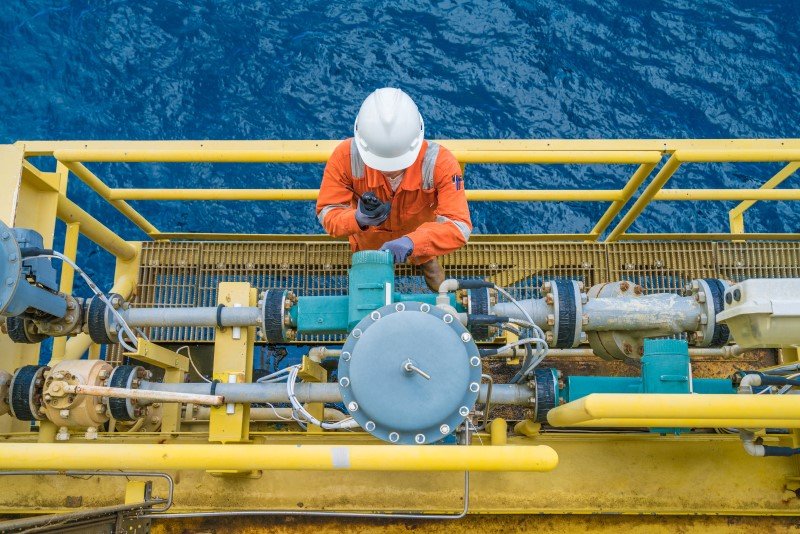
Entering peak hurricane season, offshore operators face the possibility of severe weather disrupting operations. In September 2024, unplanned storm-related outages disrupted 16% of total crude oil production in the federal Gulf of America/Mexico. While operators can’t control the path or severity of a storm, they can gain a clearer understanding of critical equipment health before it arrives, giving teams more time to identify vulnerabilities and act before access becomes limited.
Offshore equipment produces an enormous amount of critical data, but far too often, dashboards and programs that ingest the data stop short of telling operators why it’s happening or what to do about it. Predictive maintenance should be about using data to inform decisions by identifying patterns that signal emerging issues and helping operators spot and remedy potential vulnerabilities before severe weather limits their ability to respond.
The industry doesn’t need more alarms; it needs clearer answers. Shape Digital uses industrial expertise and agentic AI to identify potential equipment threats and assess what is happening, why it is happening, when a failure could occur and what actions operators can take. Born out of MODEC, which has operated in the floating offshore oil and gas market for more than 50 years, Shape applies this experience through tools such as Shape Lighthouse, a predictive maintenance and asset performance platform designed to detect and diagnose potential failures and recommend maintenance actions.
A recent case on a Floating Production Storage and Offloading vessel (FPSO) showed that having visibility into potential problems can prevent millions of dollars in losses. An operator faced a difficult position where Shape Lighthouse raised a vibration-trend alarm on a high-pressure gas compressor, diagnosing a developing imbalance and projecting functional failure roughly five months out, but the affected train was the only compressor in service, with no backup available, so acting on the alarm by taking it offline meant shutting down all gas compression.
Because the alarm arrived with a diagnosis and a projected failure window rather than just a threshold crossing, the operator could choose a third path instead of shutting down or waiting until failure. The team kept the train running under continuous monitoring while restoring a second train as backup. They completed the work a week before the projected window and had staging materials and crews in advance. The compressor failed on April 2, 2026, four days from a central estimate that was made more than five months earlier. By the time the issue actually happened, a backup system was already running, and the repair was fully resourced. An emergency shutdown became a planned one, preserving an estimated 26,400 boe, and avoiding roughly 30 days of unplanned downtime.
Hurricanes will always bring uncertainty, but equipment health does not have to. Understanding which assets are degrading, and roughly when, gives offshore teams the one thing a storm takes away first: time to act.
About The Author