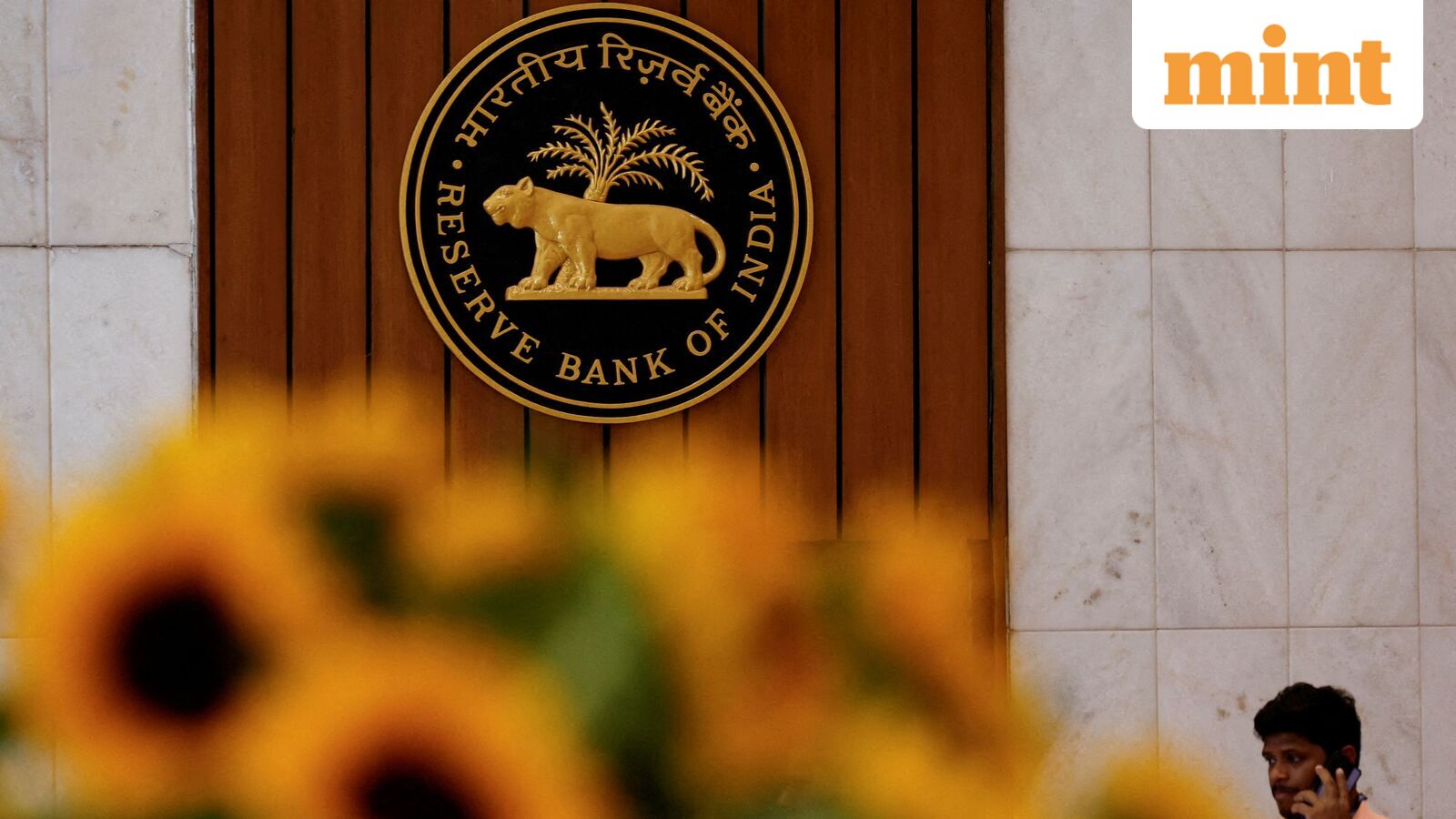
Sanjay Malhotra, Governor of the Reserve Bank of India, on Wednesday, April 8, announced key measures to deepen the term money market by broadening participation and enhancing liquidity. The central bank has decided to allow non-bank participants—including AIFIs, NBFCs, housing finance companies, and corporates—to access the term money market segment.
Additionally, the RBI has increased the borrowing limits for standalone primary dealers, a move aimed at improving market depth, strengthening liquidity conditions, and making the short-term funding ecosystem more efficient.
The Governor also mentioned that a functioning term money market not only offers an additional funding option for market participants but also contributes to better transmission of monetary policy by establishing a connection between the overnight money market and longer-term interest rates. Currently, only banks and independent primary dealers are allowed to take part in the term money market, subject to specific prudential limits.
RBI Policy
The RBI Monetary Policy Committee, led by Sanjay Malhotra, decided to maintain the repo rate at 5.25% amid ongoing tensions from the West Asia conflict affecting the global economy. On Wednesday, the RBI ended its Monetary Policy Committee meeting. The central bank projected a real GDP growth rate of 6.9% for FY27.
He indicated that the growth pattern for the year is expected to remain consistent across all four quarters. The central bank predicts a growth rate of 6.8% in the first quarter, decreasing slightly to 6.7% in the second quarter. For the third and fourth quarters, the growth projections are set at 7% and 7.2%, respectively. According to the updated GDP series, the projected growth for the fiscal year 2026 is 7.6%.
The RBI’s MPC meeting took place amid challenging geopolitical circumstances and varying global energy costs. India’s economic expansion is reportedly affected by the ongoing conflict in West Asia, with global supply chains experiencing disruptions for over six consecutive weeks.
The inflation forecast for the first quarter is set at 4%, while the second quarter is projected at 4.4%. In the third quarter, price pressures are anticipated to increase to 5.2% before easing to 4.7% in the last quarter. The Governor cautioned that high energy and other commodity prices may affect growth this year, especially as rising imported crude oil prices could contribute to higher inflation.
The MPC observed that the severity and duration of the conflict in West Asia, along with the resulting destruction of energy and other infrastructure, pose risks to both inflation and growth projections.
Nonetheless, the foundational aspects of the Indian economy are in a stronger position, which equips it with a better ability to endure shocks compared to previous times. The economy is facing a supply shock. It is wise to monitor the evolving situation and the changing outlook for growth and inflation.
As a result, the MPC chose to maintain the current policy rate, while staying alert and carefully evaluating new data and the overall risk landscape. The MPC also opted to uphold its neutral posture, keeping the ability to respond wisely to emerging information. The next meeting of the MPC is scheduled for June 3 to 5, 2026.
Disclaimer: This story is for educational purposes only. The views and recommendations above are those of individual analysts or broking companies, not Mint. We advise investors to check with certified experts before making any investment decisions.
About The Author