
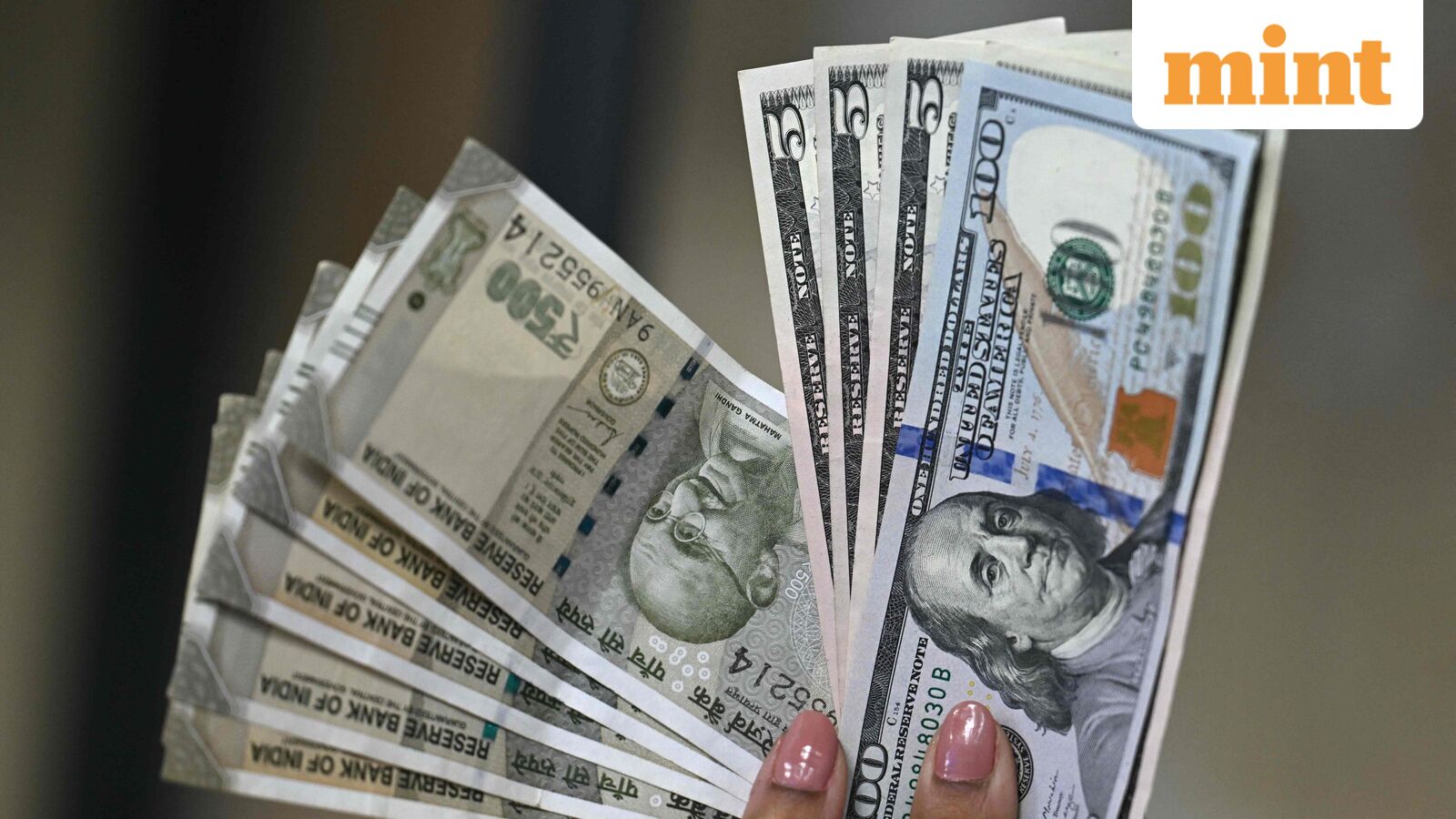
The rupee rose by 36 paise to open at 92.64 per dollar on Wednesday, April 8, in anticipation of the central bank’s policy announcement, supported by falling oil prices and a surge in Asian currencies following a two-week ceasefire in the Middle East.
Brent crude futures for June dropped nearly 14% to $94.10 per barrel, US stocks jumped over 2%, while South Korean and Japanese markets increased by 6% and 5%, respectively.
A two-week ceasefire with Iran, brokered by US President Donald Trump on Tuesday, April 7, strengthened risk assets, boosted Asian currencies, and contributed to the decline in oil prices.
The ceasefire will provide significant relief for markets, which in recent weeks have been faced with uncertainty regarding the duration of the conflict and its potential effects on inflation.
The accord was finalized just under two hours prior to Trump’s ultimatum for Tehran to reopen the Strait of Hormuz, or else confront what he described as severe strikes on its civilian infrastructure.
According to experts, the news of the ceasefire is positive for oil-importing India, especially with the Reserve Bank of India’s policy announcement scheduled for 10 IST. The central bank is largely anticipated to maintain its current interest rates, as the recent surge in oil prices has raised inflation worries. To address the impact of rising oil prices on the rupee, the RBI has recently imposed stricter regulations on the operations of banks and corporations.
After implementing these measures, the rupee has bounced back from levels close to 95 per dollar, and the easing from the ceasefire is expected to further bolster it.
Dr. VK Vijayakumar, Chief Investment Strategist, Geojit Investments, said that rupee will strengthen and this may even force the FPIs to turn buyers; at least they will have to cease the sustained selling, which will become irrational in the present context.
Rupee Outlook
Amit Pabari, MD, Research Team, CR Forex Advisors, said that the rupee has been taking support in the 92.80–93.00 zone. If this level breaks following the ceasefire news, we can expect a move towards 92.00–92.20. On the upside, resistance is likely to shift to the 93.20–93.50 zone.
According to Pabari, the Indian rupee has been showing clear signs of stability, with Tuesday marking its third consecutive session of gains. This improvement is largely driven by domestic regulatory measures rather than just global cues.
The key catalyst has been recent actions by the Reserve Bank of India, which have prompted banks to realign their positions. These include capping banks’ net open positions at $100 million, restricting participation in non-deliverable forwards (NDFs), and disallowing the rebooking of cancelled contracts, according to Pabari.
As a result, banks have been unwinding their overseas forward positions ahead of the regulatory deadline, leading to consistent dollar selling in the market. This RBI-led unwinding has directly supported the rupee’s recent appreciation by reducing speculative pressure, lowering volatility, and fostering a more stable near-term outlook for the currency, believes Pabari.
Disclaimer: This story is for educational purposes only. The views and recommendations above are those of individual analysts or broking companies, not Mint. We advise investors to check with certified experts before making any investment decisions.
About The Author
