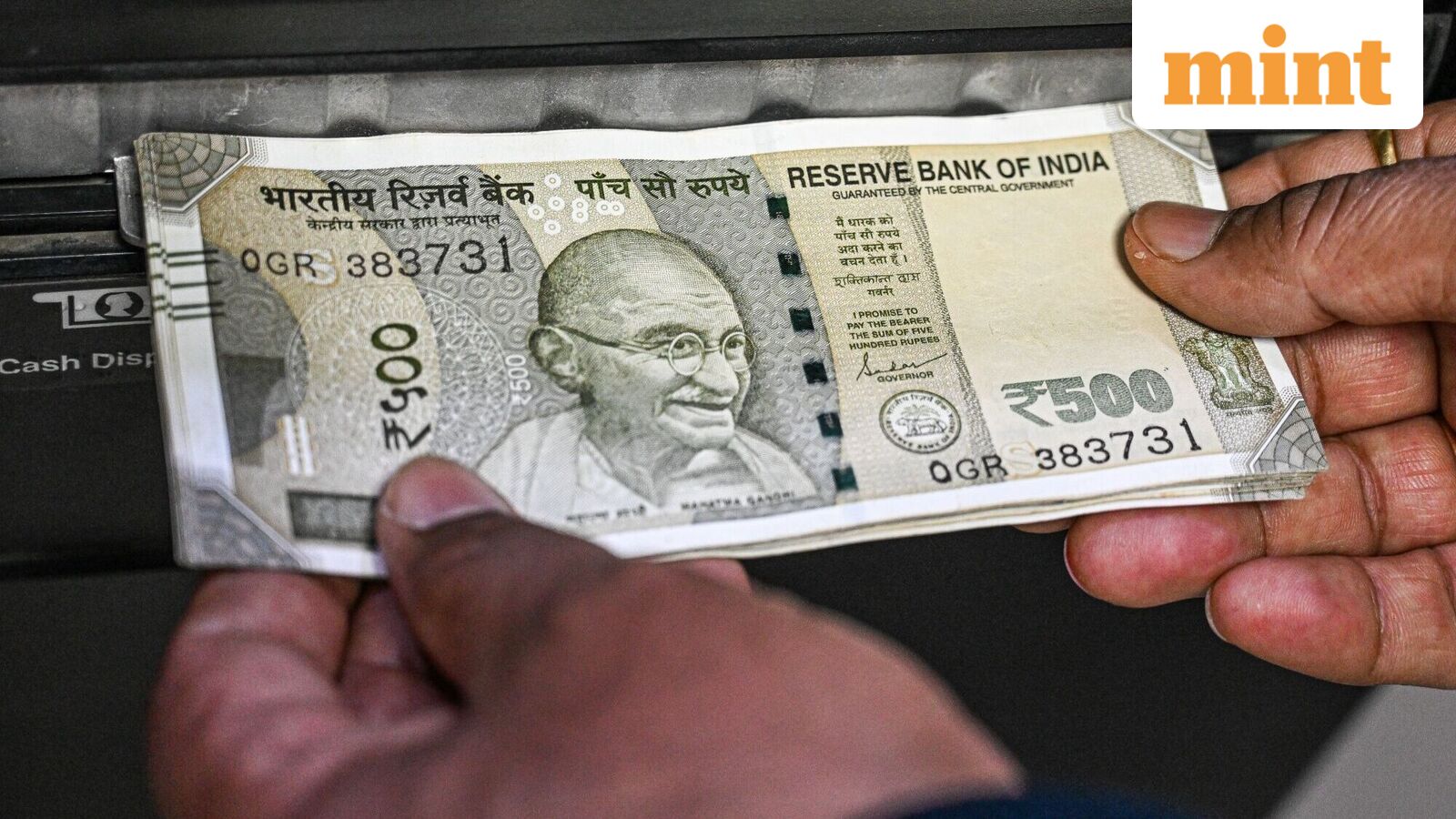
The Indian rupee opened 2 paise lower at 95.23 against the US dollar on Monday, 6 July, as persistent dollar demand and weakness across Asian currencies continued to weigh on sentiment despite softer crude oil prices.
The local currency came under pressure after declining nearly 1% last week, driven by arbitrage-related outflows, routine dollar purchases by importers, and a stronger US dollar amid expectations that the US Federal Reserve could keep interest rates higher for longer.
According to a Reuters report, although the dollar’s recent rally has paused following weaker-than-expected US June jobs data, traders expect only limited relief for the rupee. They noted that the currency has remained under pressure even as crude oil prices have softened, indicating strong underlying demand for dollars.
“The extent of pressure on the rupee can be gauged from the fact that lower crude oil prices have largely been discounted and the currency is still trading at these levels despite RBI support,” a currency trader at a bank told Reuters, adding that corporates are likely to continue buying the dollar-rupee pair on declines.
The Reserve Bank of India (RBI) has reportedly been selling dollars through state-run banks to defend the 94.80-95.00 zone. However, the rupee’s continued weakness despite these interventions highlights the resilience of underlying dollar demand, according to the Reuters report.
Crude oil eases, but geopolitical risks remain
According to market experts, falling crude oil prices continue to provide a supportive backdrop for the rupee. Brent crude traded near $71 per barrel, its lowest level since late February, as energy flows through the Strait of Hormuz normalised and concerns shifted from supply disruptions to a potential oversupply. Adding to the bearish sentiment, OPEC+ approved another production increase for next month, with seven members led by Saudi Arabia and Russia agreeing to raise output by 188,000 barrels per day.
However, experts caution that geopolitical risks remain far from over. Iran’s ambassador to China said Tehran would begin charging transit fees on vessels passing through the Strait of Hormuz once the 60-day ceasefire arrangement expires in mid-August. Meanwhile, France and the UK have proposed a multinational naval mission to safeguard shipping routes, a move Iran has opposed. As a result, while oil prices have eased, the geopolitical backdrop remains fragile.
Softer dollar offers little relief to the rupee
Market participants noted that the US dollar index slipped to around 100.90 after weaker-than-expected US labour market data reduced pressure on the greenback. Under normal circumstances, a softer dollar would support emerging market currencies, including the rupee.
However, experts said the Indian currency has failed to benefit meaningfully, highlighting persistent domestic demand for dollars despite improving global conditions.
Domestic growth indicators lose momentum
According to experts, recent domestic economic data also points to moderating growth. India’s Services PMI eased to 57.4 in June from 59.8 in May. While the reading remains comfortably above the 50-mark that separates expansion from contraction, it represents the slowest pace of growth in 17 months. New business growth also slowed to its weakest level in more than two-and-a-half years, suggesting domestic demand is beginning to soften.
Forex reserves remain a key concern
Experts also believe the Reserve Bank of India’s foreign exchange reserves warrant close attention. RBI data showed forex reserves declined by $5.65 billion to $666.93 billion during the week ended 26 June, although foreign currency assets remained broadly stable at around $541 billion.
They point out that once the RBI’s outstanding short forward position of nearly $106 billion is taken into account, the central bank’s effective firepower to support the rupee is lower than the headline reserve figure suggests. This, they say, is one of the reasons the rupee has struggled to appreciate meaningfully despite softer crude oil prices and a weaker US dollar.
Rupee Outlook
According to Amit Pabari, MD, CR Forex Advisors, the message from last week is simple. When the rupee cannot rally on good news such as falling oil prices and a softer dollar, it tells you the underlying mood is fragile. Any fresh negative trigger could push USDINR towards the 95.80 to 96.00 zone, while support holds near 94.80 to 95.00.
Disclaimer: This story is for educational purposes only. The views and recommendations above are those of individual analysts or broking companies, not Mint. We advise investors to check with certified experts before making any investment decisions.
About The Author