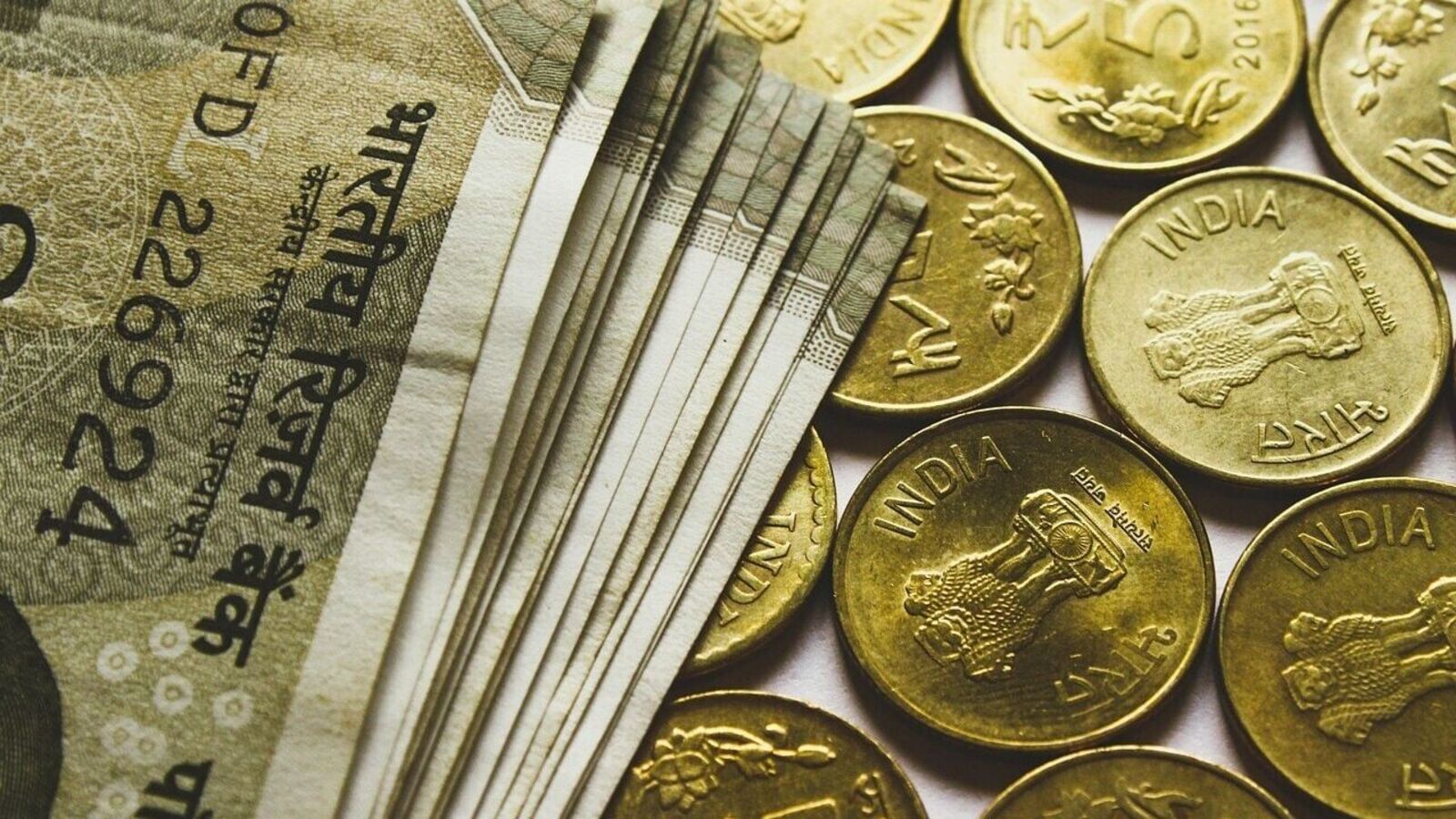
The Indian rupee opened 33 paise weaker at 94.58 against the US dollar on Friday, 8 May, snapping its two-day recovery rally amid renewed geopolitical tensions in the Middle East.
The domestic currency came under pressure as crude oil prices rebounded sharply following fresh hostilities between the US and Iran, raising concerns over the stability of the recently announced ceasefire.
Oil prices moved higher after hopes of progress on reopening the Strait of Hormuz were dented by escalating tensions. Iran accused Washington of violating the month-long ceasefire agreement, while the US said it launched retaliatory strikes after Iranian forces allegedly targeted US naval vessels transiting the strait on Thursday.
Despite the flare-up, Donald Trump said the ceasefire remained in effect and added that Washington was awaiting Tehran’s response to its latest peace proposal.
Reflecting renewed uncertainty, Brent crude rebounded above the $ 100-per-barrel mark to trade near $101.50, after briefly falling to around $96 on Thursday amid optimism.
According to market experts and reports, the recent movement in the Indian rupee has been largely driven by volatility in global crude oil prices, with rapidly shifting expectations around a potential US-Iran agreement triggering sharp sentiment-led swings in the currency market.
Experts noted that while the central bank has introduced a series of measures to support the rupee, their impact has remained largely short-lived amid continued uncertainty in energy markets.
Market participants believe a more durable recovery in the rupee would require crude oil prices to stabilise and dollar outflows linked to oil imports to moderate meaningfully.
Analysts also noted that persistent dollar demand from oil refiners continues to weigh on the domestic currency, leading to increased hedging by importers seeking protection against further rupee volatility.
Further, analysts suggest the market outlook remains optimistic.
Robust export performance translates into increased dollar inflows into the economy, which is one of the rupee’s most significant natural supports. Should geopolitical tensions further diminish and oil prices stabilise, India’s export growth may see even greater improvement in the coming months.
Rupee Outlook
Amit Pabari, MD, Research Team, CR Forex Advisors, said that for nearly a week, the view was that the rupee had a strong resistance near the 95.20–95.30 levels and was likely to move towards the 93.80–94.00 zone. This has played out exactly as expected. Now, the 94.00–93.80 range is expected to act as a strong support zone, and the rupee may bounce back towards the 94.50–94.80 levels.
Disclaimer: This story is for educational purposes only. The views and recommendations above are those of individual analysts or broking companies, not Mint. We advise investors to check with certified experts before making any investment decisions.
About The Author