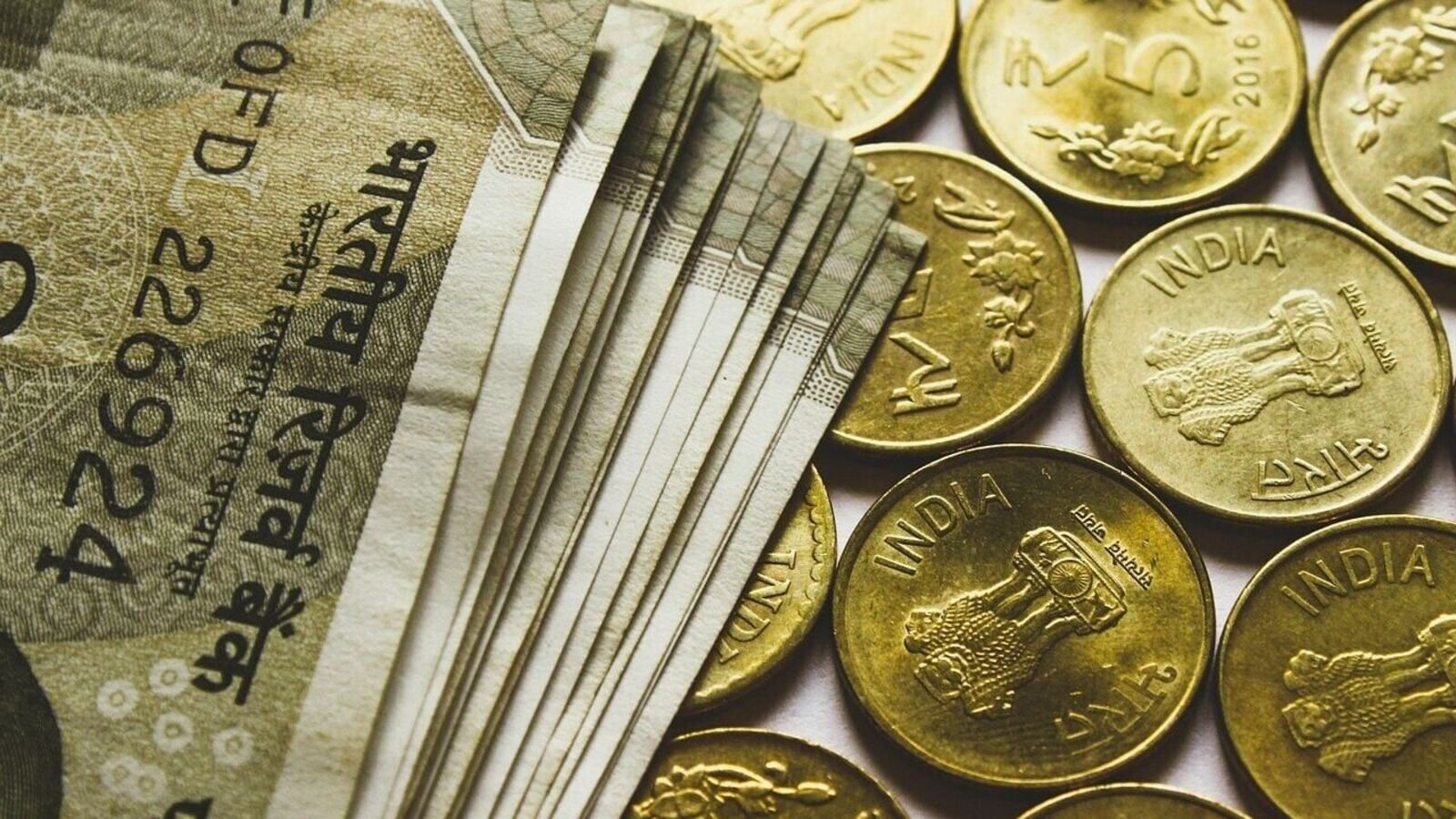
The Indian rupee opened 7 paise higher at 95.64 against the US dollar on Friday, 21 August, even as rising crude oil prices and sustained dollar demand from importers continued to weigh on the local currency.
The rupee has traded within a narrow 30-paisa range so far this week, mirroring last week’s pattern. According to a Reuters report, the currency has faced pressure from higher oil prices and importer hedging, with subsequent declines limited by intervention from the Reserve Bank of India (RBI).
The recent weakness in the US dollar, following the US Treasury’s measures to support longer-maturity bonds, has also helped the RBI in supporting the rupee.
A currency trader at a bank told Reuters that, based on recent trading patterns, it would be reasonable to expect the RBI to intervene to keep the rupee within a narrow range, although risks remain tilted to the downside.
The trader added that the RBI’s efforts to anchor the currency are likely to limit intraday volatility and discourage speculative flows.
Oil prices keep pressure on India
Despite some relief from a softer US dollar, elevated crude oil prices remain a major challenge for the Indian economy and the rupee, according to market experts.
Geopolitical tensions in the Middle East have intensified following fresh warnings from US President Donald Trump against countries supporting Iran. The conflict has reportedly disrupted more than 20% of the region’s refining capacity, while concerns surrounding shipping through the Strait of Hormuz continue to restrict fuel exports from a critical global energy route.
As a result, crude oil prices have remained above $93 per barrel. Adding to supply concerns, global oil inventories have reportedly been declining at a pace of around 3.5 million barrels per day since March, with the drawdown expected to continue through the year.
India’s Russian crude cushion narrows
Another concern for India is the tightening availability of discounted Russian crude. Experts note that China has stepped up purchases of Russian oil to compensate for reduced Iranian supplies, potentially limiting India’s access.
India’s Russian crude imports are estimated to decline to 1.87 million barrels per day in August from 2.79 million barrels per day in July, while imports from Russia’s European ports could fall by nearly 30%.
For India, which imports more than 85% of its crude oil requirements, a sustained reduction in Russian supplies could increase import costs and further pressure the trade balance and the rupee.
Billions in inflows, but limited support for the rupee
Meanwhile, the Reserve Bank of India (RBI) has indicated that measures announced earlier this year to attract foreign currency could generate at least $80 billion in inflows. According to RBI Governor Sanjay Malhotra, around $56.85 billion has already been mobilised, including $52.3 billion through FCNR(B) deposits.
However, experts point out that these inflows have so far failed to trigger a meaningful appreciation in the rupee. Unlike the FCNR(B) mobilisation in 2013, which was followed by a sharp recovery in the currency, the rupee has remained under pressure since the latest measures were announced in June.
The explanation, experts say, lies in persistent headwinds, including high oil prices, geopolitical uncertainty and weaker foreign investor participation. Foreign ownership of Indian equities has fallen to near a 17-year low, while India’s weight in the MSCI Emerging Markets Index has declined sharply from around 21% in September 2024 to below 12%, limiting the positive impact of fresh dollar inflows on the rupee.
Rupee Outlook
According to Amit Pabari, MD, Research Team, CR Forex Advisors, the softer dollar may offer some relief, but elevated crude prices and ongoing geopolitical risks continue to keep the pressure on the rupee.
With 95.30–95.50 acting as immediate support, USD/INR is expected to gradually move towards 96.20–96.50, while any dips are likely to remain short-lived.
Disclaimer: The views and recommendations made above are those of individual analysts or broking companies, and not of Mint. We advise investors to check with certified experts before making any investment decisions.
About The Author