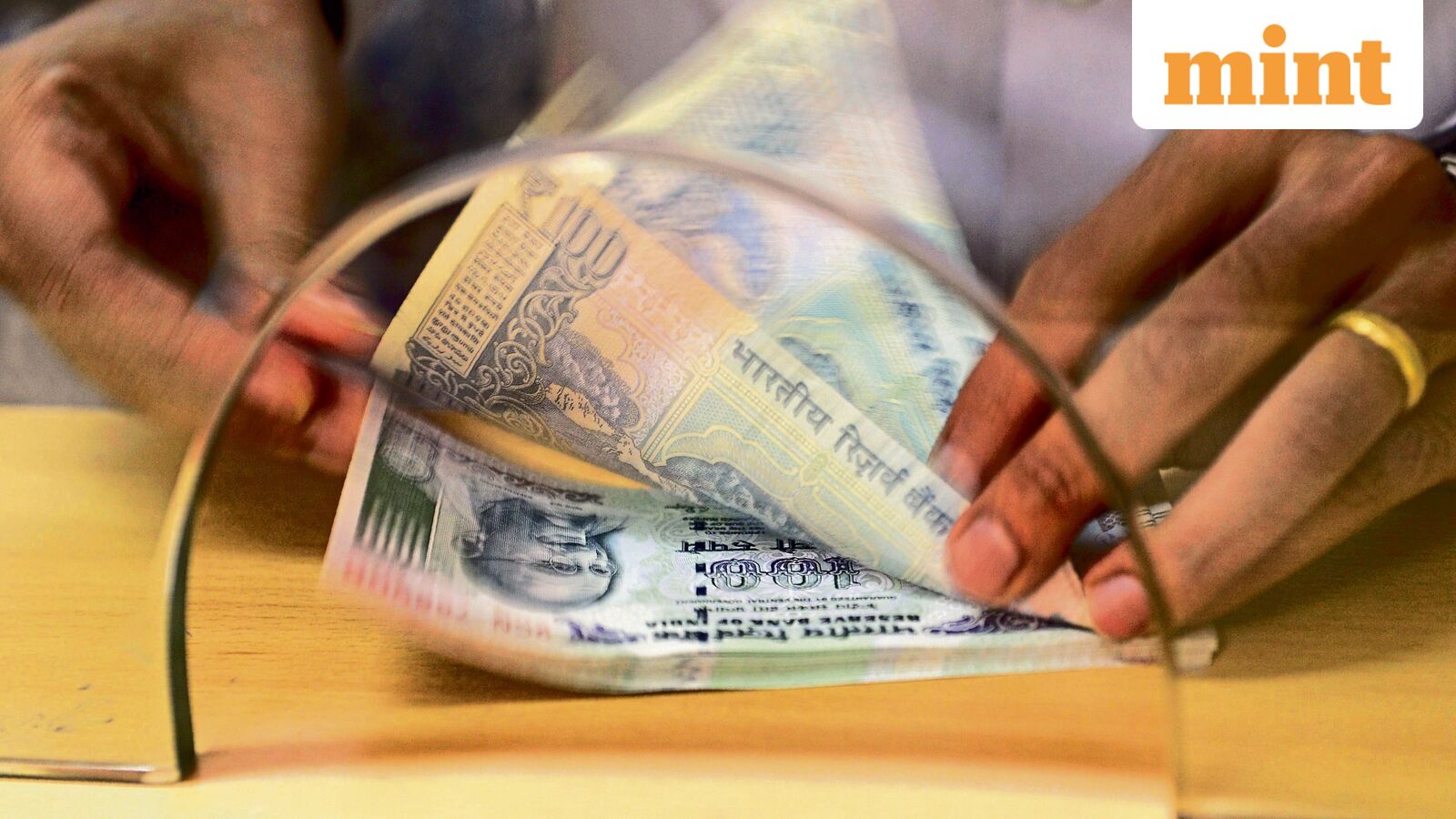
Rupee opened 8 paise higher at 96.49 against the US dollar on Thursday, 23 July, amid the worsening US-Iran dispute, which fuels a further rally in oil prices.
The currency settled at 96.5650 on Wednesday, hovering near its weakest level in more than two months.
The rupee has been under sustained pressure since tensions between the US and Iran flared up again, triggering a fresh rally in oil prices.
The currency found slight respite amid robust foreign inflows linked to the Reserve Bank of India’s recent measures, which traders said helped reduce the risk of a larger depreciation.
However, with oil prices continuing to climb, the currency of the world’s third-largest oil importer is unlikely to find much relief.
Shrinking reserve cushion
Experts pointed out that while India’s foreign exchange reserves remain comfortable, they have declined from around $680 billion in May to nearly $675 billion, indicating that incoming dollar inflows are not being fully added to reserves.
They added that the RBI‘s sizeable forward dollar sales position could also reduce the central bank’s flexibility to intervene as aggressively in the currency market if pressure on the rupee intensifies.
Oil rally continues to weigh
According to experts, the biggest headwind for the rupee remains the sharp rise in crude oil prices. Brent crude has climbed close to $95 per barrel, with markets increasingly discussing the possibility of prices moving towards $100 a barrel if supply disruptions worsen.
They noted that nearly five months of conflict in the Middle East have tightened global energy supplies, stoked inflation concerns and heightened risks to key shipping routes. Fresh threats by Yemen’s Iran-backed Houthis in the Red Sea have further increased fears of disruptions along one of the world’s busiest trade corridors.
Trade risks add another layer of pressure
Experts also highlighted that trade-related uncertainties are adding to the rupee’s challenges. The United States has proposed tariffs of up to 12.5% on imports from several countries, including India. In addition, US President Donald Trump announced that imported generic medicines would remain tariff-free for two years before being subjected to tariffs of 100%, followed by 200%.
Given that the US accounts for nearly $9.7 billion, or about 38%, of India’s pharmaceutical exports, experts believe the combination of rising oil prices, geopolitical tensions, shipping disruptions and trade uncertainties is likely to keep pressure on the Indian currency in the near term.
Rupee Outlook
According to Amit Pabari, MD, Research Team, CR Forex Advisors, said that the close above 96.50 indicates that USD/INR may be establishing itself in a higher range. With oil prices, geopolitical tensions, and trade uncertainties all working against the rupee, 97.30–97.50 now looks like a realistic target and could be seen at any point in time.
On the downside, 96.00–96.10 should now act as the first important support zone.
Disclaimer: This story is for educational purposes only. The views and recommendations above are those of individual analysts or broking companies, not Mint. We advise investors to check with certified experts before making any investment decisions.
About The Author