U.S. President Donald Trump speaks during a news conference in James S. Brady Press Briefing Room of the White House on April 06, 2026 in Washington, DC.
Alex Wong | Getty Images News | Getty Images
A cargo vessel was struck by a projectile while transiting the Strait of Hormuz, the U.K. Maritime Trade Operations agency said Tuesday, signaling persisting navigation risks in the waterway as Washington and Tehran harden their positions.
The attack caused damage to the engine room and resulted in a crew casualty, the maritime agency said, adding that the remaining crew were being assisted by the Omani Coast Guard.
The incident came after an Iranian military official repeated threats that the Islamic state won’t back down over the Strait of Hormuz. Fox News reported Tuesday that Ebrahim Zolfaghari, Iranian military spokesperson, said vessels attempting passage through the strait will “find several beautiful holes in their hulls.”
Washington and Tehran have rejected further talks after the 60-day negotiating ceasefire deal, reached in mid-June aimed at opening space for diplomatic engagement, expired on Monday without a formal follow-on agreement.
“Both sides will dig in for a longer standoff,” a team of analysts at Eurasia Group said in a note Monday, as neither side sees an urgent need to make concessions.
Earlier on Monday, U.S. President Donald Trump ruled out extending the ceasefire, saying that Tehran won’t accept the terms he considers necessary to end their war. “They’re not going to make the kind of deal that I feel is necessary,” Trump said in the Oval Office.
Iran’s hardline leadership, for its part, has no intention of winding down the conflict, but instead widening the war to raise the costs for the U.S. and its regional allies, Wall Street Journal reported on Sunday, citing intelligence obtained from unnamed Iranian and Arab officials.
Eurasia Group no longer expects a peace deal by September, pushing back its timeline for de-escalation to year-end as the standoff drags on. The most likely outcome is “a limited deal” that allows Hormuz traffic to partially recover, the risk consultancy said, adding that pressure on Washington to push for an imminent reopening of the strait has eased.
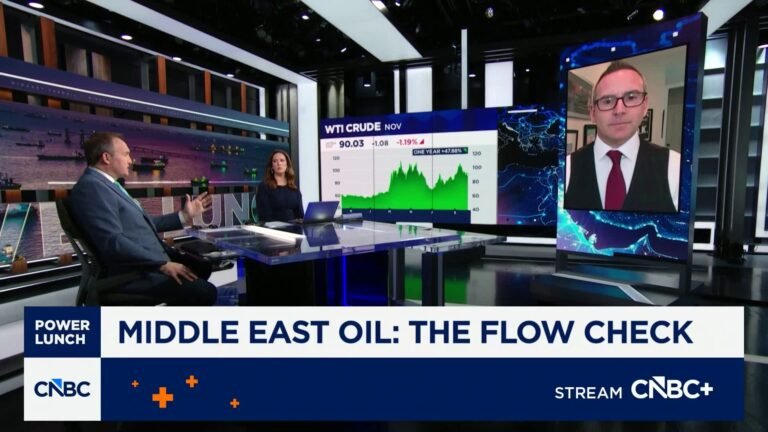
Success in routing oil around the Strait of Hormuz has kept prices from spiking past $100 a barrel, while the global economy has adapted to the closure, giving the U.S. room to “afford to wait,” Eurasia Group said.

The Strait of Hormuz, which handled about a fifth of the world’s crude oil and gas before the war, has become the central flashpoint between the U.S. and Iran since February. Shipping remains near a standstill amid sporadic attacks on oil tankers. Just three vessels transited the Strait of Hormuz on Sunday, according to shiptracking data from Kpler.
The Bab el-Mandeb strait, where Yemen Houthis declared a naval blockade on Saudi Arabia in mid-July, also saw just 49 weekend transits by commodity vessels, according to Reuters, down from 55 in the prior week.
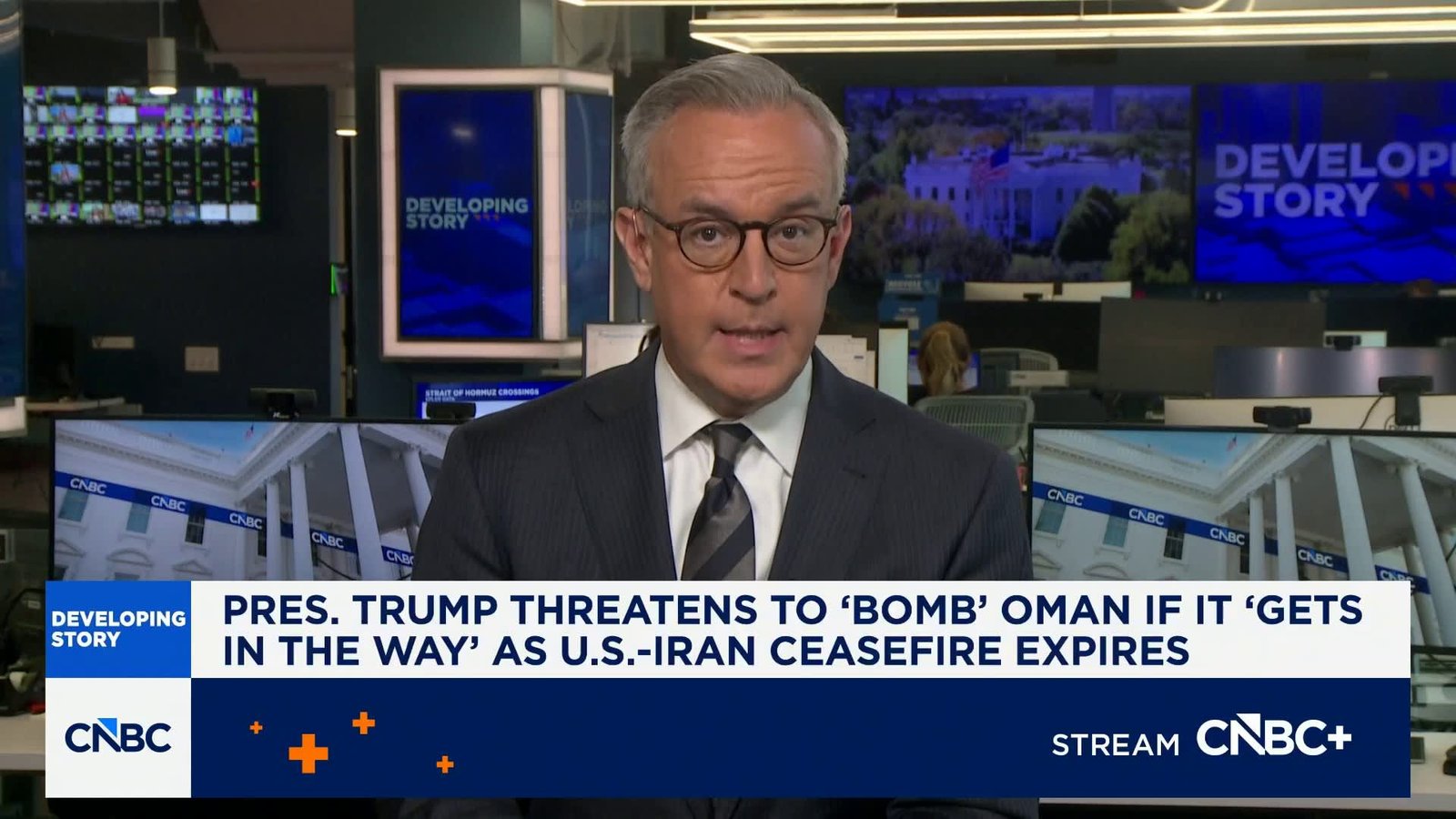
Iranian Foreign Minister AbbasAraghchi saidin a Telegram post on Saturday that Iran’s negotiations with Oman remained ongoing to determine a new maritime route in the Strait of Hormuz, while Trump on Monday threatened to bomb Oman if the Gulf state “gets in the way” of U.S. efforts to reopen the strait.
“Any recovery in Hormuz flows will be partial,” said analysts at Eurasia, as the U.S. and Iran remain in a state of simmering hostilities, with heightened risks of renewed flare-up that disrupts traffic.
Oil prices climbed after the 60-day window for negotiated settlement closed without a breakthrough. U.S. crude oilfutures ticked up 0.25% to $84.7 a barrel on Tuesday, after a 2.6% rise on Monday.
Brentcrude, the international benchmark, was little changed on Tuesday after rising above $90 on Monday, last trading at $90.86 a barrel.
About The Author