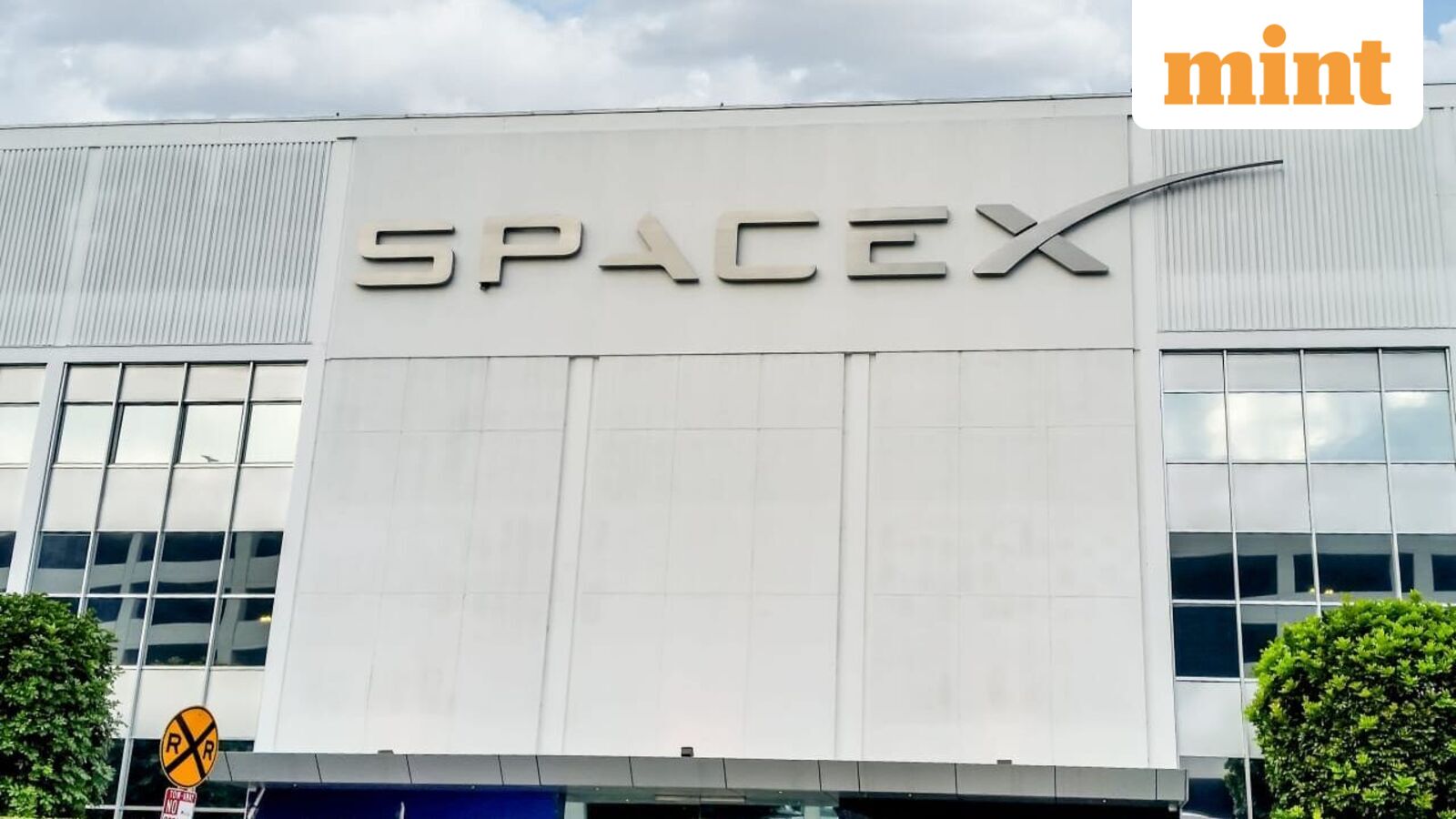
Elon Musk-led rocket and aerospace company, SpaceX, is expected to debut on the Nasdaq on 12 June under the ticker symbol SPCX, with shares reportedly priced at $135 each, valuing the company at around $1.77 trillion.
Reports indicate that the company plans to offer approximately 555.6 million shares, aiming to raise nearly $75 billion through what could become one of the largest public offerings in history.
Reports further suggest that SpaceX is allocating an unusually large portion of the offering to retail investors. As much as 25% of the IPO shares could be reserved for individual investors, while up to 30% of the offering, valued at roughly $22.5 billion, may be earmarked for retail participation—significantly higher than the allocation typically seen in large IPOs.
According to reports, investors seeking IPO access will need to hold eligible brokerage accounts, satisfy minimum funding requirements, and submit an expression of interest before the final pricing. However, share allotment will not be guaranteed.
The shares will be listed on the Nasdaq Stock Market in New York. Reports also note that investors who do not participate in the IPO could still gain indirect exposure if SpaceX is eventually included in major stock indices and index-tracking funds.
Media reports indicate that eligible investors from several countries, including India, the United Kingdom, Australia, Singapore, South Korea, the United Arab Emirates, Saudi Arabia, Germany, France, and other jurisdictions, may be able to access the offering, subject to local regulations and brokerage eligibility requirements.
SpaceX IPO – Can Indian investors invest?
Sunny Agrawal, Head of Fundamental Research at SBI Securities, said Indian investors are unlikely to gain direct access to a potential SpaceX IPO, as participation is generally restricted to investors in the market where the shares are listed. Investors seeking exposure before listing may consider feeder funds or global technology-focused funds, though SpaceX’s allocation in such portfolios is likely to be limited. Agrawal noted that once SpaceX becomes publicly traded, Indian investors can invest directly through the Reserve Bank of India’s Liberalised Remittance Scheme (LRS) by opening an international brokerage account and purchasing shares on the overseas exchange. As a result, indirect exposure may be possible before listing, while direct ownership would become feasible only after the stock begins trading publicly.
Tushar Badjate, Director at Badjate Stock & Shares Pvt. Ltd., said Indian investors can legally invest in US-listed stocks under the LRS framework, which allows resident Indians to remit up to $250,000 per financial year for overseas investments. However, he noted that participation in a US IPO is generally difficult for Indian retail investors because allocations are primarily reserved for institutional investors and US-based retail participants through underwriting syndicates.
According to Badjate, the more practical route for Indian investors would be to buy SpaceX shares on the secondary market after listing through international investment platforms. He added that while SpaceX’s Starlink business has demonstrated strong revenue and profit growth, investors should carefully evaluate the valuation being sought in relation to the company’s growth prospects and associated risks. In his view, investors may be better served by waiting for post-listing price discovery rather than rushing to buy at the debut.
Disclaimer: This story is for educational purposes only. The views and recommendations above are those of individual analysts or broking companies, not Mint. We advise investors to check with certified experts before making any investment decisions.
About The Author