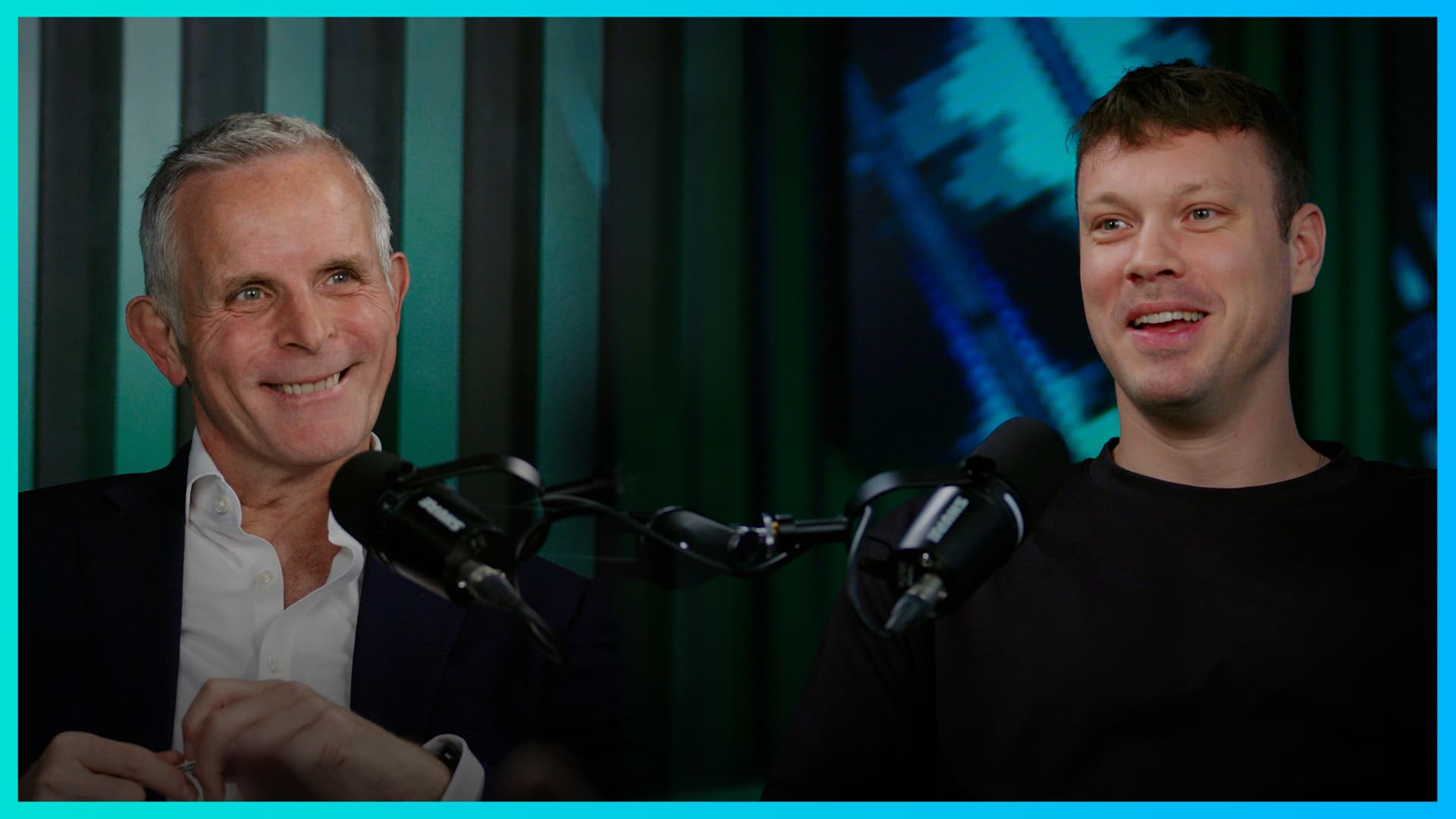
VictorRiparbelli, co-founder and CEO ofSynthesia, has become one ofEurope’sleading voices on AI—despite starting far from the traditional tech path.
Growing up in Denmark,Riparbellioftenfelt out of step withits consensus-drivenculture.
“It’san amazing place, butit’sreally nota place that inspiresambition and driveand innovation,”he told CNBC’s Steve Sedgwick on the “Executive Decisions” podcast.
He immersed himself in books and computers, developing what he calls a “rebellious” mindset and a knack for spotting trends early.
Riparbelli’sambitions took him abroad for a semester at Stanford Universityand eventually London’s startup scene, where hecame across thegroundbreaking researchpaper,”Face-to-Face.”
“This is one of the first papers [on artificial intelligence] that used the neural network toactually generatenew data, and in this case,videoof people talking, which lookedpretty realistic,”Riparbellisaid.
Describing it as a moment of epiphany, theidea sparked the company that would becomeSynthesia.Butconvincinginvestors was tough at first.
“We tried a lot of people, more than 100 people. We got turned down by most of them,”Riparbellisaid.
The turning point came from a cold email to billionaire entrepreneur Mark Cuban, who invested $1 million after a 14‑hour exchange.Riparbellisays the experience underscored just how critical buy‑in is whenyou’repitching an unconventional idea.
“If youhave toboth convince themonthe vision and thatyou’rethe right person to tackle it,it’svery difficult,”hesaid.
With Synthesia most recently valued at$4 billion,Riparbellihas big decisions ahead asthe company preparesfor its next chapter.
“Our aspirations arevery, very big. Getting to a billion dollars in revenue…probably requiresus to go multi-product,” he said.
Watch VictorRiparbelli’sinterview with Steve Sedgwick byclickingthe videoabove, andsubscribe to Executive Decisions wherever you get your podcasts.
About The Author