
(Bloomberg) — One hundred days after the start of the Iran conflict, Washington and Tehran remain far apart on a potential interim agreement, raising fresh uncertainty over the future of energy flows through the Strait of Hormuz and broader stability across the Gulf.
The latest flare-up in tensions marked the most serious challenge to the fragile ceasefire that took effect in early April. Negotiations remain stalled over the release of billions of dollars in frozen Iranian assets and conditions tied to a broader truce.
Maritime security concerns continue to weigh on energy markets. U.S. Central Command said it intercepted Iranian drones threatening commercial shipping in the Strait of Hormuz over the weekend, while additional missile and drone incidents were reported across the Gulf.
Since the conflict began on Feb. 28, Iran and its regional allies have launched attacks targeting oil infrastructure, industrial facilities and military installations across several Gulf states. The U.S. military has responded with strikes against Iranian military assets, including surveillance sites near Hormuz.
The fate of the waterway remains central to ongoing negotiations. The Strait of Hormuz normally handles a significant share of global crude oil and LNG exports, but traffic has remained well below pre-conflict levels amid security concerns and restrictions on regional shipping.
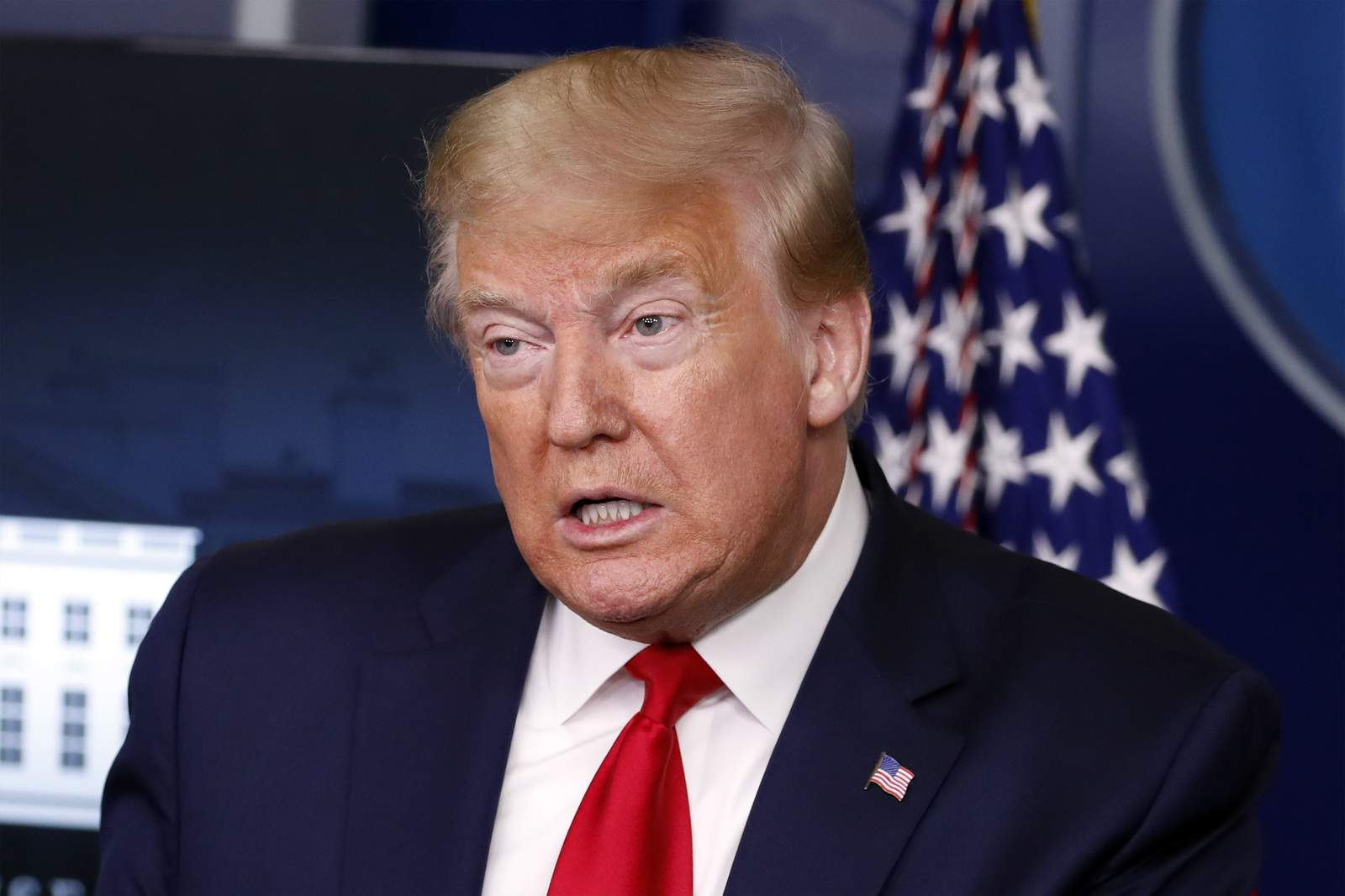
President Donald Trump said he would not agree to unfreeze Iranian assets or ease sanctions as part of an initial agreement, a position that conflicts with Tehran’s demands and has become a major obstacle in negotiations.
Iran has insisted that frozen assets be released as part of any interim arrangement and continues to link broader discussions to regional security issues.
The prolonged disruption has kept energy markets on edge. While oil prices have retreated from the sharp spikes seen earlier in the conflict, they remain elevated compared with pre-war levels.
West Texas Intermediate crude ended the week above $90/bbl, while Brent crude settled near $93/bbl.
The conflict has also renewed concerns about global energy security and inflation, particularly if disruptions to Gulf oil exports continue or if negotiations fail to produce an agreement that restores confidence in regional shipping routes.
With no breakthrough in sight after 100 days of conflict, the outlook for a durable ceasefire and a broader reopening of Gulf energy flows remains uncertain.
About The Author

