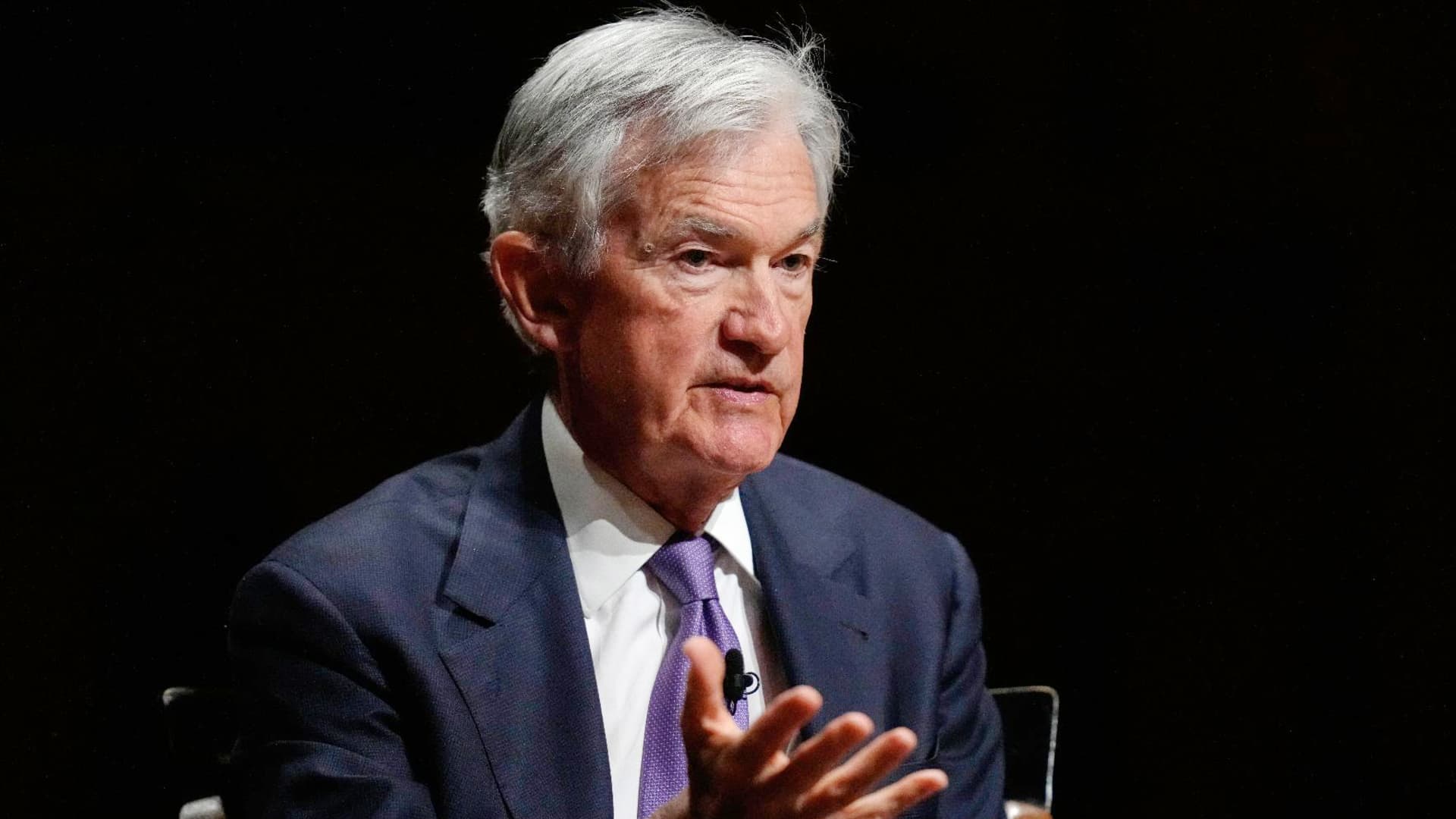
Federal Reserve Chair Jerome Powell addresses students at Harvard University, Monday, March 30, 2026, in Cambridge, Mass.
Charles Krupa | AP
A U.S.judgeon Friday stood by his prior decision toblocksubpoenasissued in a criminal investigation into Federal Reserve Chair JeromePowell, settingupalikelyappealthat could further delay President Donald Trump’s move to install a more compliant central bank head.
Chief U.S. DistrictJudgeJames Boasberg, of the District of Columbia, rejected the Justice Department’s bid to reconsider his earlier ruling, which had effectively haltedthe criminal probe intoPowell.
Boasberg in a March 13 ruling determined thatsubpoenasto the Fed’s Board of Governorsin January were issued for the improper purpose of pressuringPowellto accede toTrump’s demandsto rapidly lower interest rates or resign.
Thesubpoenas, issued by Washington D.C.’s top federal prosecutor Jeanine Pirro, a stalwart Trump ally, sought information about cost overruns in renovations at theFed’sheadquarters andPowell’s testimony to Congress last year about the project.
The ruling isPowell’s latest victory in his battle with Pirro’s office about the investigation, which he has called a pretext for Trump to gain more influence over the Fed and monetary policy.
Pirro has vowed to continue the probe and said her office is prepared toappealto the U.S. Court ofAppeals for the D.C. Circuit. Justice Department leadership has backed the decision toappeal, according to a source familiar with the matter.
Theappealcould delay confirmation of Kevin Warsh, Trump’spick to succeedPowellas Fed chair. Senator Thom Tillis, a Republican member of the Senate Banking Committee who has criticized the probe intoPowell, has vowed to continueblocking Warsh’s nomination while anyappealplays out.
Powellhaspledged not to leavethe central bank until the probe is over.
Prosecutors have said they are investigatingPowellfor potential fraud charges and false statements to a congressional committee. But a top lawyer in Pirro’s office acknowledged in court on March 3 that prosecutors do not currently know what evidence exists thatPowellcommitted a crime, according to a court transcript.
Pirro’s office faced a high legal bar to convince Boasberg to reverse his earlier decision, having to show that either new evidence emerged or thejudgemade a clear legal error.
Justice Department lawyers argued that Boasberg set too high a standard for prosecutors to meet at the early stages of an investigation and misinterpreted the timeline of the probe.
Lawyers for the Fed’s Board of Governors argued that Boasberg’s initial ruling was backed by “overwhelming evidence.”
About The Author