

(Bloomberg) – The U.S. threatened economic penalties against countries that continue doing business with Iran, escalating pressure on Tehran after nearly six months of war and putting major buyers of Iranian oil under greater scrutiny.
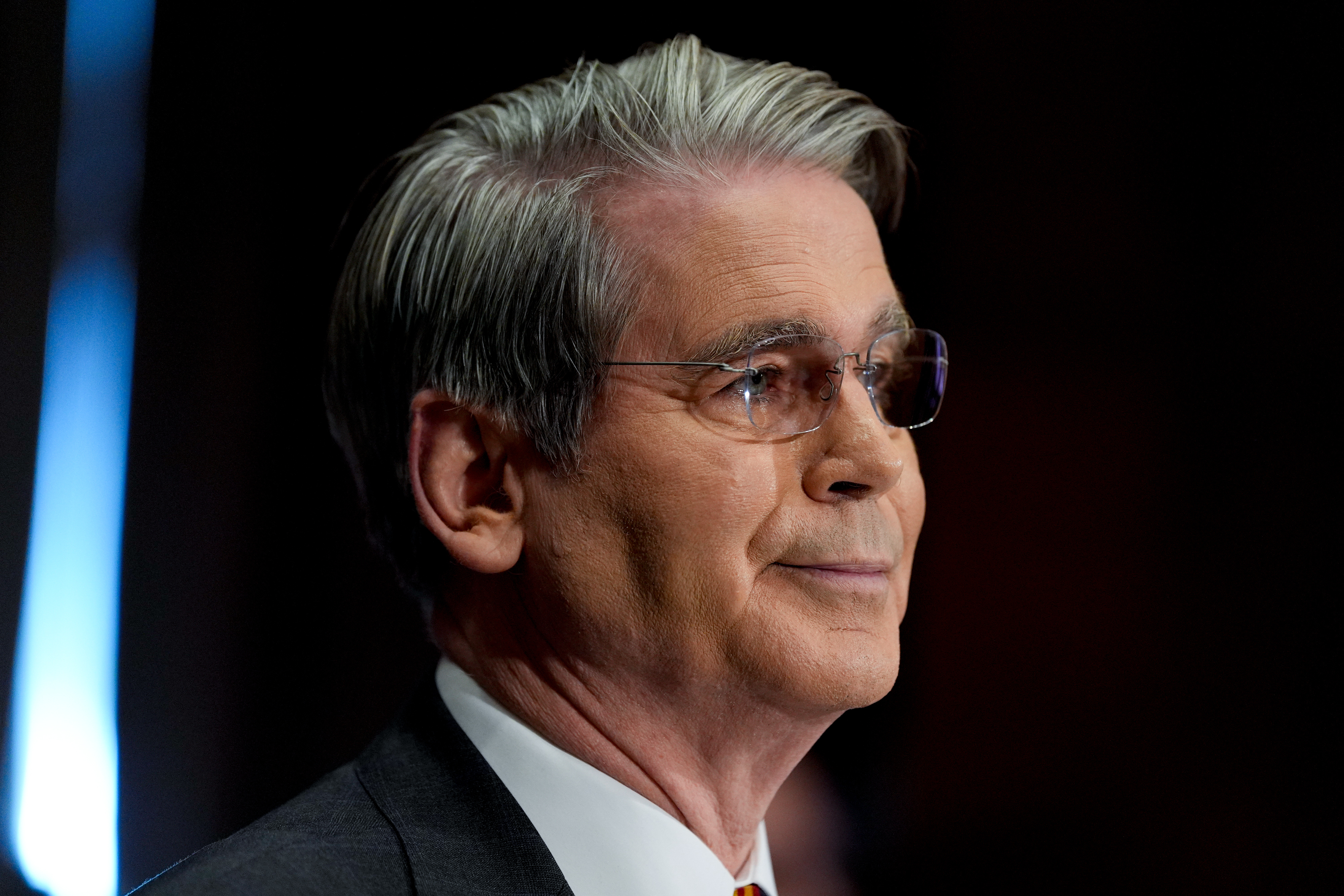
U.S. Treasury Secretary Scott Bessent. Image: Bloomberg.
Treasury Secretary Scott Bessent said President Donald Trump is calling world leaders with “specific requests to cease their interactions with the regime.” Countries will be given a timeline to cut ties or face unilateral U.S. sanctions, he said.
“We are launching an economic onslaught against Iran’s financial connections around the globe,” Bessent said, describing the campaign as an effort toward “economic asphyxiation of this regime.”
The announcement marks the latest U.S. attempt to pressure Iran, which has resisted American demands despite months of military strikes and decades of economic sanctions. It remains unclear whether the measures will be sufficient to change Tehran’s position or ease disruptions surrounding the Strait of Hormuz.
“So far this appears to be just the threat of additional secondary sanctions under authorities that Treasury has had since 2020,” said Claire O’Neill McCleskey, a former Treasury official and co-founder of sanctions advisory firm Clarity Compliance Consulting.
The threat could also increase tensions with China, which buys the bulk of Iran’s oil and has so far refused to halt purchases. Asked why Washington was not immediately imposing penalties on Iran’s trading partners, Bessent said countries were being given an opportunity to change course.
“We are giving everyone the opportunity to remedy bad behavior,” Bessent said. “Why would I want to blow up the global financial system?”
Treasury announced sanctions against more than 60 entities Monday, targeting what Bessent described as five of Iran’s most important economic lifelines, including digital assets, technology, gold, aviation and shipping. He also threatened sanctions against a major financial institution over its Iran ties by the end of the week but did not identify the institution.
Bloomberg Economics analysts Jennifer Welch and Adam Farrar said a key test will be whether Washington follows through against countries that maintain links with Iran, particularly large Chinese financial and energy institutions.
Asked whether the U.S. was prepared to target major Chinese banks facilitating trade with Iran, Bessent said “no one is above the reach of U.S. sanctions,” without naming China specifically.
The Trump administration has previously threatened secondary sanctions against buyers of Iranian crude. In April, Bessent warned that Washington was prepared to target foreign financial institutions supporting Iran, while Trump has previously threatened sanctions against countries and companies purchasing Iranian oil.
The latest campaign comes as the U.S.-Iran conflict continues to disrupt Middle East energy flows and shipping through the Strait of Hormuz, keeping the oil market focused on the potential impact of further sanctions on Iranian crude exports.
About The Author
