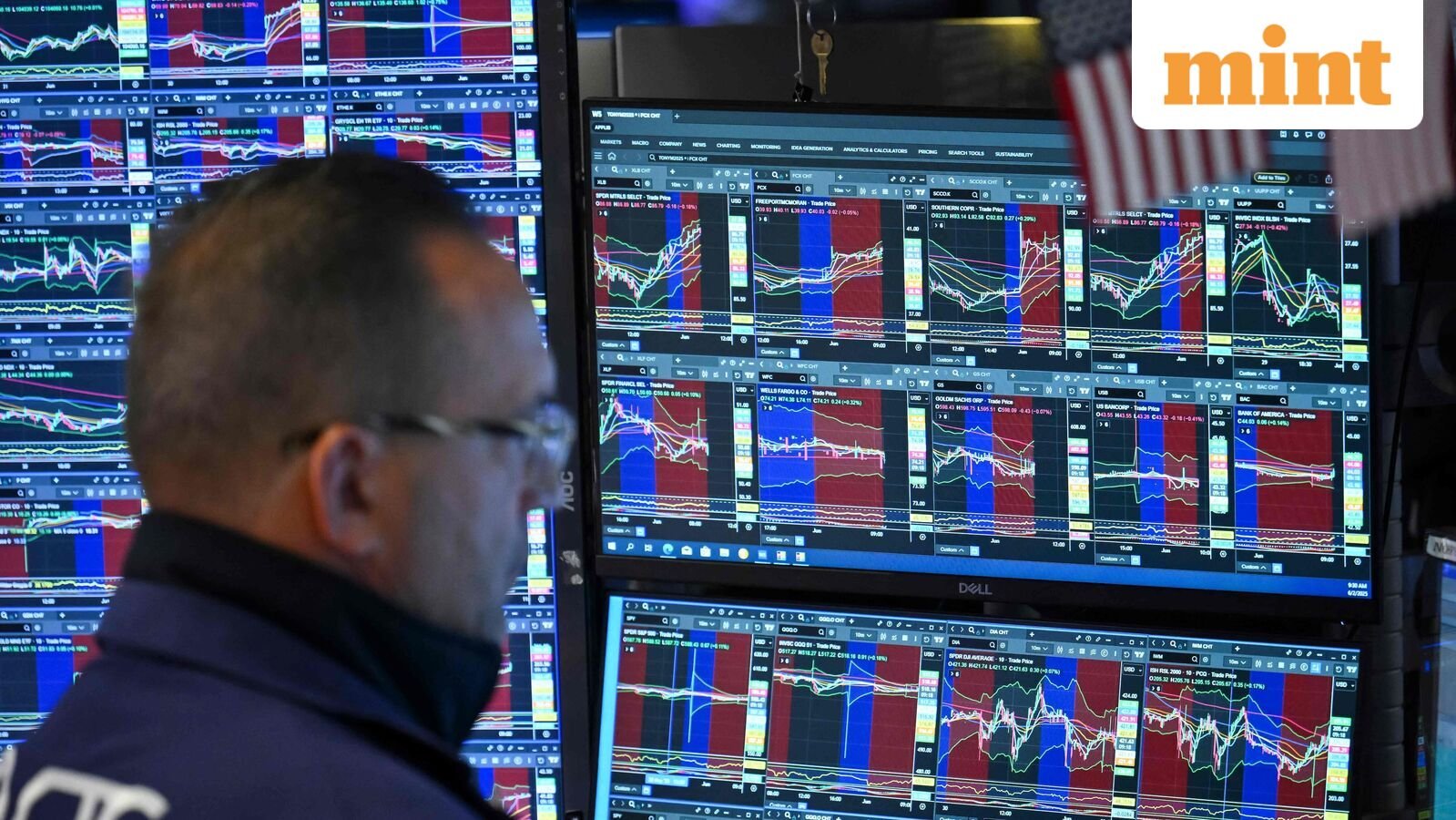
US stock futures traded with marginal losses on Wednesday, 26 August, as investors shifted their attention to Nvidia’s earnings and awaited the release of the latest US Personal Consumption Expenditures (PCE) Price Index, the Federal Reserve’s preferred measure of inflation.
S&P 500 and Nasdaq-100 futures were down 0.1% and 0.2%, respectively, while Dow Jones Industrial Average futures were up by 6 points, or 0.01%. In the previous session, Wall Street rebounded, led by a rally in chip stocks, with Nvidia snapping its seven-session losing streak ahead of its earnings.
July’s Personal Consumption Expenditures Price Index, a monthly report detailing changes in the prices of goods and services and the Federal Reserve’s preferred inflation gauge, is scheduled to be released on Wednesday at 8:30 a.m. ET.
The data comes ahead of Federal Reserve Chair Kevin Warsh’s speech at the annual Jackson Hole symposium on Friday. Investors will closely watch his comments for further signals on the central bank’s policy outlook, although he is not expected to provide clear guidance on the Federal Reserve’s September policy decision.
Meanwhile, crude oil prices remained lower in trade, supporting a rally in bonds, with Treasuries holding on to their gains from Tuesday.
However, the easing in bond yields did little to revive sentiment towards the US dollar, which continued to trade near a three-month low as investors assessed the implications of the Treasury Department’s expanded debt buyback programme.
Nvidia’s results in focus
Wall Street expects Nvidia to deliver stellar results for the fiscal second quarter, which ended July 31. Analysts project that both revenue and net income nearly doubled from a year ago, which would mark the fastest pace of growth in two years, according to data compiled by Bloomberg.
The Street expects better-than-expected numbers to ignite a broader rally in chip stocks, which have remained under pressure amid concerns over elevated valuations.
Despite the recent weakness in Nvidia shares, the stock is still up 14% in 2026—a decent showing, though far from its past performance. At the same time last year, the stock had gained 34%, while in 2024, it had surged more than 150%.
However, investors have become increasingly cautious about the durability of the AI trade, with persistent inflation, elevated interest rates and geopolitical risks continuing to weigh on sentiment.
Iran-Oman talks keep oil prices under pressure
Crude oil prices remained lower as the latest US economic sanctions on Iran were less severe than markets had anticipated. Benchmark US crude fell $2 to $79.73 a barrel, extending its losing streak to a third straight day.
International benchmark Brent crude also extended its losing streak to a third consecutive day, falling another $3 to $84.56 a barrel. US Treasury Secretary Scott Bessent said countries trading with Tehran would be given a deadline to wind down their ties or risk unilateral penalties.
Oil prices were also weighed down by renewed hopes of the reopening of the Strait of Hormuz after Iran resumed talks with Oman on managing the strategic waterway.
The Gulf nations said in a joint statement on Tuesday that their respective foreign ministers had discussed a “proposed framework” to establish “a joint temporary navigational corridor through the Strait of Hormuz and an agreement to implement a joint project to clear the Strait of mines,” CNBC reported.
Earlier, US President Donald Trump had threatened to bomb Oman if the country got in the way of the US blockade of Iranian ships in the Strait of Hormuz.
Disclaimer: We advise investors to check with certified experts before making any investment decisions.
About The Author