US Treasury yields fell across the curve following the reopening of the Strait of Hormuz, which eased inflationary pressures and drove Oil prices lower. At the same time, the US Dollar Index (DXY), which measures the buck’s performance against a basket of six currencies, is rising by over 0.22% to 101.62.
Treasury yields fall as cheaper Oil cools inflation expectations
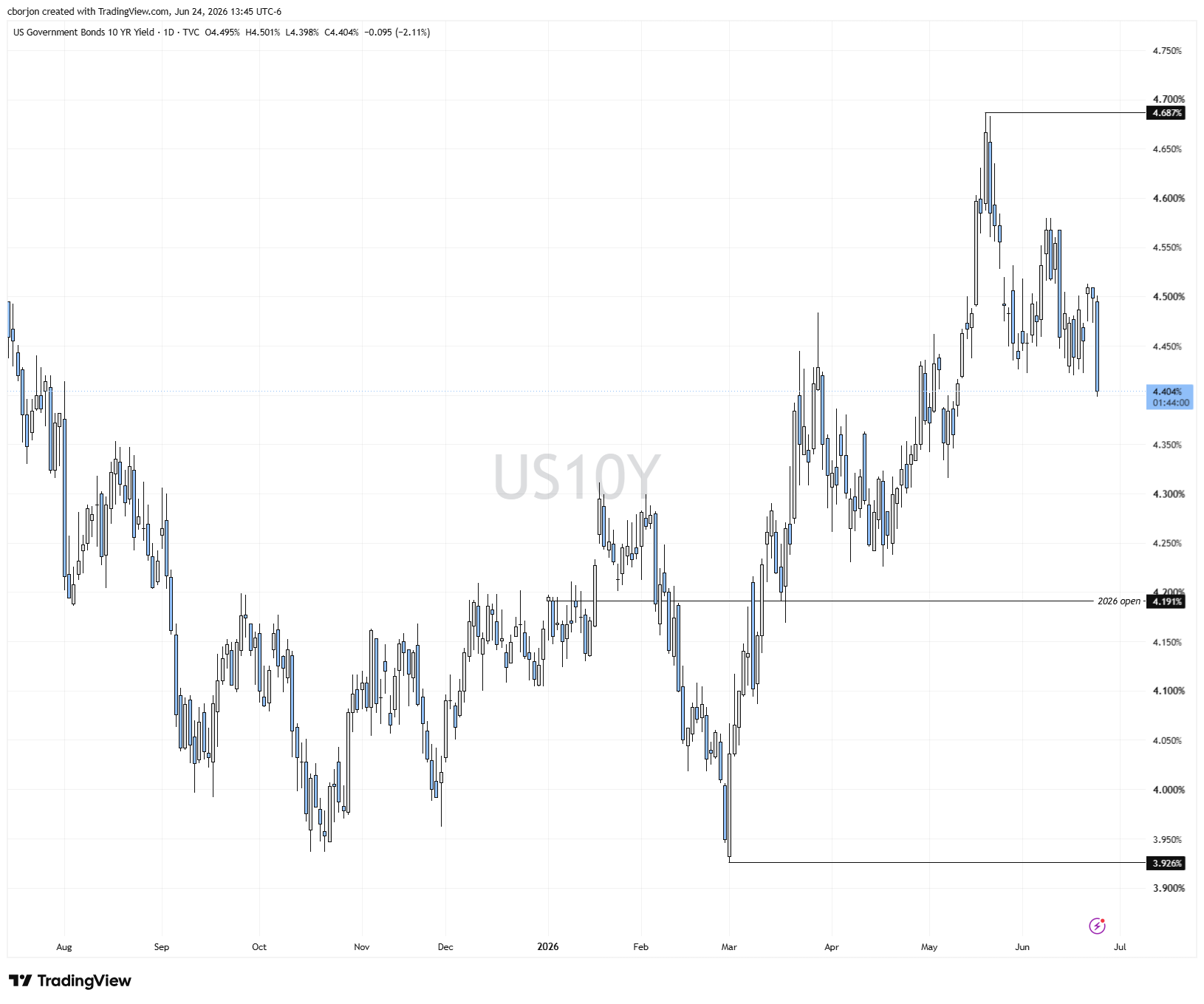
The US 10-year Treasury note yield is falling nearly 10 basis points, down 2% to 4.40% at the time of writing. Western Texas Intermediate (WTI), the US crude Oil benchmark, loses 4% to trade around $70.00 per barrel a day.
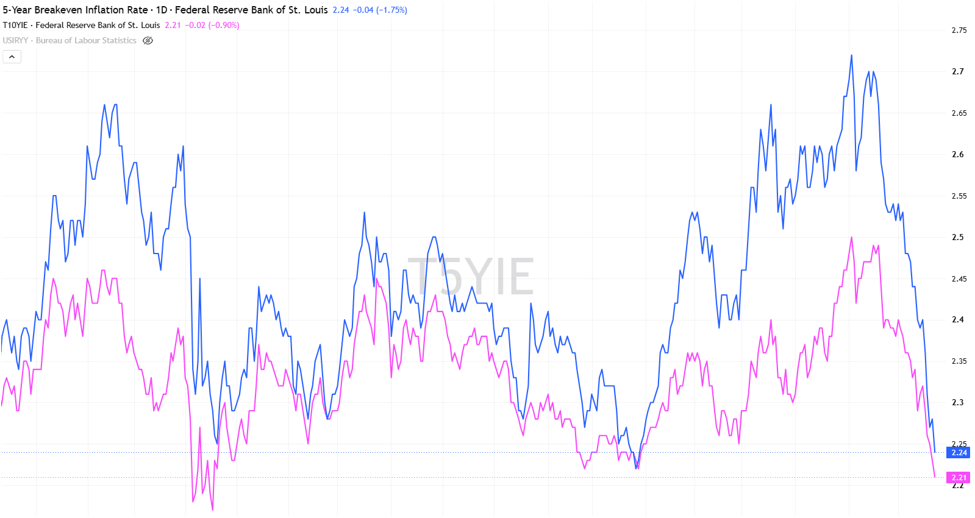
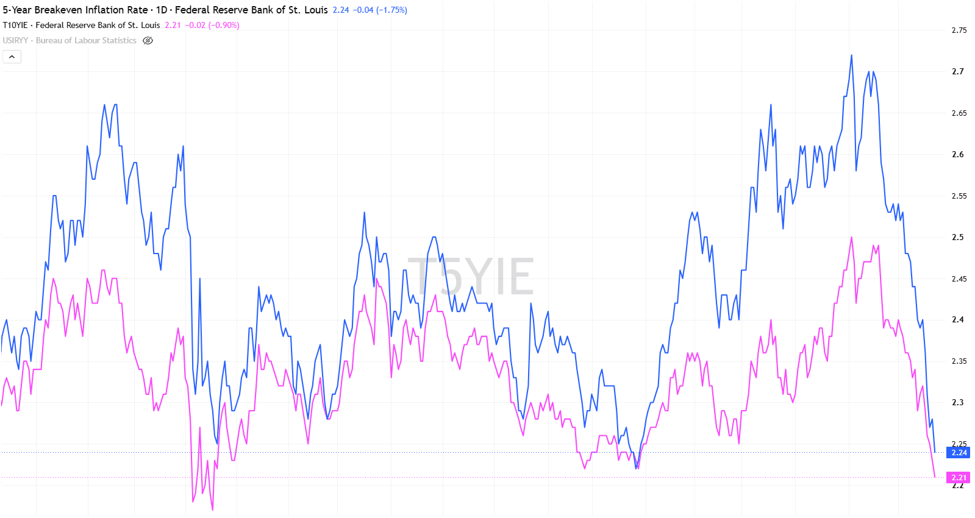
The 5- and 10-year breakeven rates, a market-based measure of inflation expectations, are at 2.24% and 2.21%, respectively, after peaking in mid-April at 2.72% and 2.5%, respectively.
Easing Oil prices and fears of a potential supply disruption weighed on US yields, which skyrocketed last week, with the Federal Reserve’s hawkish tilt, which increased the chances of seeing higher interest rates towards the end of the year.
For the upcoming July 29 meeting, the Fed is expected to keep rates unchanged, with odds at 60%. However, there’s a modest 40% chance that policymakers will increase the Fed funds rate, based on incoming data.
The US economic calendar will be busy, with traders focusing on the Fed’s preferred inflation measure, the Core PCE Price Index, GDP figures for Q1 2026, Durable Goods Orders, and jobless claims.
US 10-year Treasury yield chart
About The Author