(Bloomberg) – Venezuelan bonds have jumped since the Trump administration moved to take control of a huge swath of the country’s oil reserves, as investors factor in the prospect of higher crude production ahead of a debt restructuring that could top $200 billion.
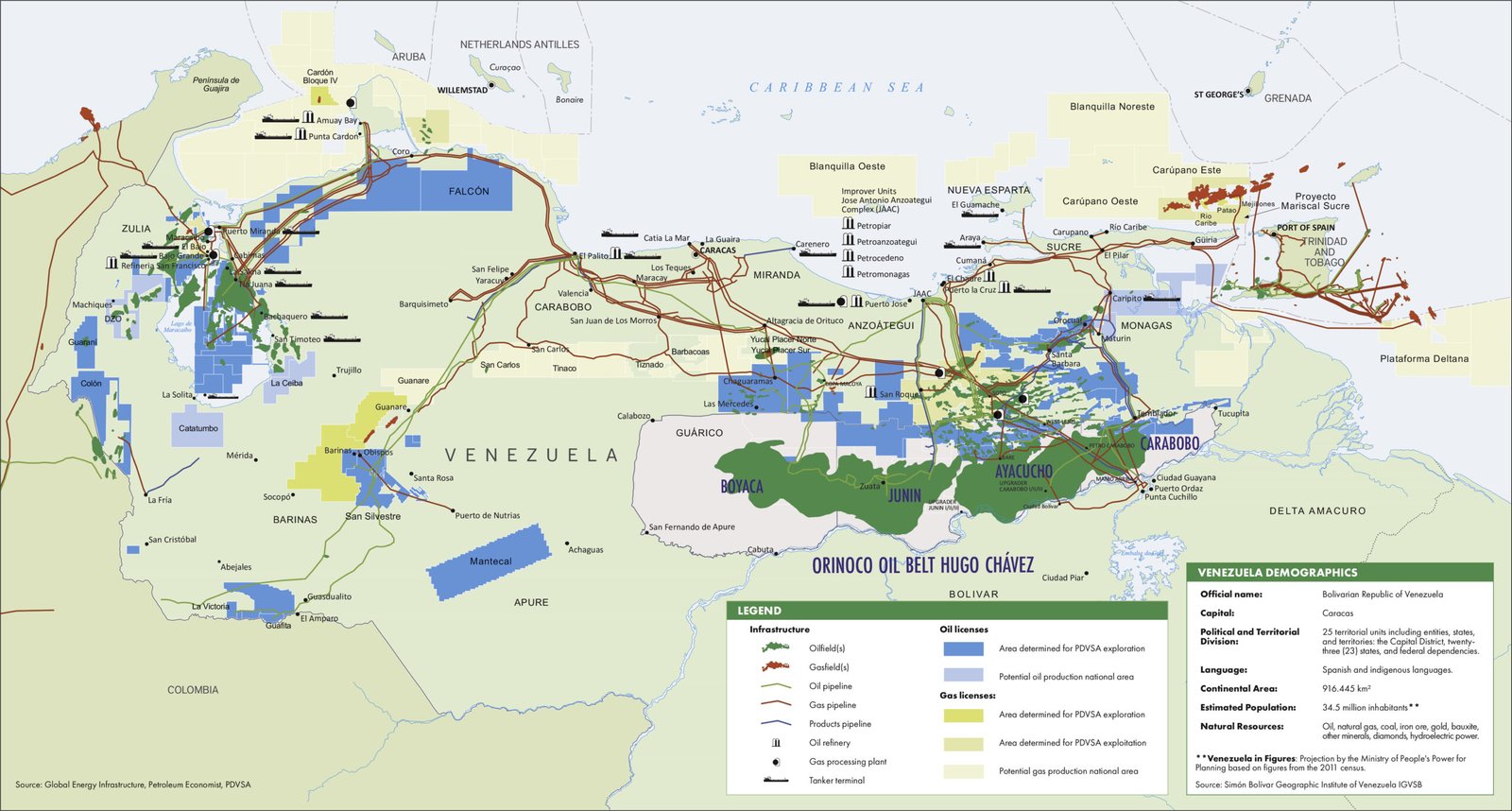
The plan, which gives the U.S. control of more than 65 Bbbl of proven reserves, has pushed prices for defaulted government and state oil company bonds to near a four-month high. Sovereign notes due in 2027 reached 54 cents on the dollar, according to data compiled by Bloomberg.
While details remain scarce, the agreement could help drive a significant increase in production and put Venezuela’s goal of 1.5 million bpd within reach.
That prospective increase in oil revenue is already making the debt more attractive to some investors.
“We like what we’re seeing,” said Damien Buchet, chief investment officer at Principal Finisterre. The oil deal “leads to a higher probability of U.S. dollar inflows, which can then be used to secure debt service in the future.”
The debt restructuring is closely tied to Venezuela’s oil production, which generates the bulk of the country’s foreign-currency revenue. Investors have been modeling future production to estimate potential recovery values as they await a clearer picture of how much debt the economy can support.
“The signal from the U.S. and Venezuela oil deal is more important than the deal specifics at this point, which do need more clarity,” Morgan Stanley strategist Simon Waever wrote in a note. “For now we think this announcement reinforces our already optimistic production path.”
Jefferies Financial Group estimates Venezuelan production could potentially reach 2 MMbpd within five years if the agreement holds and President Donald Trump’s call for $100 billion of oil investment comes to fruition.
Private-sector investment plans are beginning to emerge. On Wednesday, Chevron said it plans to invest more than $7 billion over the next five years through its Venezuelan joint ventures, targeting more than double production to approximately 600,000 bpd compared with 2026. Eni is also planning a significant increase in Venezuelan oil production.
Still, gains in Venezuelan bonds have been limited as creditors await a government debt report and accompanying macroeconomic analysis.
VanEck’s David Austerweil expects the restructuring could become the largest sovereign debt rework on record, with total obligations reaching as much as $229 billion if commercial debt from state oil company PDVSA and local-currency obligations are included.
“For bondholders, a recovery of Venezuela’s oil sector is the primary economic concern,” Austerweil wrote. “It will be the only major source of the foreign currency needed to service the restructured bonds for many years.”
Jefferies’ Javier Kulesz said announcements of private-sector energy investment should help build confidence, although investors ultimately will want evidence that capital is actually being deployed.
“We remain constructive and expect further upside, but not wildly so given the many questions that still need to be answered,” Kulesz said.
About The Author