(WO) – Venezuela’s energy sector is entering a period of significant commercial change, with a reworked hydrocarbons framework beginning to translate into new agreements with international energy companies.
Venezuela is moving from regulatory reform toward implementation. In January 2026, the country enacted a reform of its Organic Hydrocarbons Law, introducing new contractual mechanisms for primary hydrocarbon activities and establishing a framework intended to give private operators greater responsibility for project development. The reform also incorporated Production Participation Contracts (PPCs), creating a structure under which private companies can assume operational and financial responsibility for projects.
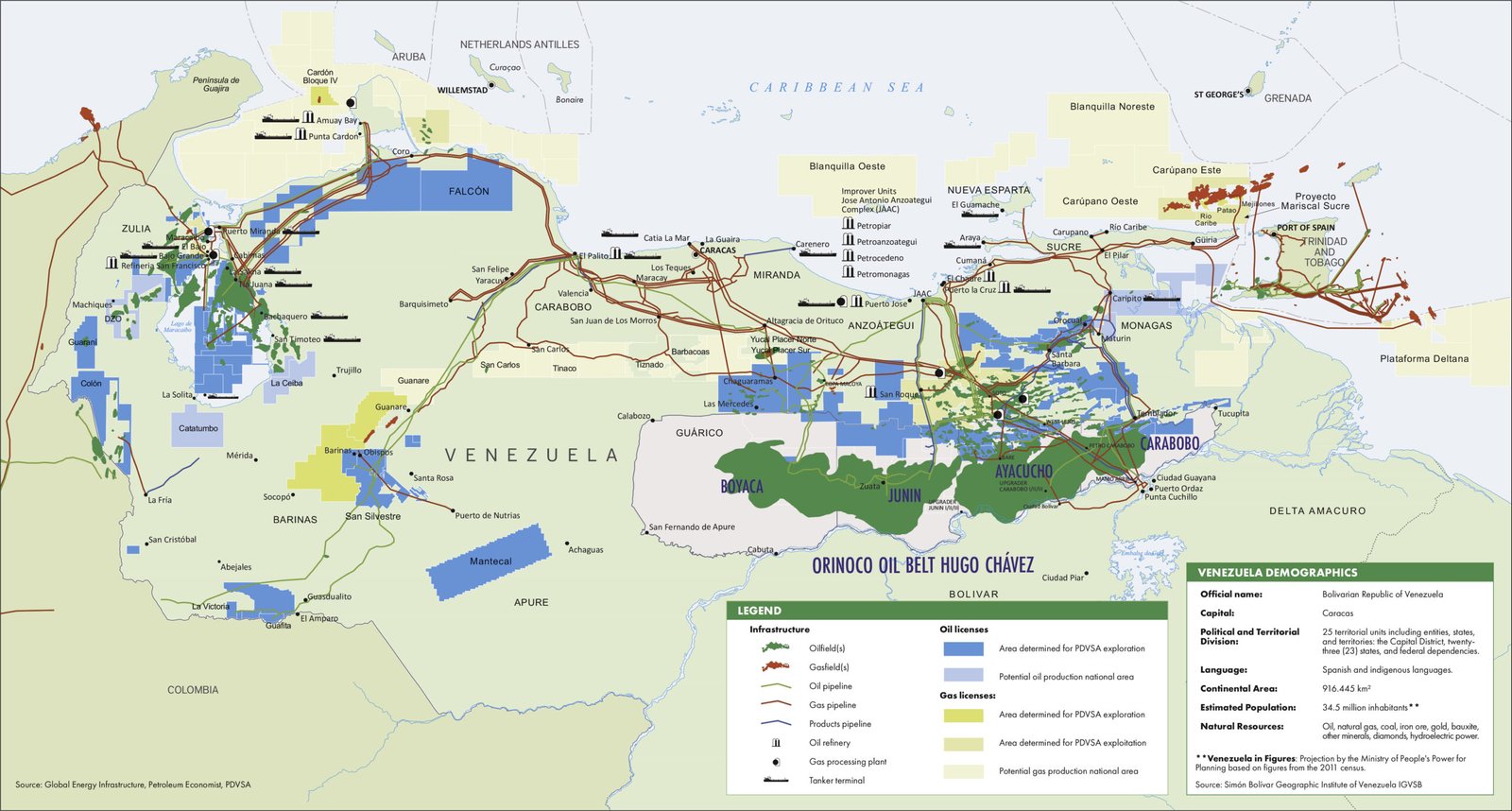
Recent transactions show how quickly that framework is being put into practice. In September, Eni signed a 25-year Hydrocarbon PPC with PDVSA for the development of the giant Junín 5 field in the Orinoco Belt, becoming the project’s exclusive operator with responsibility for its technical, financial and commercial management.
GeoPark has likewise entered Venezuela through a 25-year PPC covering the Bare Block. The agreement, announced in September, is valued at approximately $1.2 billion and involves an asset with more than 15.7 Bbbl of oil originally in place and more than 1,100 existing wells.
Chevron has also expanded its position. On September 2, the company announced updated terms for its Venezuelan joint ventures, including additional acreage in the Orinoco Belt and plans to invest more than $7 billion over five years. Chevron said the investment program is expected to more than double production from its Venezuelan operations to approximately 600,000 bpd compared with 2026 levels.
The country’s broader investment opportunity is substantial: Venezuela holds more than 300 Bbbl of proven oil reserves and more than 195 Tcf of natural gas, while the rehabilitation of its energy sector is expected to require substantial investment in production, infrastructure and refining.
For African energy producers, the country’s experience offers areas of potential cooperation around mature-field rehabilitation, infrastructure development, technology transfer, workforce development and investment frameworks for resource monetization. The African Energy Chamber (AEC) has already engaged with Venezuelan institutions on investment promotion, technical knowledge transfer and cooperation across the energy value chain.
“Venezuela is demonstrating that regulatory reform has to be matched by real investment, real projects and opportunities for companies to participate across the energy value chain,” said NJ Ayuk, AEC Executive Chairman.
About The Author