Key points
- A Yen carry unwind can become a broader liquidity shock. Crowded and leveraged positions may be sold quickly as investors repay yen funding.
- Key equity vulnerabilities include AI semiconductors and memory, expensive software, Japanese exporters, leveraged small caps and rate-sensitive REITs. Strong fundamentals may not prevent initial forced selling.
- Currency exposure also matters. If yen strength develops into broader US-dollar weakness, non-US based investors could see reduced returns from US holdings—even when the underlying shares rise.
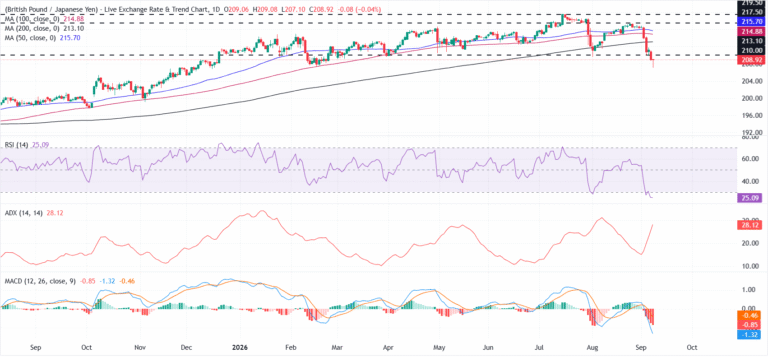
The Japanese yen’s rally matters far beyond the currency market. For years, investors have borrowed cheaply in yen and invested the proceeds in higher-yielding currencies and risk assets. When the yen rises sharply, those trades become less profitable—and potentially loss-making—forcing investors to reduce positions and repay their yen funding.
This does not mean every yen rally will cause a global sell-off. The current interest-rate gap still makes carry attractive: the US policy rate is 3.50–3.75%, compared with around 1% in Japan. But the direction is becoming less favourable as the Bank of Japan normalises policy and investors consider the possibility of further rate increases.
For equity investors, the key risk is forced deleveraging. Funds facing losses or higher margin requirements may sell their most liquid and profitable holdings first, regardless of whether the companies’ fundamentals have changed.
Here are five areas that may be vulnerable.
1. AI semiconductors and memory
Semiconductors combine strong fundamentals with high expectations and crowded ownership, making them an obvious source of liquidity during forced selling.
Potentially exposed names include Nvidia, Broadcom, AMD and TSMC, alongside memory producers such as Micron, SK Hynix and Samsung Electronics.
Memory stocks may be especially volatile because they combine structural AI demand with a historically cyclical industry. If HBM orders, memory prices and hyperscaler spending remain firm, weakness may be a positioning reset. Falling prices, rising inventories or capex cuts would be a more fundamental warning.
2. Expensive software and momentum stocks
Highly valued growth companies are sensitive to rising volatility and changing discount rates. Examples include Palantir, Snowflake and other fast-growing software or AI-application companies.
The greatest risk sits with businesses combining high valuations with weak free cash flow or repeated financing needs. Cash-rich technology leaders can also fall because they are liquid and heavily owned, but should be better placed to recover.
3. Japanese exporters
A stronger yen reduces the value of overseas earnings when converted back into yen and can weaken Japanese export competitiveness.
Automakers such as Toyota and Honda, electronics companies such as Sony, and semiconductor-equipment names such as Tokyo Electron and Advantest may be sensitive.
Currency hedging and overseas production can soften the impact, but sustained yen appreciation could still lead to earnings downgrades. Domestic Japanese businesses and importers may be relatively better placed.
4. Small caps and leveraged cyclicals
Smaller companies generally have weaker balance sheets, greater refinancing needs and thinner liquidity. That leaves indices such as the Russell 2000 vulnerable if a carry unwind tightens global financial conditions.
Areas to watch include smaller regional banks, leveraged retailers, airlines and lower-quality industrial companies. Investors should distinguish fundamentally sound businesses from those facing significant near-term debt maturities.
5. REITs and rate-sensitive equities
REITs, infrastructure companies and utilities could also face pressure. Examples include Equinix, Prologis and American Tower, although their individual debt profiles differ.
Risk aversion would normally lower government-bond yields and support these sectors. But Japanese institutions could repatriate money from overseas bonds as Japanese yields become more attractive. If that keeps global long-term yields elevated, property valuations and refinancing costs could come under pressure.
A weaker Dollar adds another layer
A yen rally does not automatically mean broad US-dollar weakness—the dollar could fall against the yen while rising against riskier currencies. But if the move develops into a wider decline in the dollar, non-US investors should review all their US exposure, not only technology holdings.
For a Europe-based investor, returns from US equities reflect both the share-price move and EUR/USD. A US stock can rise in dollar terms but produce a much smaller EUR return if the dollar weakens.
For example, a 10% equity gain combined with a 5% fall in the dollar would translate into a return of roughly 4.5% in EUR terms. A weaker dollar could support the overseas earnings of US multinationals, but that corporate benefit does not remove the currency risk for foreign shareholders.
This does not necessarily mean hedging all US exposure. Currency movements can also provide diversification, while hedging adds costs. But investors may want to check whether their portfolios contain an unintended double concentration in both US equities and the US dollar.
What investors should watch
A falling USD/JPY rate alone does not confirm a broad carry unwind. The stronger warning would be yen appreciation accompanied by:
- Rising equity and currency volatility.
- Falling AUD/JPY and other carry crosses.
- Weak semiconductor market breadth.
- Wider credit spreads.
- Foreign outflows from Asian markets.
- Broad dollar weakness, including against your base currency.
- Rising long-term yields despite falling equities.
The August 2024 episode showed how quickly pressure can spread: the TOPIX fell 12% in one session and the S&P 500 lost 3%. Yet markets recovered rapidly once forced selling eased, showing that a liquidity shock does not automatically become a fundamental downturn.
For investors, a yen carry unwind is not necessarily a signal to exit equities. It is a prompt to reassess leverage, concentration and currency exposure. The greatest vulnerability lies where high valuations, crowded ownership, leverage and weak liquidity meet.
About The Author