
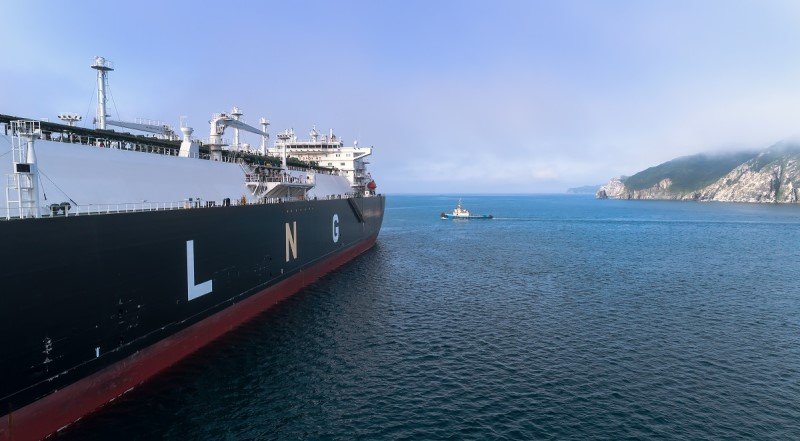
(WO) — YPF, Eni and XRG have submitted their $51 billion Argentina LNG project for approval under Argentina’s Large Investment Incentive Regime (RIGI), advancing plans to develop Vaca Muerta natural gas for large-scale LNG exports.
The integrated project would span upstream gas production in Neuquén, dedicated pipelines, gas processing and liquids fractionation facilities, and two floating LNG (FLNG) units offshore Río Negro in the Gulf of San Matías. The two FLNG units would have combined liquefaction capacity of 12 million tonnes per annum (MMtpa).
Argentina LNG said the $51 billion represents planned expenditures over the life of the project, making it the largest private investment proposed in Argentina and the largest project submitted under the RIGI framework to date.
Approximately $29 billion is expected to be invested by 2031, when the two FLNG units are targeted to begin operations. Of that amount, about $24 billion would fund infrastructure including pipelines, industrial facilities, port infrastructure and the FLNG units.
Another $5 billion is expected to go toward upstream development and drilling the wells needed to supply the liquefaction facilities with Vaca Muerta gas.
“Joining the RIGI framework is a fundamental step toward advancing a project that will open a new chapter for Argentina as a global energy exporter,” YPF Chairman and CEO Horacio Marín said. “We are talking about a growth platform that will generate jobs, technological development, opportunities for local suppliers, and an unprecedented level of international integration for our country.”
RIGI provides long-term legal, fiscal, customs and foreign-exchange provisions intended to support large-scale investments in Argentina. The partners said the framework will be important for attracting the international investment and financing required to develop the LNG project.
The construction phase is expected to be financed in part through international project financing backed by long-term LNG export agreements with investment-grade buyers.
Once operating, Argentina LNG is expected to generate approximately $10 billion annually in export revenue over two decades, according to the project partners.
Construction is planned between 2026 and 2030, with the project expected to support approximately 20,000 direct, indirect and induced jobs annually during that period and as many as 40,000 workers during peak activity. The developers also anticipate approximately $15 billion in procurement from Argentine suppliers over the project’s life.
The project forms part of Argentina’s broader effort to monetize the country’s large Vaca Muerta shale gas resources by establishing new access to international LNG markets.
About The Author
