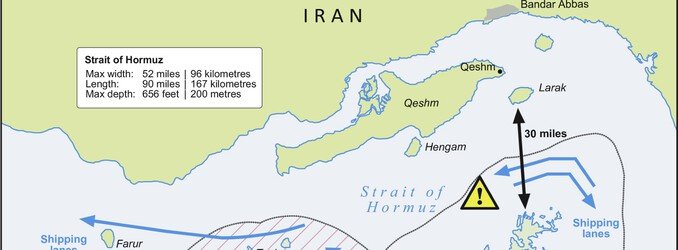
(Bloomberg) — Oil fell to settle near $100/bbl on signs Saudi Arabia is boosting exports via the Strait of Hormuz and fresh hopes for diplomatic progress in the Iran war.
Brent, the global benchmark, declined for a fourth session, settling 3.4% lower. The October West Texas Intermediate contract, which expires Tuesday, fell about 4.5%.
Satellite data showed Saudi Arabia’s observed oil loadings from inside the Persian Gulf jumped over the weekend, with the highest number of ships seen at the nation’s main Gulf port since June. The images indicate the kingdom is successfully redirecting exports back toward the Gulf following the shutdown of its East-West pipeline due to drone attacks.
Energy infrastructure has increasingly been caught in the crosshairs of regional conflicts. Ukraine has also been targeting Russian refineries, raising concerns over the time needed for repairs and a full return to normal operations.
Meanwhile, U.S. President Donald Trump told Fox News he would “probably” be open to meeting Iranian President Masoud Pezeshkian on the sidelines of the UN General Assembly in New York this week, adding to hopes for potential diplomatic progress.
Oil prices are up more than 65% this year, while diesel remains at the center of the global fuels crunch, reaching a fresh high above $6.50 a gallon at U.S. pumps. Diesel futures settled about 3% lower Monday.
Crude and liquefied natural gas flows through Hormuz have been increasing in recent weeks. Admiral Brad Cooper, head of U.S. Central Command, said volumes over the past two weeks were at a six-month high. Saudi oil moving through Hormuz averaged about 2.9 MMbpd over six days through Sept. 18, up from about 700,000 bpd in August, according to satellite data cited by JPMorgan.
“Focus has shifted to improving oil and LNG flows through Hormuz and the possibility of diplomatic progress on the sidelines of the UN General Assembly in New York,” said Arne Lohmann Rasmussen, chief analyst at A/S Global Risk Management. “The worst pressure on crude may be easing.”
Supply risks remain in the Middle East. Saudi Arabia issued air-raid alerts for Riyadh over the weekend, as well as warnings in Red Sea hubs including Yanbu, amid continued Houthi attacks.
Libya’s largest oil field also reduced output after a pipeline was shut by an “armed group,” according to the National Oil Corporation. The company warned that a prolonged closure could halt production, transportation and exports from the Sharara field.
About The Author